Black Spots on My Schismatoglottis 'Thailand' Leaves
Schismatoglottis 'Thailand'
By the Greg Editorial Team
Mar 19, 2024•4 min read
This article was created with the help of AI so we can cover more plants for you. May contain errors. See one? Report it here.
- Black spots mean trouble, hindering photosynthesis and plant growth.
- Overwatering and humidity are common culprits; adjust watering and airflow.
- Prevent with care: perfect watering, enhance ventilation, and monitor health.
Spotting the Trouble: Recognizing Black Spots
🕵️ What Do Black Spots Look Like?
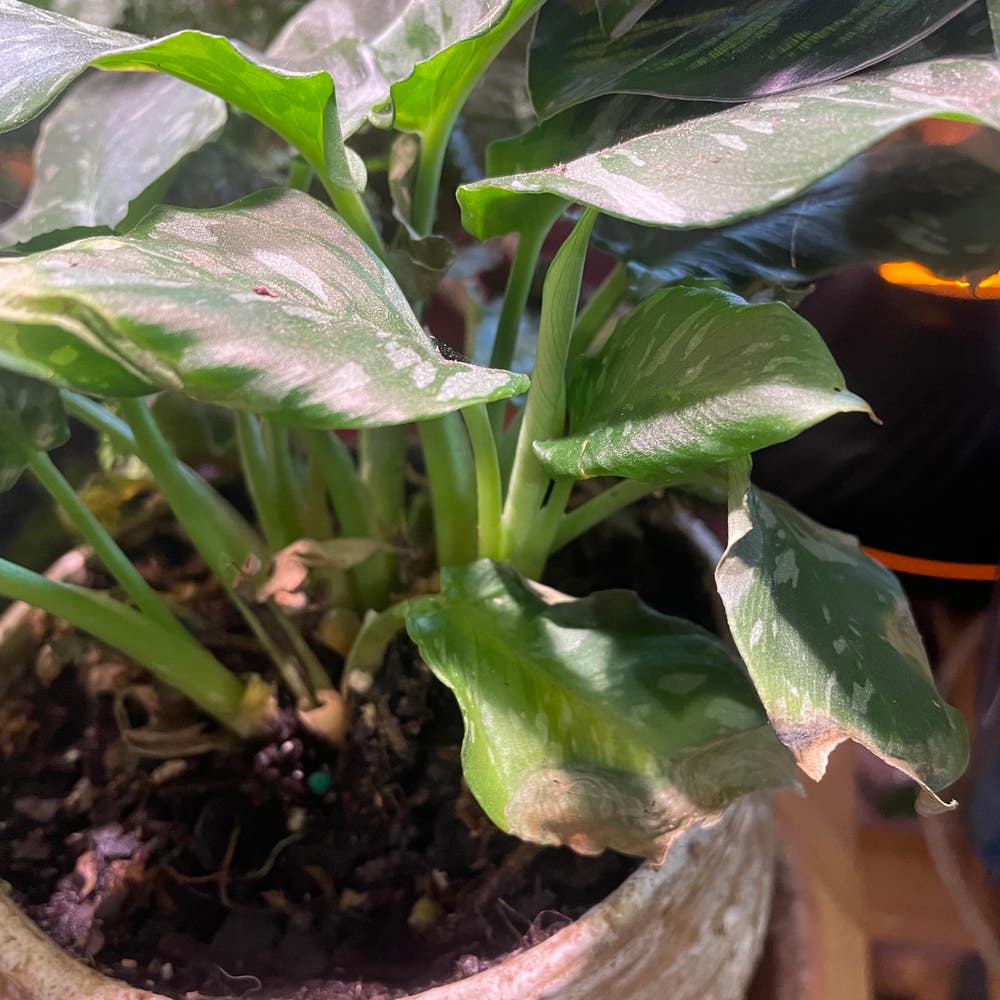
Black spots on Schismatoglottis 'Thailand' leaves are the plant's SOS. They can be tiny specks or large blotches, often with a distinct texture that's unlike the healthy leaf surface. These blemishes may appear raised or sunken, sometimes with a yellowish edge that indicates trouble. If you see spots that are expanding or changing, it's time to take action.
🚨 The Spread: How Black Spots Affect Plant Health
Unchecked, black spots can escalate into a full-blown health crisis for your plant. They hinder photosynthesis, which can stunt growth and vitality. Leaves may turn yellow and drop prematurely, a clear sign of an underlying issue. It's not just about looks; black spots can signal diseases or environmental stress, so catching them early is key to your plant's survival.
The Usual Suspects: Causes of Black Spots
💦 Too Much Love: The Overwatering Connection
Overwatering is a prime suspect in the case of black spots. It's the equivalent of giving your plant a love that smothers. Schismatoglottis 'Thailand' doesn't need a daily dip; it craves a drink when the soil feels dry. If the soil is more swamp than dry land, you're overdoing it. This excess moisture is a fungal playground, where pathogens like Anthracnose and Cercospora throw a black spot party on your plant's leaves.
💨 Stuffy Conditions: Humidity and Poor Airflow
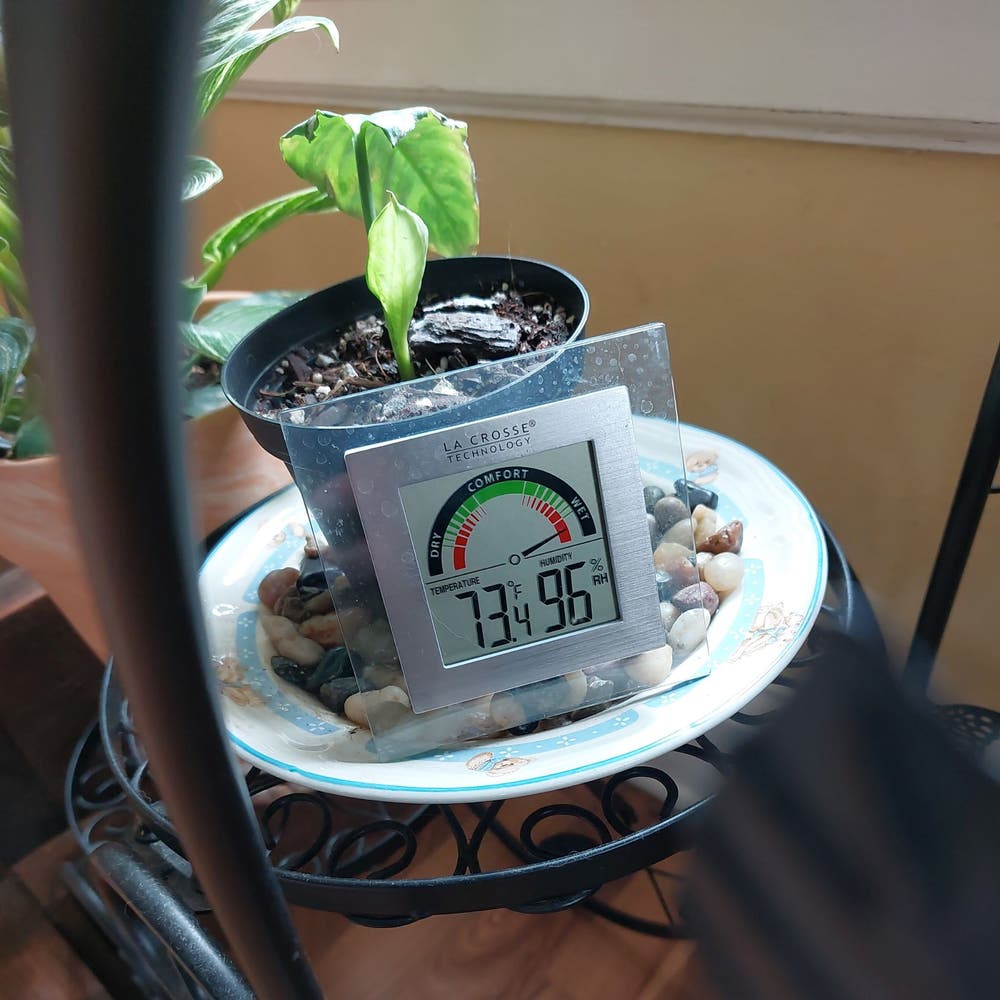
Humidity and airflow are like the plant's respiratory system. When the air is as still as a statue, bacteria find a cozy spot to settle. High humidity turns your plant's habitat into a bacterial sauna, and those black spots are the sweat beads. Keep the air moving; a fan or open window can work wonders. It's about setting up a no-fly zone for pathogens, not letting them get comfortable.
🩹 Accidental Ouchies: Physical Damage and Disease
Physical damage to leaves is like rolling out the red carpet for disease. A scrape here, a bruise there, and suddenly you've got an open-door policy for infections. Handle your Schismatoglottis 'Thailand' with the care of a bomb technician. Any damage can be an invitation for fungal or bacterial gatecrashers, leading to those dreaded black spots. Keep your plant safe from harm, and you'll keep it safe from spots.
Fixing the Spotty Situation: Treatment and Recovery
💧 Drying Out: Adjusting Water Habits
Check the soil before you water—two inches down should be dry. Adapt your watering with the seasons; less is more when it's cooler. Morning watering rituals allow leaves to dry out, dodging the dreaded black spots.
💨 Breathing Room: Enhancing Air Circulation
Airflow is your plant's invisible shield. Space out your green friends like they're socialites at a soiree. A fan or a spot in a well-ventilated area can prevent those pesky fungal gatecrashers from ruining the party.
🌿 Gentle Touch: Minimizing Physical Harm
Handle your Schismatoglottis with the care of a museum curator. Avoiding physical harm means no unnecessary leaf-touching. And when you do have to touch, be as gentle as a feather.
Keeping Spots at Bay: Prevention Tactics
💧 Water Wisdom: Perfecting Your Watering Technique
Check the soil's dryness before watering; it's the golden rule to avoid fungal parties. Aim for moist, not soggy—think of it as the plant's comfort zone. Overwatering is a no-go; it's like sending an open invitation to fungi. Water at the base to keep leaves dry, because wet foliage is a black spot's dream.
💨 Airflow Mastery: Ventilation as a Preventative Measure
Good air circulation is non-negotiable. Space out your plants or use fans to keep the air moving; it's like giving your plant its own personal bubble. Avoid stagnant air like it's social awkwardness at a party—it's just as unwelcome. Remember, dry leaves are happy leaves, so keep them away from overhead watering.
👩🔬 Vigilant Care: Regular Monitoring and Maintenance
Be a plant detective; regularly inspect your green friends for early signs of distress. Consistency is key—like checking in with a good friend, it's about making sure everything's alright. Clean up fallen debris promptly; it's the equivalent of not letting dishes pile up in the sink. And keep those gardening tools clean—think of it as hygiene for plant health.
⚠️ Safety First
This content is for general information and may contain errors, omissions, or outdated details. It is not medical, veterinary advice, or an endorsement of therapeutic claims.
Always consult a qualified healthcare professional before using any plant as food, medicine, or supplement.
Never eat any plant (or feed one to pets) without confirming its identity with at least two trusted sources.
If you suspect poisoning, call Poison Control (800) 222-1222, the Pet Poison Helpline (800) 213-6680, or your local emergency service immediately.
Spotted an error? Please report it here.
Turn your Schismatoglottis 'Thailand' into a spotless beauty 🌿 with Greg's help in monitoring and adjusting your watering and airflow for optimal plant health.