What Are The Bugs on My Schismatoglottis 'Thailand'?
Schismatoglottis 'Thailand'
By the Greg Editorial Team
Mar 19, 2024•3 min read
This article was created with the help of AI so we can cover more plants for you. May contain errors. See one? Report it here.
- 🕸️ Webbing and stippling signal spider mites; treat with humidity and neem oil.
- 🍯 Honeydew indicates sap-suckers like aphids or scale; immediate action needed.
- 🌱 Prevent pests with clean leaves, quarantine new plants, and optimal conditions.
Spotting Trouble: Signs of Pests on Your Schismatoglottis 'Thailand'
🕷️ Telltale Marks and What They Mean
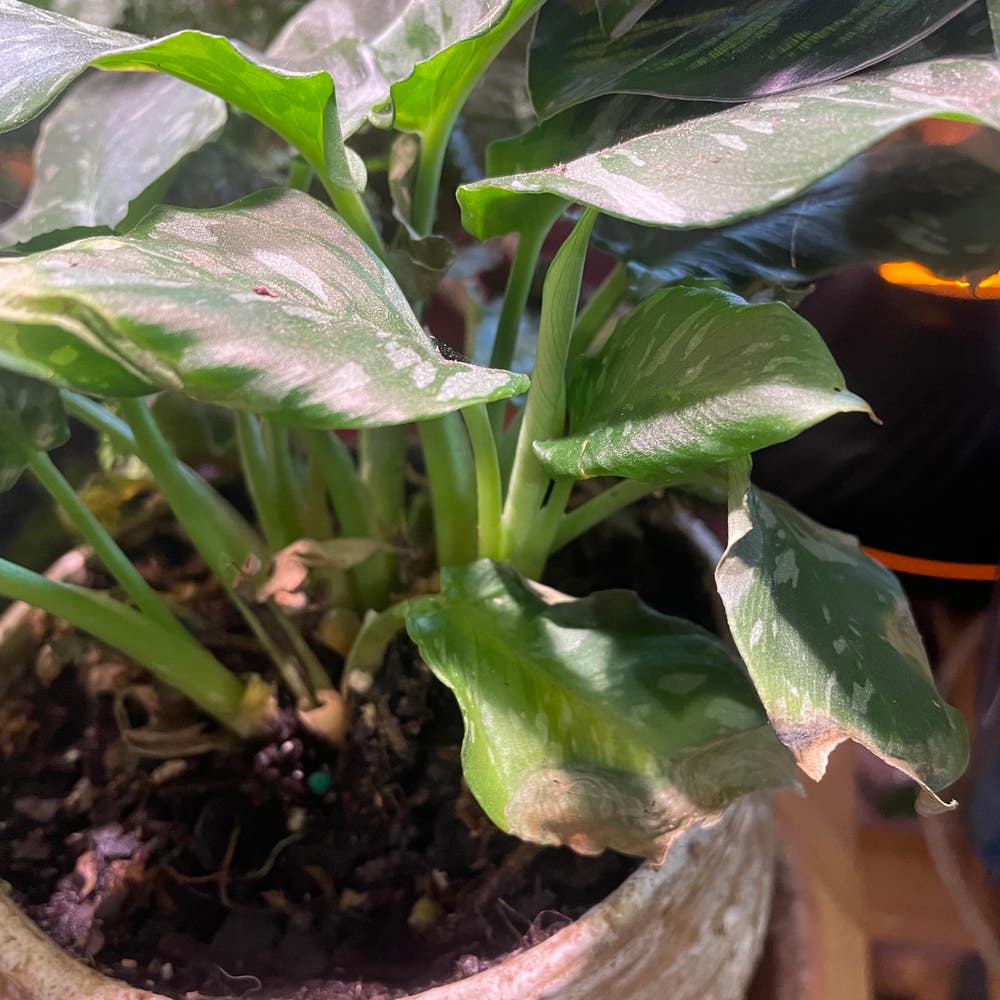
Webbing on your plant? Spider mites are likely the culprits, spinning their fine silk on leaves and stems. Stippling—those tiny yellow or white dots on foliage—signals they're feasting on your plant's sap. And if you find a sticky substance known as honeydew, you're dealing with sap-suckers like aphids or scale insects, which can lead to sooty mold or ant problems.
🚨 When to Be Alarmed
A few pests can be a nuisance, but a full-blown infestation is a red alert. If your Schismatoglottis 'Thailand' is draped in webbing, or its leaves are dotted with stippling like a pointillist painting, it's time to act. Severe discoloration, wilting, or distorted growth aren't just cosmetic issues—they're SOS signals from your plant. Don't wait for an engraved invitation; these pests won't RSVP.
The Usual Suspects: Common Pests and How to Deal with Them
🕷️ Spider Mites
Webbing on your Schismatoglottis 'Thailand'? You've got spider mites. These tiny critters wreak havoc, leaving a stippled look on leaves. Up the humidity to thwart their dry-loving ways. Neem oil and insecticidal soaps are your go-to for organic control, while miticides are the heavy artillery in severe cases.
🛡️ Scale Insects
Scale insects masquerade as harmless bumps, but they're sap-sucking freeloaders. Spot them as waxy or armored lumps on stems and leaves. Dabbing with alcohol can evict a few, but horticultural oils or systemic insecticides might be needed to clear out a full-on infestation.
🦟 Fungus Gnats and Fruit Flies
Seeing tiny fliers or larvae? Fungus gnats and fruit flies love moist soil. Cut back on watering and add a layer of sand to dry out the topsoil. Sticky traps catch adults, while a sprinkle of diatomaceous earth handles the wriggly larvae.
🐛 Mealybugs
Cotton-like clumps tucked in crevices spell mealybugs. These pests are like unwanted squatters in your plant's personal space. Isolate the infected plant, swab the bugs with alcohol, and consider insecticidal soap or neem oil for crowd control.
🦗 Thrips and Aphids
Thrips and aphids turn new growth into their personal juice bar. These invaders leave behind silvery speckles and twisted leaves. Blast them off with water or invite natural predators like ladybugs to the feast. For persistent problems, insecticidal soaps or neem oil can help protect your plant's vitality.
Pro Tips: Preventing Pests on Schismatoglottis 'Thailand'
🐜 Cleanliness is Key
Regular cleaning is not just about aesthetics; it's a frontline defense against pests. Wipe leaves with a damp cloth to remove dust, which can hamper photosynthesis and attract pests. Inspect your Schismatoglottis 'Thailand' during these cleanings for any signs of trouble.
🚧 Quarantine New Additions
New plants can be Trojan horses for pests. Isolate newbies for at least a week to ensure they're not harboring any unwanted guests. This quarantine period is crucial to prevent the spread of infestations to your existing plant collection.
🌿 Optimal Conditions for Plant Health
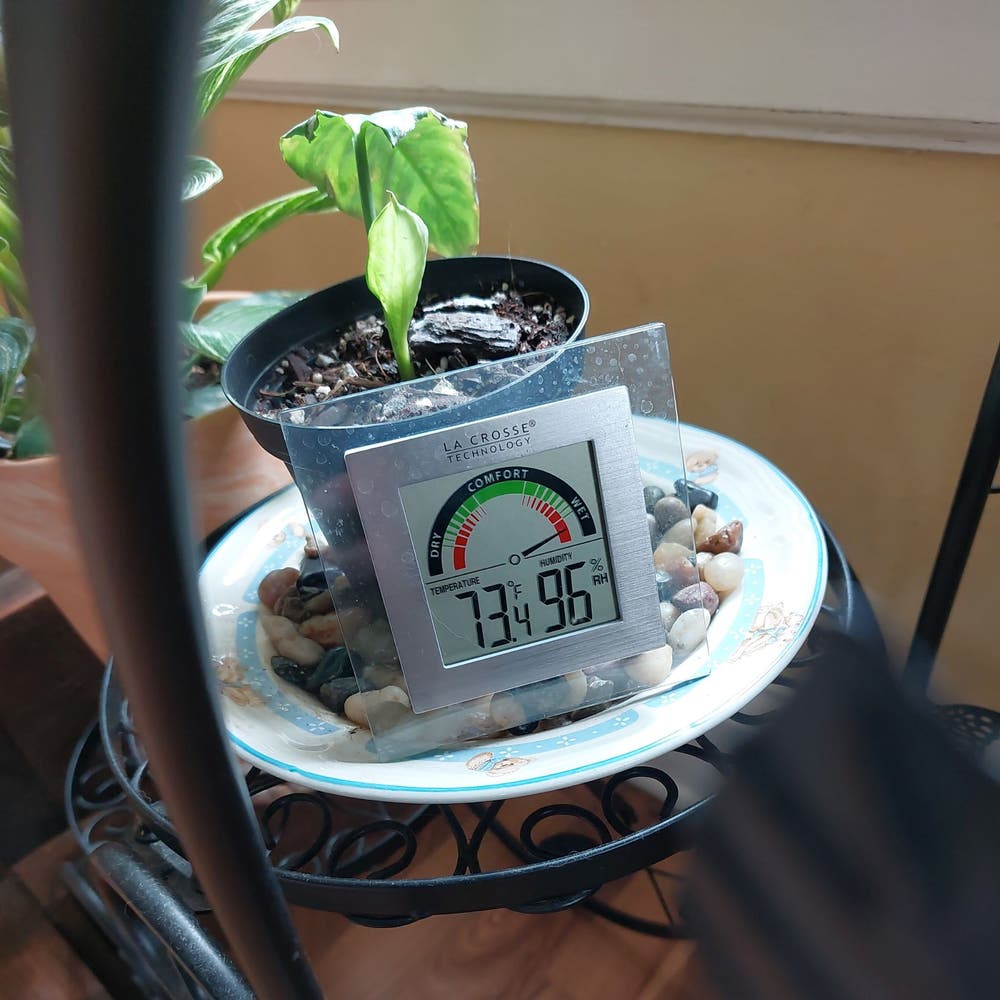
Creating an environment where pests don't want to settle is key. Adjust humidity to the plant's liking, which is typically between 60% to 80%. Ensure adequate drainage to prevent root rot—a stressed plant is a magnet for pests. Bright, indirect light and proper watering will keep your Schismatoglottis 'Thailand' robust and less susceptible to invasions.
⚠️ Safety First
This content is for general information and may contain errors, omissions, or outdated details. It is not medical, veterinary advice, or an endorsement of therapeutic claims.
Always consult a qualified healthcare professional before using any plant as food, medicine, or supplement.
Never eat any plant (or feed one to pets) without confirming its identity with at least two trusted sources.
If you suspect poisoning, call Poison Control (800) 222-1222, the Pet Poison Helpline (800) 213-6680, or your local emergency service immediately.
Spotted an error? Please report it here.
Eradicate those pesky pests from your Schismatoglottis 'Thailand' with precision 🎯 as Greg guides you through identification and treatment, ensuring your plant pals stay healthy and happy.