Why Are My Schismatoglottis 'Thailand' Leaves Dropping?
Schismatoglottis 'Thailand'
By the Greg Editorial Team
Mar 19, 2024•4 min read
This article was created with the help of AI so we can cover more plants for you. May contain errors. See one? Report it here.
- Over/underwatering, light issues, and temperature can cause Schismatoglottis leaves to drop.
- Bright, indirect light and 60-80% humidity are ideal for leaf retention.
- Fertilize every 4-6 weeks during growing season to prevent nutrient deficiencies.
Spotting the Signs: When Leaf Drop Spells Trouble
🚩 Recognizing Abnormal Leaf Drop
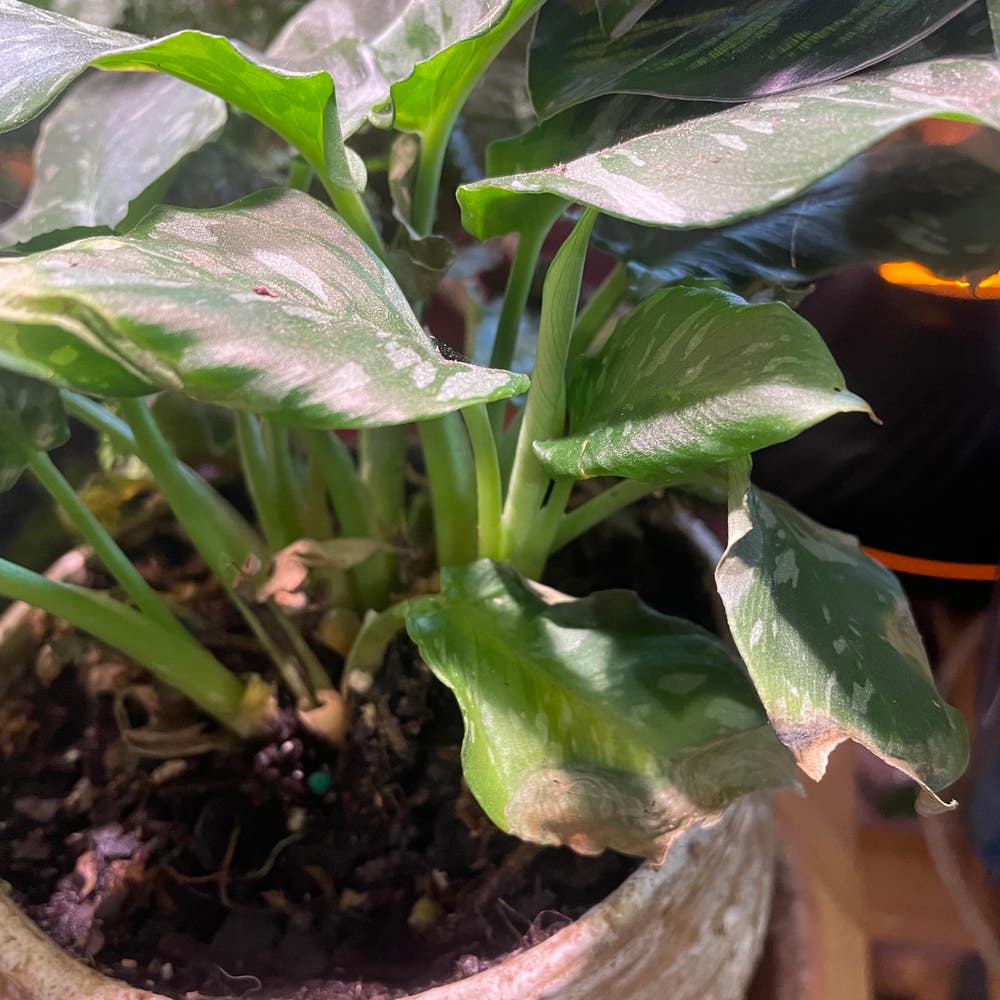
A sudden flurry of falling leaves is your Schismatoglottis 'Thailand' waving a red flag. Normal shedding is one thing; a leaf avalanche is a distress signal. Discoloration, wilting, or leaves that part ways with a gentle tug are cries for help.
The Usual Suspects: A Quick Checklist
Before you panic, run through this checklist of common causes for leaf drop:
- Overwatering: Is the soil soggy? Time to ease up on the H2O.
- Underwatering: Are the leaves dry and crispy? Your plant's parched.
- Lighting: Too much sun can scorch, too little can weaken. Find that sweet spot.
- Temperature: Extremes can shock your plant into shedding.
- Humidity: Too low can lead to a leaf-drop spree.
- Nutrients: A balanced diet is key; both starvation and overfeeding can cause trouble.
- Pests and Diseases: These unwelcome guests can trigger a leaf exodus.
Keep an eye out for these signs and adjust your care routine accordingly to keep your Schismatoglottis 'Thailand' from becoming a leafless wonder.
Water Woes: Striking the Right Balance
🌊 The Perils of Overwatering
Overwatering is the silent killer of Schismatoglottis 'Thailand'. Yellow leaves and a general look of despair are your first clues. Roots suffocate and rot when they're drowning in water, leading to the dreaded leaf drop.
🏜️ The Risks of Underwatering
Conversely, underwatering turns your plant into a crispy critter. Leaves wilt and soil turns to dust. It's a plant's way of throwing in the towel, signaling a serious SOS for hydration.
💧 Fine-Tuning Your Watering Routine
To hit the hydration sweet spot, water when the top inch of soil feels like a dry martini—just right. Adjust for the seasons; think of it as your plant's personal climate control. Remember, the goal is moist soil, not a swamp or a dust bowl.
Let There Be Light: But Not Too Much!
🌞 Finding the Sweet Spot for Sunlight
Schismatoglottis 'Thailand' is a bit of a Goldilocks when it comes to light—it craves that just-right amount. Bright, indirect light is the key to keeping your plant's leaves from taking a nosedive. Place it near a window where the sun's rays are softened by a sheer curtain or a bit of a distance from the glass to avoid the harsh direct sunlight that can lead to a scorched, leafless plant.
🌑 The Dark Side of Too Much Shade
On the flip side, too little light can spell trouble. Your Schismatoglottis 'Thailand' might start to look like it's stretching out for a light source, a clear sign it's not getting enough. Leaves can lose their luster and the plant's overall health can decline. If your space doesn't get much natural light, consider a grow light. These artificial suns can be a lifeline, but keep them at a safe distance to prevent your plant from getting a light burn.
Climate Control: Keeping Things Comfy
🌡️ Temperature Tantrums
Schismatoglottis 'Thailand' plants are not fans of the weather roller coaster. Stable temperatures between 65-80°F (18-27°C) are ideal to prevent leaves from dropping like flies. Too cold, and the leaves might as well wave white flags; too hot, and they'll crisp up faster than bacon in a pan. Keep your plant away from drafts and heaters to avoid giving it a temperature-induced heart attack.
💦 Humidity Harmony
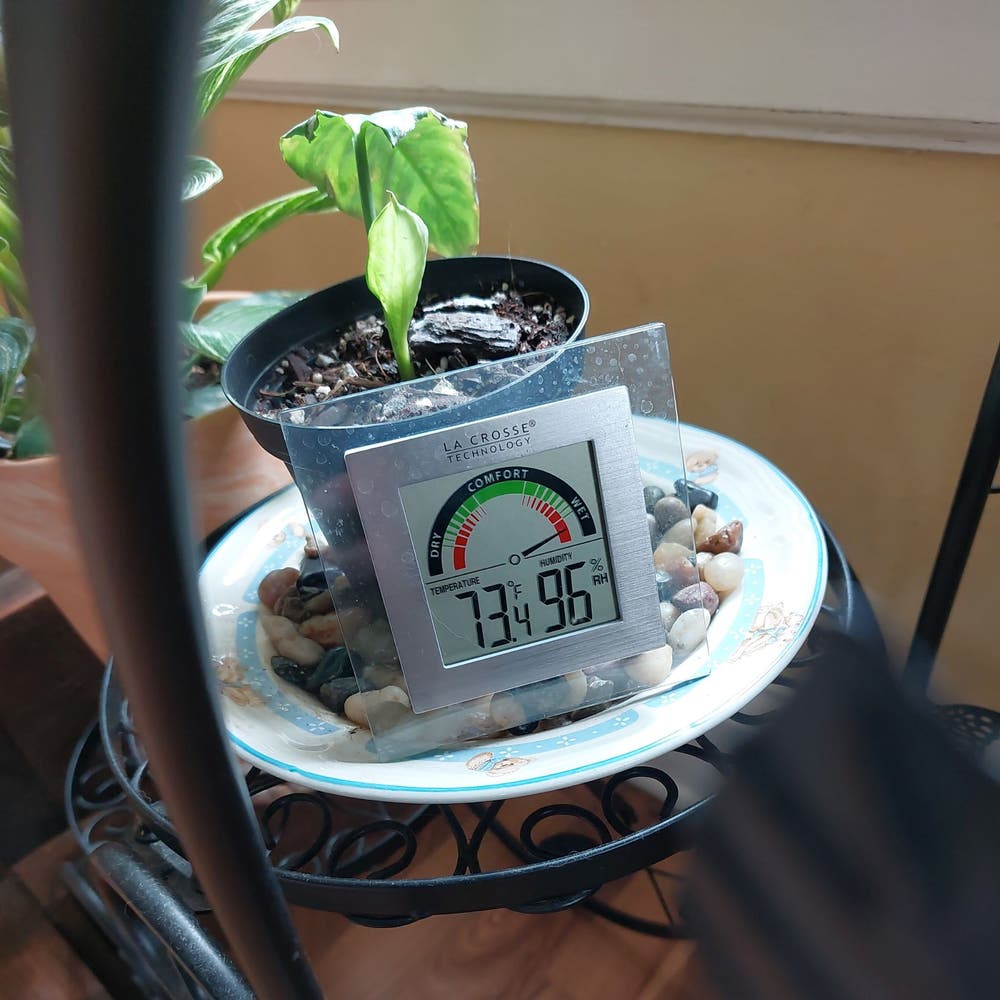
Humidity is like the plant's personal spa—get it right, and your Schismatoglottis 'Thailand' will stay hydrated and happy. Aim for a humidity level of 60-80%. Too low, and the leaves will start to look more brittle than a dried-up riverbed; too high, and you're basically throwing a pool party for fungi. Use a humidifier or a pebble tray to keep the air around your plant as cozy as a fuzzy blanket on a rainy day.
Feeding Finesse: Nutrients for Leaf Longevity
💡 Spotting Nutrient Starvation
Yellowing leaves often scream nitrogen deficiency, while a lack of flowers hints at too much nitrogen and not enough phosphorus and potassium. If your Schismatoglottis 'Thailand' is all leaves and no blooms, it's time to reassess its diet. Look for droopy leaves as a sign of potassium deficiency. It's like your plant is waving a white flag, begging for a balanced meal.
💡 Crafting the Perfect Diet
A balanced fertilizer is your green thumb's best friend. Apply a water-soluble mix rich in N-P-K every 4-6 weeks during the growing season. But remember, moderation is key—overfeeding can lead to nutrient burn. It's not about dumping a truckload of nutrients; it's about precision. After feeding, watch for brighter green leaves and new growth as signs of contentment. In winter, when growth slows, cut back on the fertilizer. It's like avoiding a heavy dinner before sleep—your plant doesn't need the extra energy.
⚠️ Safety First
This content is for general information and may contain errors, omissions, or outdated details. It is not medical, veterinary advice, or an endorsement of therapeutic claims.
Always consult a qualified healthcare professional before using any plant as food, medicine, or supplement.
Never eat any plant (or feed one to pets) without confirming its identity with at least two trusted sources.
If you suspect poisoning, call Poison Control (800) 222-1222, the Pet Poison Helpline (800) 213-6680, or your local emergency service immediately.
Spotted an error? Please report it here.
Prevent leaf drop and keep your Schismatoglottis 'Thailand' leafy and robust 🍃 with Greg's personalized care reminders for the perfect water, light, and nutrient balance.