What Temperature Does My Schismatoglottis 'Thailand' Need?
Schismatoglottis 'Thailand'
By the Greg Editorial Team
Mar 19, 2024•3 min read
This article was created with the help of AI so we can cover more plants for you. May contain errors. See one? Report it here.
- 65°F to 80°F (18°C to 27°C) is the ideal temperature range.
- Consistent temperatures prevent stress and promote health.
- Watch for wilting or yellowing as signs of temperature stress.
Hitting the Sweet Spot: Ideal Temperature Range for Schismatoglottis 'Thailand'
🌡️ What's the Magic Number?
To ensure your Schismatoglottis 'Thailand' thrives, aim for a temperature range between 65°F to 80°F (18°C to 27°C). This tropical plant revels in warmth similar to its native rainforest conditions. Straying outside this range? Expect your plant to protest.
🌡️ Keeping It Consistent
Stability is crucial. Like a finicky houseguest, Schismatoglottis 'Thailand' detests surprises in its climate. Use a thermometer to monitor the environment; employ heaters or fans to correct any deviations. Remember, a steady temperature equals a happy plant.
When Things Heat Up: Recognizing and Addressing Temperature Stress
🌡️ Telltale Signs of Discomfort
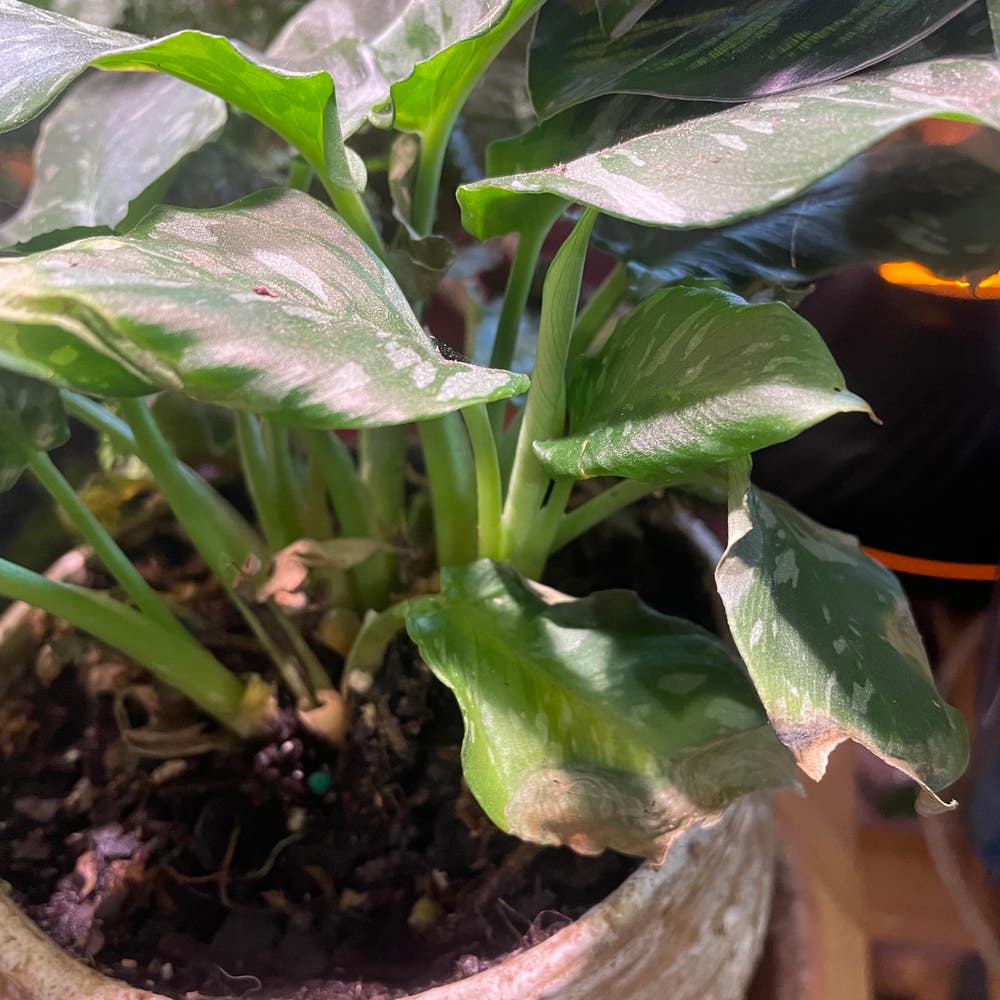
Wilting leaves on your Schismatoglottis 'Thailand' scream overheated. Slow growth or absent blooms? That's a cold shoulder from your plant. Yellow leaves may signal a heat wave, while brown spots whisper of a chill. When leaves drop prematurely, it's a clear SOS.
🌬️ Common Culprits
Drafts are the ninjas of temperature stress, attacking your plant with unseen gusts. Direct sunlight can turn your plant's space into a sauna, while proximity to air conditioners might as well be an ice bath. Consistency is key; your plant didn't sign up for a weather-themed rollercoaster.
🌡️ Turning Down the Heat (or Turning It Up)
Caught your plant in a thermal pickle? Hydrate and shade to cool down, or wrap and relocate to warm up. Avoid sudden temperature swings like last-minute plot twists. For a steady climate, technology is your ally—think thermostats and heaters, used wisely. Remember, a stable temperature is the secret handshake to plant health.
The Ripple Effect: Consequences of Ignoring Temperature Needs
🌡️ A Stunted Performance
- Temperature deviations can severely impact your Schismatoglottis 'Thailand'. Too cool or too warm, and you'll see a noticeable dip in growth and blooming vigor.
- The plant's bloom cycle gets disrupted, leading to fewer or no flowers. It's like expecting applause with no show; it just won't happen.
🚪 Opening the Door to Trouble
- Straying from the ideal temperature range invites a host of health issues. Think of it as leaving your plant's immune system compromised.
- Disease and pests find a weakened plant an easy target. It's a slippery slope from a few yellow leaves to a full-scale infestation.
A Quick Nod to Humidity
💦 Humidity's Supporting Role
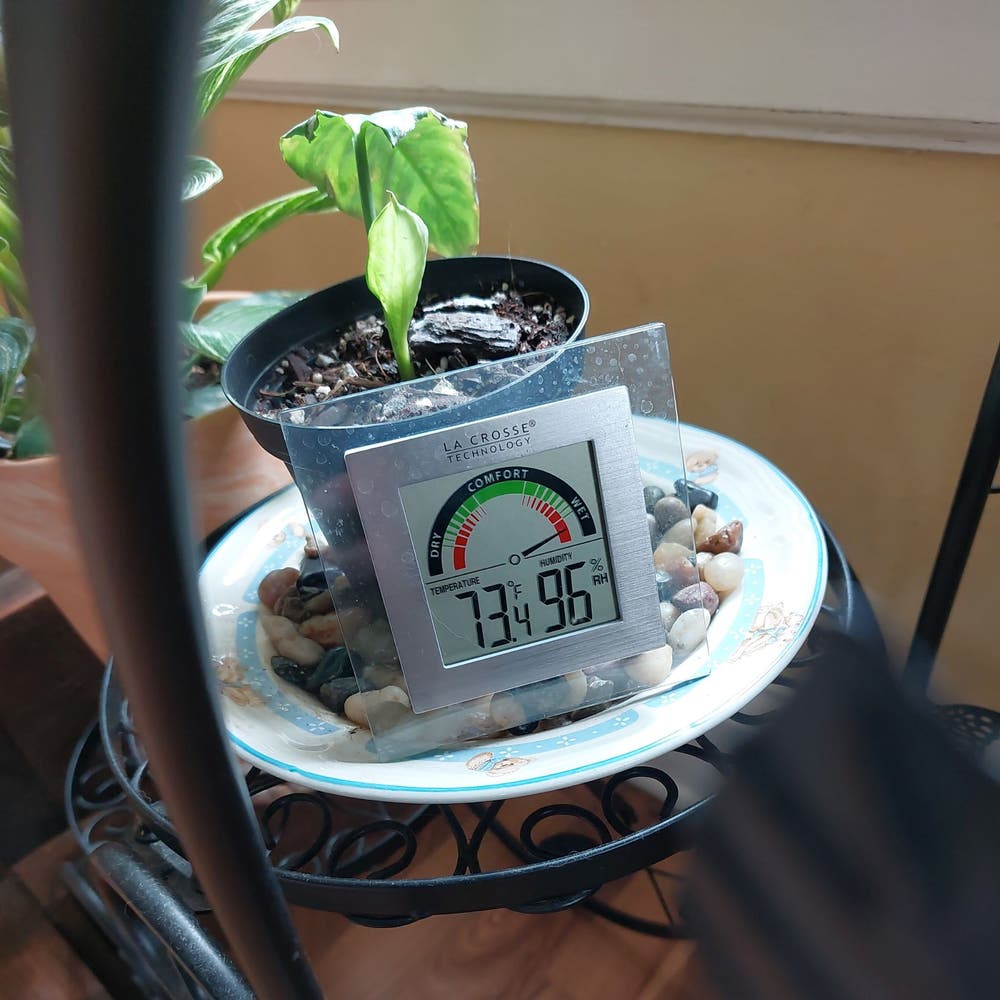
Humidity isn't the star of the show, but it's a critical understudy to temperature for your Schismatoglottis 'Thailand'. This plant revels in a 60% to 80% humidity range, mimicking its native tropical habitat.
🌿 Real-World Humidity Hacks
To hit that sweet spot, consider a humidifier or the classic pebble tray method. Grouping plants together can also boost the local humidity, creating a cozy microclimate.
🌡️ The Humidity-Temperature Tango
Remember, warm air can hold more moisture, so as temperatures climb, your Schismatoglottis 'Thailand' might appreciate a slight humidity boost. Conversely, dial it down when it's cooler to prevent a fungal free-for-all.
💨 Air Circulation: The Unsung Hero
While we're at it, let's not forget about airflow. It's the gatekeeper that helps prevent mold and keeps things fresh. So, keep it breezy for happy, healthy leaves.
⚠️ Safety First
This content is for general information and may contain errors, omissions, or outdated details. It is not medical, veterinary advice, or an endorsement of therapeutic claims.
Always consult a qualified healthcare professional before using any plant as food, medicine, or supplement.
Never eat any plant (or feed one to pets) without confirming its identity with at least two trusted sources.
If you suspect poisoning, call Poison Control (800) 222-1222, the Pet Poison Helpline (800) 213-6680, or your local emergency service immediately.
Spotted an error? Please report it here.
Keep your Schismatoglottis 'Thailand' thriving in its ideal climate by using Greg for custom reminders 🌡 to monitor temperature and humidity, ensuring your plant's health and happiness.