How Much Sunlight For Your Schismatoglottis 'Thailand'
Schismatoglottis 'Thailand'
By the Greg Editorial Team
Mar 19, 2024•3 min read
This article was created with the help of AI so we can cover more plants for you. May contain errors. See one? Report it here.
- Mix of sun and shade is key for Schismatoglottis 'Thailand' vitality.
- Protect during sun's peak and acclimate to outdoor light gradually.
- Bright, indirect light encourages flowering; consider grow lights if needed.
Sunlight Smarts for Outdoor Planting
🌞 Finding the Sweet Spot
Identifying the right location for your Schismatoglottis 'Thailand' is a bit of a balancing act. You want to find a place that offers a mix of sun and shade—think morning light with afternoon shelter. This spot should mimic the plant's natural habitat, providing gentle sunlight without the risk of leaf burn.
🛡️ Shielding from the Sun's Peak
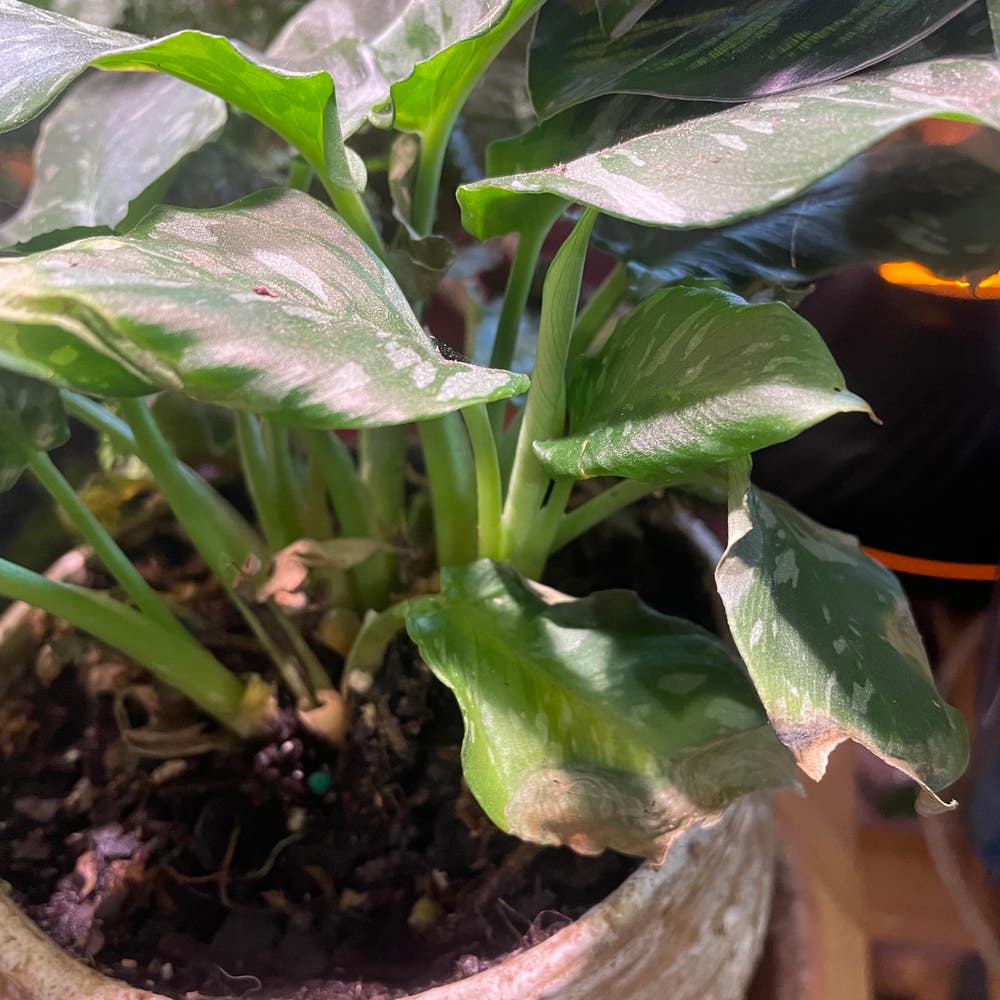
During the hottest part of the day, your Schismatoglottis 'Thailand' needs protection. Employ natural elements like trees or artificial structures like pergolas to create a sun shield. Be ready to move your plant if it starts showing signs of distress, like crispy leaves or faded color.
🌅 Transitioning to the Outdoors
When moving your Schismatoglottis 'Thailand' outside, think slow and steady. Begin with a shady spot and gradually introduce more light over a week or two. This gradual acclimation helps prevent shock, allowing your plant to adjust to the outdoor intensity without a meltdown.
Indoor Light Mastery
💡 Choosing the Best Window for Your Plant
Deciphering the light levels of various window directions is key to your Schismatoglottis 'Thailand's happiness. South-facing windows are the gold standard in the Northern Hemisphere, dishing out bright direct light. East-facing ones offer bright but gentler indirect light, perfect for a morning sunbath. West gives you an afternoon glow, while north-facing windows are the chill zone with low light. Remember, size matters—a bigger window equals more sun fun.
When Natural Light Isn't Enough
Is your Schismatoglottis 'Thailand' stretching out like it's trying to escape? Or perhaps its leaves have lost their mojo? These are SOS signals for more light. Before you start playing musical chairs with your plant, consider that your window may just not cut it. It's not personal; it's just shady business.
💡 Grow Lights: A Bright Idea?
Grow lights can be a game-changer, especially when your windows are underperforming. Full-spectrum lights are like a sun-on-demand for your leafy friend, ensuring it gets all the rays it needs without a sunburn. Use them wisely—like a good binge-watch, everything in moderation. Too much artificial sun can turn your plant into a crispy critter.
Flower Power and Light
💡 Does Light Affect Blooming?
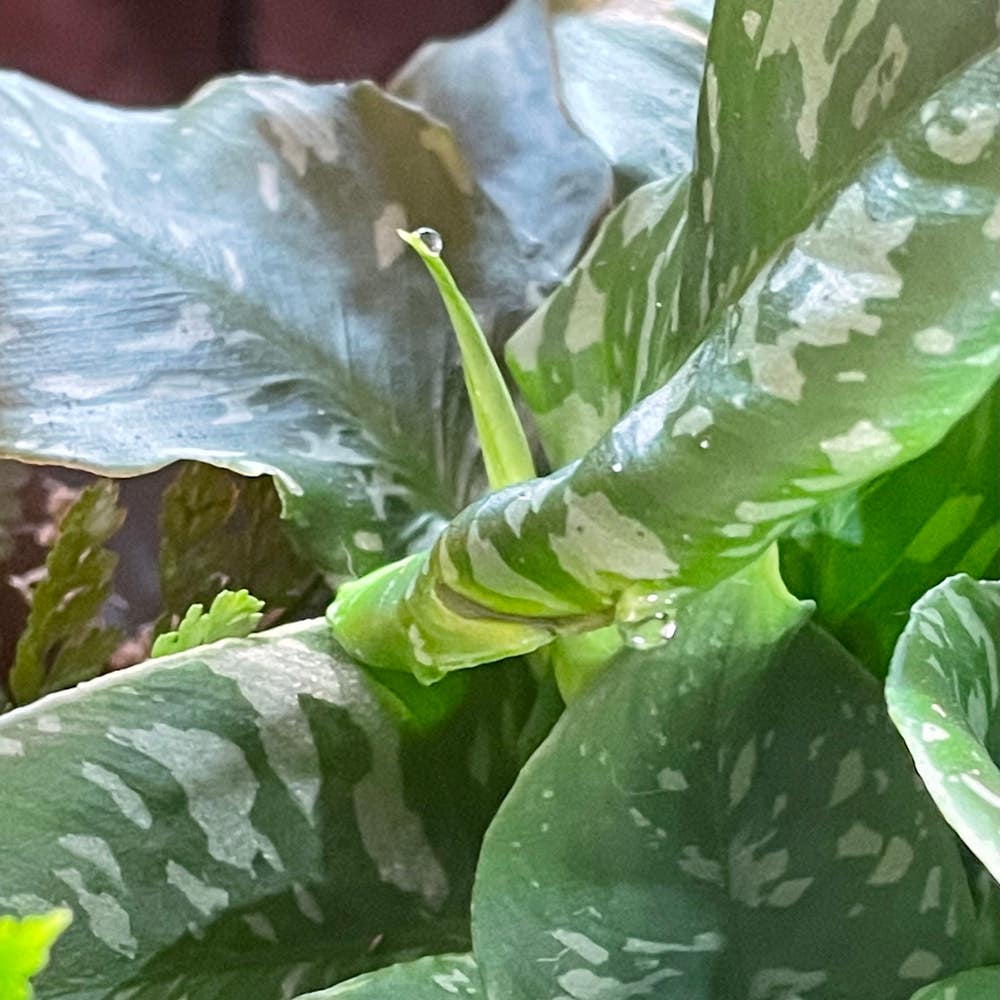
Light is a critical factor for the flowering of Schismatoglottis 'Thailand'. This tropical plant, with its striking foliage, often overshadows its modest inflorescence, but proper lighting can encourage it to bloom.
Bright, indirect sunlight is the sweet spot for these plants. Direct sunlight can harm the delicate flowers, so aim for conditions that mimic their natural, dappled-light habitat.
Observations from related species suggest that the timing and intensity of light exposure are key. If you're using grow lights, think of them as a dial to adjust the plant's environment. Not enough flowers? Increase the light duration slightly.
Studies have shown that growth regulators can induce flowering, but for Schismatoglottis 'Thailand', the focus should be on mimicking natural light conditions as much as possible.
Remember, every plant has its own personality. Watch and react to your Schismatoglottis 'Thailand's' needs, and with the right light, you might just witness a floral display.
⚠️ Safety First
This content is for general information and may contain errors, omissions, or outdated details. It is not medical, veterinary advice, or an endorsement of therapeutic claims.
Always consult a qualified healthcare professional before using any plant as food, medicine, or supplement.
Never eat any plant (or feed one to pets) without confirming its identity with at least two trusted sources.
If you suspect poisoning, call Poison Control (800) 222-1222, the Pet Poison Helpline (800) 213-6680, or your local emergency service immediately.
Spotted an error? Please report it here.
Watch your Schismatoglottis 'Thailand' flourish by letting Greg pinpoint 📍 the ideal light conditions and remind you when it's time to shade or shine for that perfect bloom!