💧 Why Are My Schismatoglottis 'Thailand' Leaves Mushy?
Schismatoglottis 'Thailand'
By the Greg Editorial Team
Mar 19, 2024•4 min read
This article was created with the help of AI so we can cover more plants for you. May contain errors. See one? Report it here.
- Mushy leaves mean trouble; yellowing and soft texture are distress signals.
- 🚫💧 Overwatering is a common culprit; water only when top soil is dry.
- 🌱 Prevent root rot by using well-draining soil and terra cotta pots.
Spotting Trouble: Early Signs of Mushy Leaves
🍄 Visual Cues: Onset of Mushiness
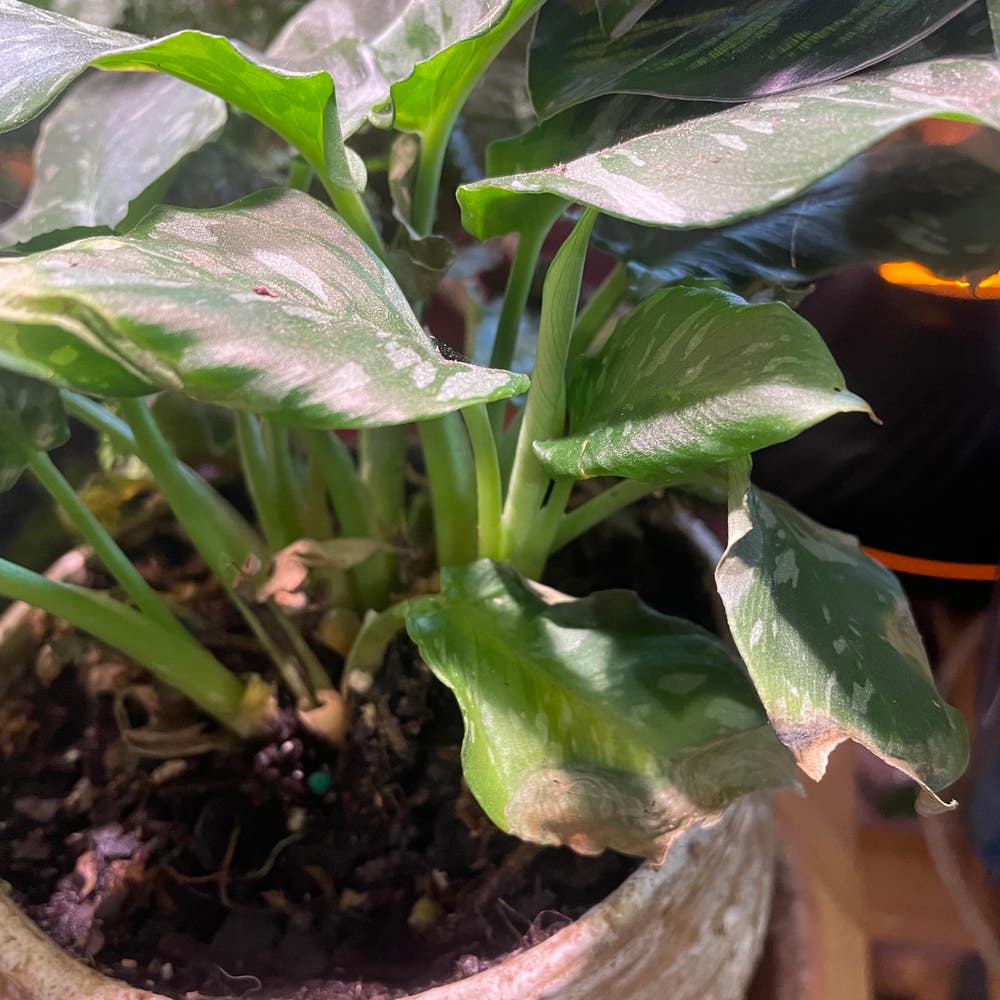
Discoloration is a glaring sign that your Schismatoglottis 'Thailand' is unhappy. Leaves turning yellow or brown are not just changing their wardrobe; they're signaling distress. If they remind you of overcooked spinach, you've got a visual SOS on your hands.
🖐️ Touch and Tell: Leaf Texture Signals
Get tactile with your plant. A healthy leaf should snap back like a crisp new dollar bill, not flop over like a deflated balloon. If pressing a leaf feels like poking a bruised peach, that's your cue; it's too soft.
⏰ When to Act: Timing Your Treatment
The moment you sense a leaf's lost its mojo under gentle pressure, it's time to spring into action. Don't wait for the plant to wave a white flag; soft, squishy leaves are a clear call for immediate intervention.
The Water Woes: Overwatering and Drainage Issues
🌊 Balancing Act: Watering Rhythm
Overwatering is the equivalent of plant suffocation. Your Schismatoglottis 'Thailand' isn't doing a backstroke; it's drowning. Find the rhythm; water only when the top inch of soil feels dry to the touch. It's like checking if the brownies are done—no wet batter, please.
🏡 Home Improvements: Drainage
Your plant's pot should have holes like a colander. If not, it's a swimming pool, and not the fun kind. Improve drainage by mixing in perlite or coarse sand. Think of it as adding ice to a cocktail—necessary for the perfect mix.
⚠️ The Danger Zone: Rescuing Overwatered Plants
Spot a plant with mushy leaves? It's sending an SOS. Stop watering immediately. Let the soil dry like a forgotten laundry load. If the roots are brown and limp, it's surgery time—trim the rot, repot, and don't look back. Remember, less is more when it comes to H2O.
Root of the Problem: Tackling Root Rot
🕵️ Under the Surface: Unearthing the Signs of Root Rot
Root rot is the plant's silent scream for help. Yellow leaves and stunted growth are your first clues. If the soil smells like yesterday's gym socks, it's time to play detective. Ignore the deceptive dry topsoil; the real crime scene is below the surface.
🏥 Surgical Precision: Trimming Away the Damage
Once you've unearthed the root of the problem, it's time to channel your inner surgeon. Sterilized shears in hand, cut away the rotten roots with no remorse. Only the firm, white roots deserve to stay. This is a no-mercy zone—think of it as cutting ties with the bad influences in your plant's life.
🌱 Fresh Start: Repotting with Care
After the purge, give your plant a fresh start. Repot with well-draining soil in a pot that boasts more holes than a block of Swiss cheese. This isn't just a new pot; it's a lifeline. Water with the restraint of a desert wanderer—sparingly and only when needed. Your plant will thank you with firm, healthy leaves.
Prevention is Key: Keeping Leaves Firm and Healthy
💧 Water Wisdom
Consistency is key when watering your Schismatoglottis 'Thailand'. Water only when the top inch of soil is dry, which might mean adjusting your schedule with the seasons. Use tools like moisture meters to eliminate guesswork and ensure you're not overdoing it.
🌱 Soil Savvy
Choose a well-draining soil mix with added perlite or coarse sand to keep it airy. This is crucial for preventing water retention that can lead to mushy leaves. Regularly check the soil's condition and refresh it if necessary to maintain its draining properties.
🌿 Pot Picks
Select a pot that complements your plant's needs—terra cotta is excellent for its breathability and moisture control. Ensure the pot has adequate drainage holes to prevent water from pooling at the bottom, which can spell disaster for your plant's roots.
⚠️ Safety First
This content is for general information and may contain errors, omissions, or outdated details. It is not medical, veterinary advice, or an endorsement of therapeutic claims.
Always consult a qualified healthcare professional before using any plant as food, medicine, or supplement.
Never eat any plant (or feed one to pets) without confirming its identity with at least two trusted sources.
If you suspect poisoning, call Poison Control (800) 222-1222, the Pet Poison Helpline (800) 213-6680, or your local emergency service immediately.
Spotted an error? Please report it here.
Revive your Schismatoglottis 'Thailand' from mushy to marvelous 🌱 by letting Greg guide you on when to water for consistently healthy plants.