🌍 Schismatoglottis 'Thailand' is Not an Invasive Plant
Schismatoglottis 'Thailand'
By the Greg Editorial Team
Sep 30, 2024•5 min read
This article was created with the help of AI so we can cover more plants for you. May contain errors. See one? Report it here.
- 🌱 Schismatoglottis 'Thailand' is non-invasive, making it safe for diverse gardens.
- 🌿 This plant thrives in shade with moisture, enhancing garden aesthetics without overcrowding.
- 🐝 Supports biodiversity by attracting pollinators and contributing to soil health.
Plant Classification
Definition of Invasive Plants 🌱
Invasive plants are species that exhibit rapid growth and spread, often outcompeting native flora. They can disrupt local ecosystems, leading to negative impacts on biodiversity and habitat stability.
Why Schismatoglottis 'Thailand' is Not Invasive 🌿
Schismatoglottis 'Thailand' stands out for its limited spread potential, primarily due to its specific growth requirements. This plant thrives in shaded or partially shaded areas and needs consistent moisture along with well-draining soil.
Its growth patterns are not aggressive, meaning it doesn't disrupt local ecosystems. Instead, it coexists peacefully, enhancing the garden without overwhelming other plants.
By understanding these characteristics, gardeners can appreciate how Schismatoglottis 'Thailand' contributes positively to their landscapes while avoiding the pitfalls of invasive species.
This sets the stage for exploring its growth habits, which further highlight its suitability for garden environments.
Growth Habits
🌱 Typical Growth Patterns in Gardens
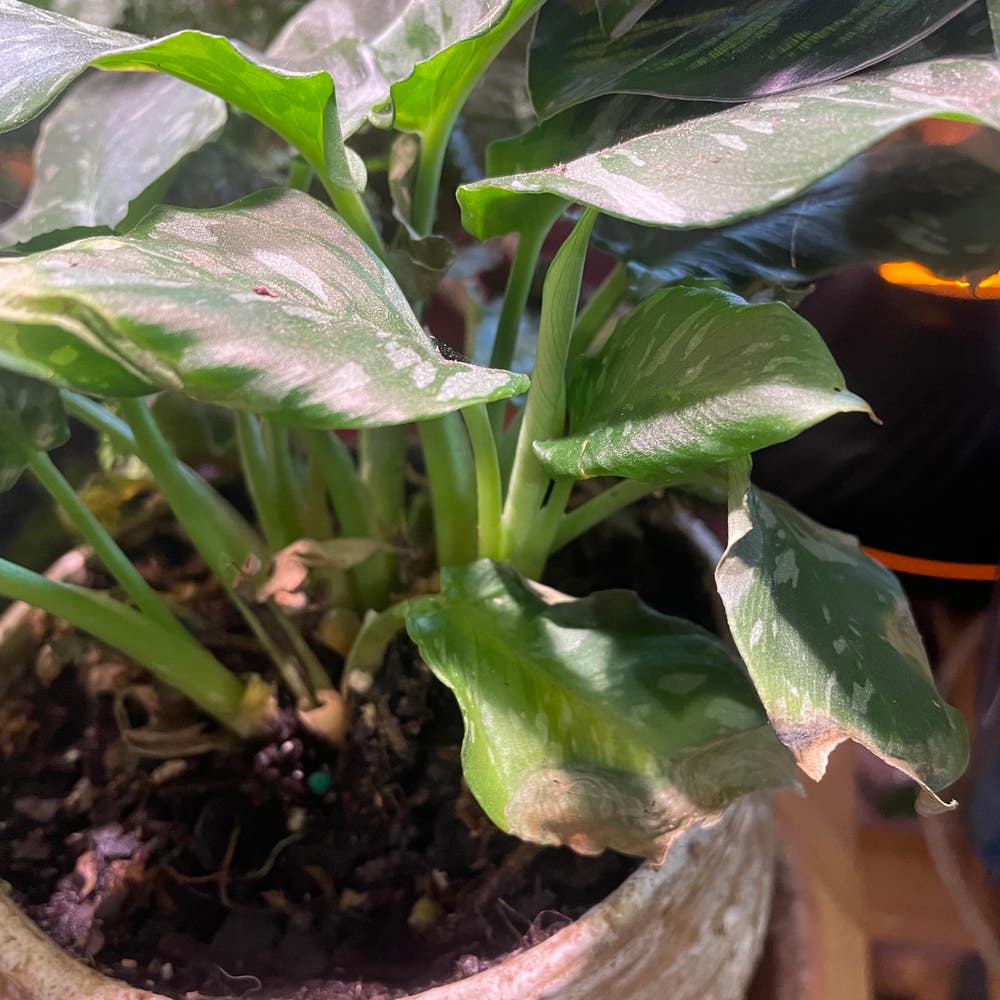
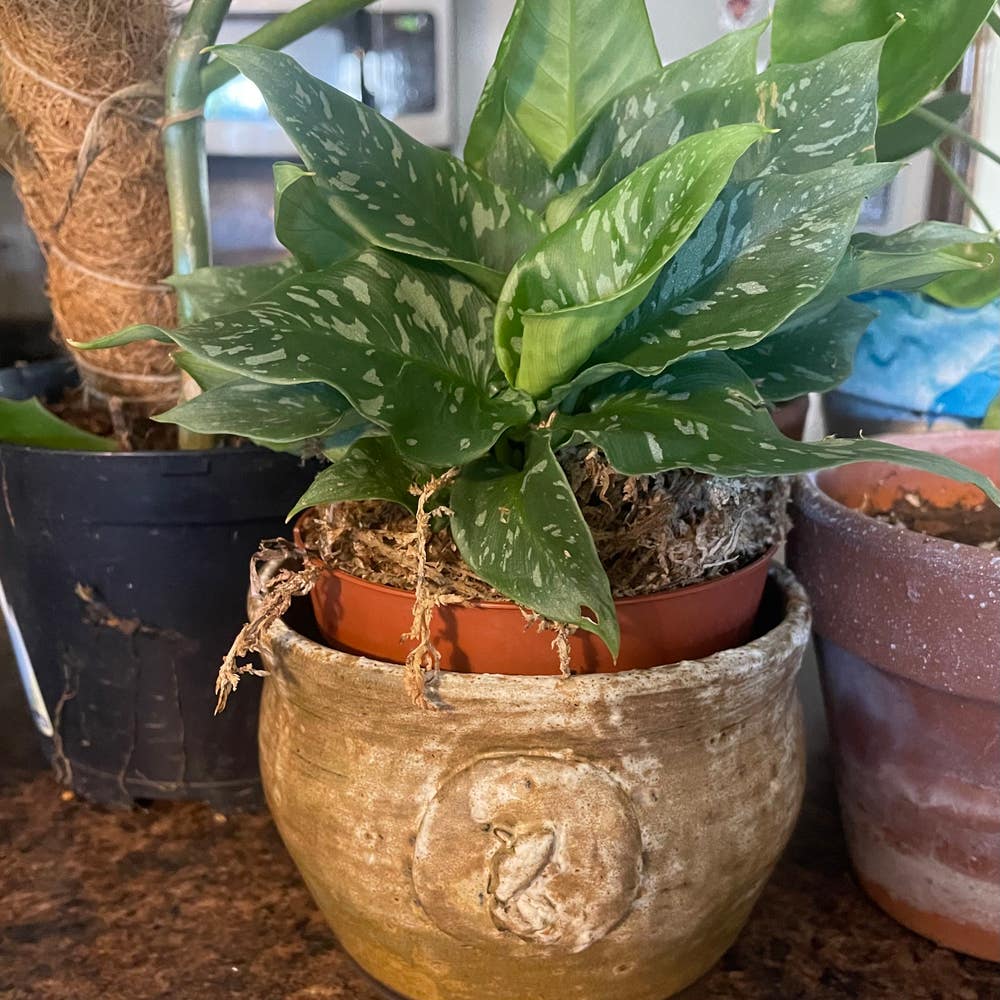
Schismatoglottis 'Thailand' exhibits a striking clumping habit, characterized by its large, lush leaves. This plant typically reaches heights of 1 to 3 feet, depending on the growing conditions.
Its growth rate is moderate, with noticeable seasonal spurts during the warmer months. This makes it an attractive option for gardeners looking to add vibrant greenery without overwhelming their space.
🌿 Natural Limits to Growth and Spread Potential
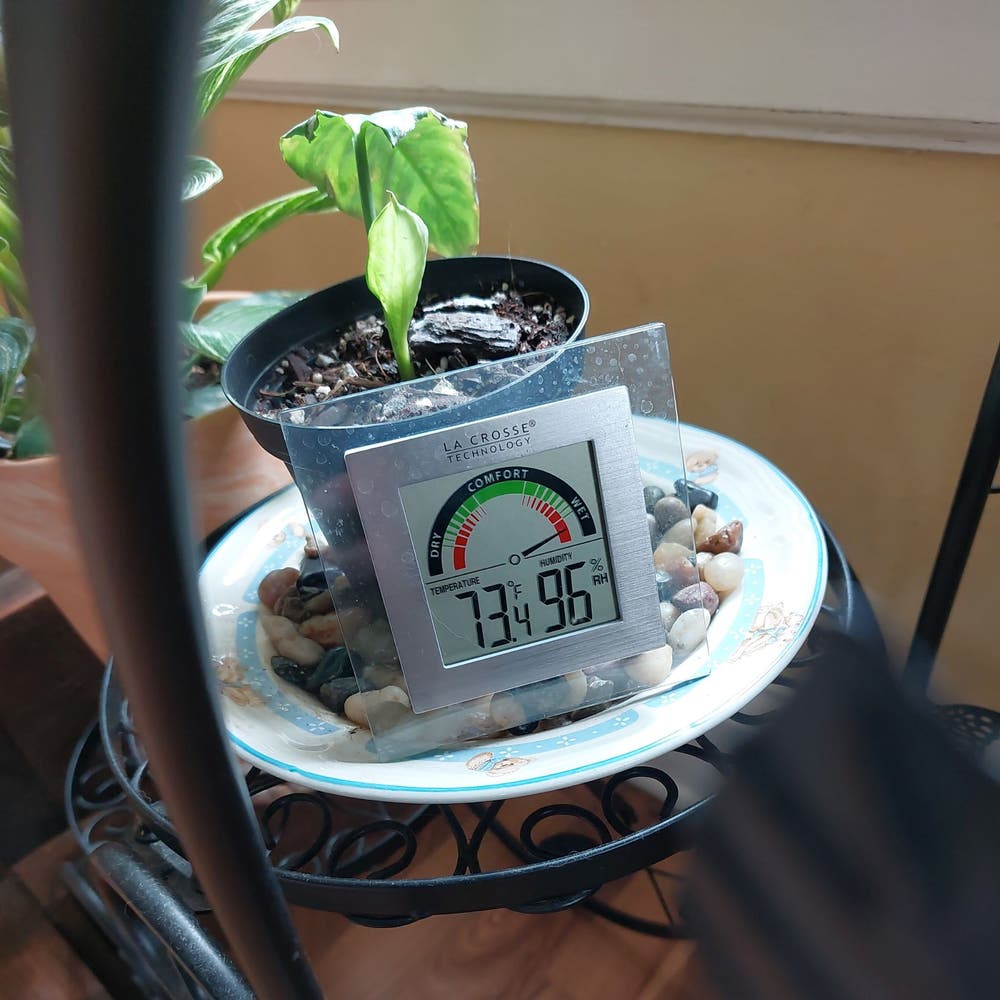
This plant thrives in tropical climates, where high humidity is the norm. However, it has limited tolerance for extreme temperatures and drought, which naturally restricts its spread.
In terms of reproduction, Schismatoglottis 'Thailand' shows minimal self-seeding. Instead, it primarily propagates through division or cuttings, making it easier to manage in garden settings.
With these growth habits and limitations, Schismatoglottis 'Thailand' proves to be a manageable and visually appealing addition to any garden. As we explore its ecological role next, you'll see how it contributes positively to garden ecosystems.
Ecological Role
Benefits in Garden Ecosystems 🌱
Schismatoglottis 'Thailand' plays a vital role in enhancing biodiversity. It provides habitat for various species, creating a thriving micro-ecosystem in your garden.
Additionally, this plant contributes to soil health through the decomposition of its leaf litter. This process enriches the soil, promoting nutrient cycling and supporting other plant life.
Positive Interactions with Local Wildlife 🦋
One of the standout features of Schismatoglottis 'Thailand' is its ability to attract beneficial insects, including pollinators. These insects are crucial for the overall health of your garden, helping to fertilize flowers and promote fruiting.
Moreover, the plant offers shelter and food sources for small fauna. This interaction not only enhances garden ecology but also fosters a vibrant, interconnected environment.
Incorporating Schismatoglottis 'Thailand' into your garden design not only beautifies your space but also supports local wildlife and contributes to a healthier ecosystem. This sets the stage for the next section, where we will explore effective garden management strategies to maximize its benefits.
Garden Management
Incorporating into Garden Designs 🌿
Schismatoglottis 'Thailand' thrives beautifully in shaded areas, making it an ideal understory plant. It also flourishes along water features or in moist garden beds, where its lush foliage can truly shine.
To create a vibrant garden, combine this plant with other tropical foliage. Mixing different leaf shapes and colors adds visual interest and enhances the overall aesthetic.
Growth Control Methods for Aesthetic Purposes ✂️
Maintaining the beauty of Schismatoglottis 'Thailand' is straightforward. Start with regular monitoring of its growth and health to ensure it stays vibrant.
Pruning is essential for keeping the plant at your desired size and shape. Additionally, dividing clumps every 2-3 years prevents overcrowding and promotes healthy growth.
Incorporating these practices not only enhances your garden's appearance but also ensures that Schismatoglottis 'Thailand' continues to thrive harmoniously within your landscape.
As you explore the next section, consider how this plant interacts with local wildlife and contributes to a thriving garden ecosystem.
Comparison to Other Plants
🌱 Similar Non-Invasive Plants
When considering tropical foliage, Schismatoglottis 'Thailand' stands out alongside other non-invasive options like Alocasia and Philodendron. While all three share lush aesthetics, their growth habits differ significantly, making each suitable for various garden designs.
Alocasia tends to have larger, more dramatic leaves, while Philodendron offers a range of climbing and trailing varieties. These differences can help gardeners choose the right plant based on their specific space and design goals.
🌟 Unique Qualities
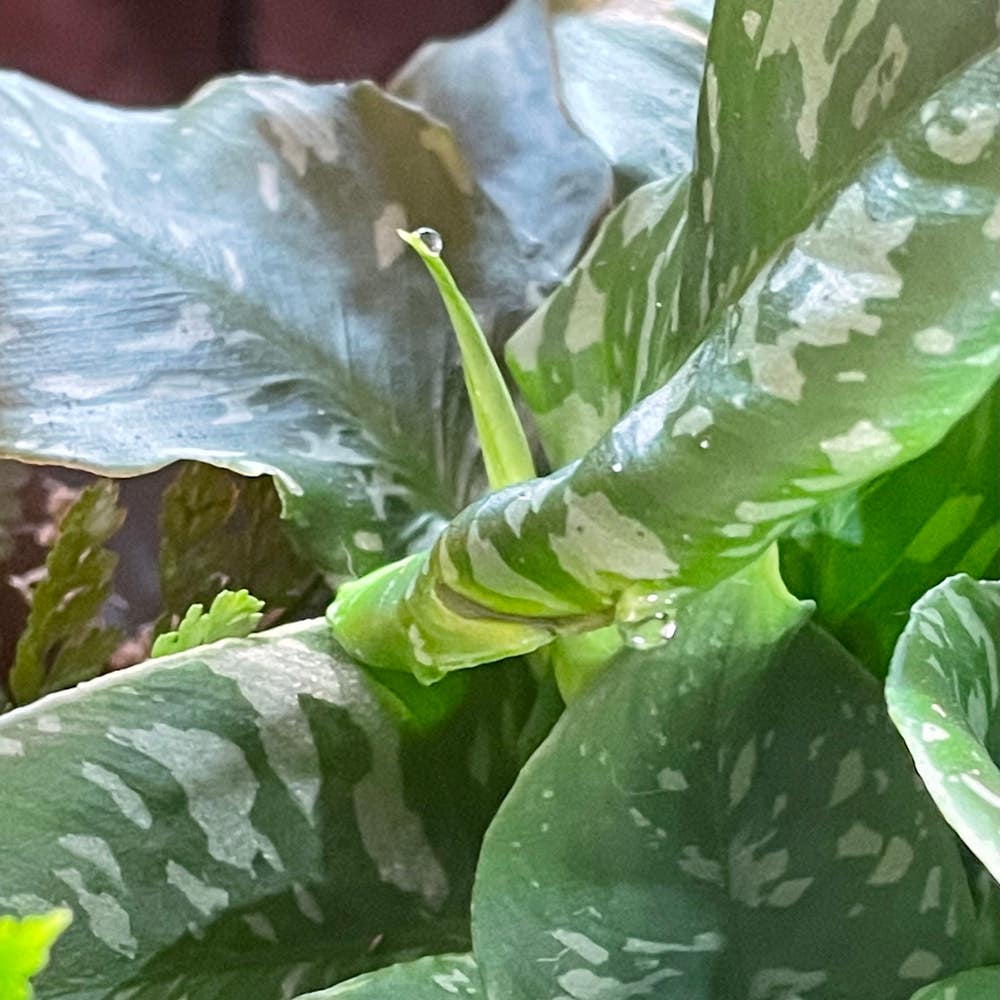
Schismatoglottis 'Thailand' boasts a distinctive leaf shape and texture that sets it apart from its peers. Its broad, glossy leaves not only add visual interest but also thrive in low-light conditions, making it a versatile choice for shaded areas.
This adaptability allows it to flourish where many other plants might struggle. Incorporating Schismatoglottis into your garden can enhance its overall appeal while ensuring a healthy, vibrant ecosystem.
As we explore the next section, consider how these unique qualities can play a role in sustainable gardening practices.
Legal and Environmental Considerations
🌱 Relevant Classifications and Guidelines
When planning your garden, it's essential to be aware of local regulations regarding non-invasive species. Many regions have guidelines that encourage the planting of non-invasive plants to protect local ecosystems.
Selecting non-invasive plants like Schismatoglottis 'Thailand' not only complies with these regulations but also supports sustainable gardening practices. This choice helps maintain the balance of local flora and fauna.
🌍 Role in Sustainable Gardening Practices
Choosing non-invasive plants contributes significantly to ecosystem health. By avoiding invasive species, you help prevent the disruption of local habitats, ensuring that native plants and animals thrive.
Moreover, incorporating plants like Schismatoglottis 'Thailand' promotes biodiversity. This choice supports local wildlife interactions, creating a vibrant and healthy garden environment.
As you design your garden, remember that every plant choice matters. Opting for non-invasive species is a step toward a more sustainable and ecologically friendly gardening practice.
⚠️ Safety First
This content is for general information and may contain errors, omissions, or outdated details. It is not medical, veterinary advice, or an endorsement of therapeutic claims.
Always consult a qualified healthcare professional before using any plant as food, medicine, or supplement.
Never eat any plant (or feed one to pets) without confirming its identity with at least two trusted sources.
If you suspect poisoning, call Poison Control (800) 222-1222, the Pet Poison Helpline (800) 213-6680, or your local emergency service immediately.
Spotted an error? Please report it here.
Discover the non-invasive beauty 🌱 of Schismatoglottis 'Thailand' that enriches your garden's ecosystem, and let Greg provide personalized care reminders to help it flourish in your space!