🐝 3 Tips for Pollinating Schismatoglottis 'Thailand'
Schismatoglottis 'Thailand'
By the Greg Editorial Team
Sep 28, 2024•5 min read
This article was created with the help of AI so we can cover more plants for you. May contain errors. See one? Report it here.
- 🌸 Schismatoglottis 'Thailand' attracts bees and butterflies with vibrant colors and scents.
- 🤝 Self-pollination ensures reproduction, while cross-pollination boosts genetic diversity.
- 🌿 Create a pollinator-friendly garden by planting natives and avoiding chemicals.
Flower Structure
Description of Characteristics 🌼
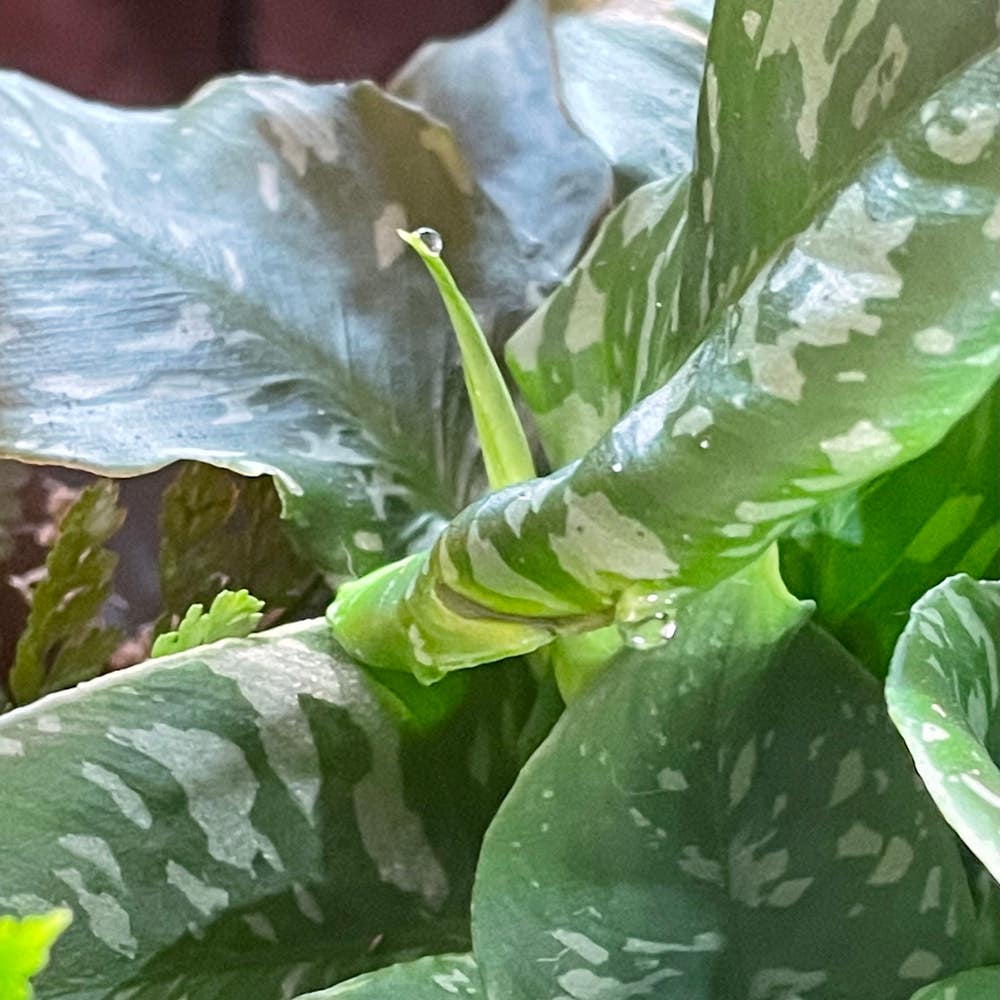
Schismatoglottis 'Thailand' showcases a unique flower structure, featuring a spadix enveloped by a spathe, a hallmark of aroids. This distinctive shape not only adds to its aesthetic appeal but also plays a crucial role in its reproductive strategy.
The colors of these flowers are a vibrant spectacle, often designed to attract various pollinators. From bright yellows to deep purples, these hues serve as visual cues, drawing in the attention of bees, butterflies, and other beneficial insects.
Role in Pollination 🐝
The spathe acts as a protective shield for the spadix, ensuring that the delicate flowers remain safe while also enhancing their visibility to potential pollinators. This dual function is vital for attracting species that facilitate pollination.
Moreover, Schismatoglottis 'Thailand' employs mechanisms for both self-pollination and cross-pollination. This adaptability not only boosts its reproductive success but also ensures a diverse gene pool, which is essential for the plant's long-term survival.
As we delve deeper into the pollination process, understanding these foundational characteristics will illuminate how this fascinating plant thrives in its environment.
Pollination Process
Self-Pollination Process and Benefits 🌱
Schismatoglottis 'Thailand' has a fascinating ability to self-pollinate. This process occurs when pollen from the male anthers on the spadix fertilizes the female stigma, ensuring reproduction even in the absence of pollinators.
Self-pollination offers significant advantages. It guarantees seed production, especially in isolated environments where pollinators may be scarce. This adaptability is crucial for the plant's survival and helps maintain its population.
Cross-Pollination: Primary Pollinators and Attraction Methods 🐝
While self-pollination is effective, Schismatoglottis 'Thailand' also thrives through cross-pollination. Key pollinators include bees, butterflies, and moths, each playing a vital role in transferring pollen between flowers.
To attract these pollinators, the plant employs vibrant colors and enticing scents. These features not only draw in pollinators but also enhance the chances of successful fertilization, leading to a diverse gene pool and robust plant health.
With both self and cross-pollination strategies, Schismatoglottis 'Thailand' showcases its resilience and adaptability in the plant kingdom. Next, we'll explore the natural mechanisms that facilitate pollen transfer and their ecological significance.
Natural Pollination Mechanisms
🐝 Pollen Transfer Mechanisms
Pollen transfer in Schismatoglottis 'Thailand' occurs primarily through the actions of pollinators. As bees, butterflies, and moths visit the densely packed flowers, they inadvertently brush against the spadix, picking up pollen.
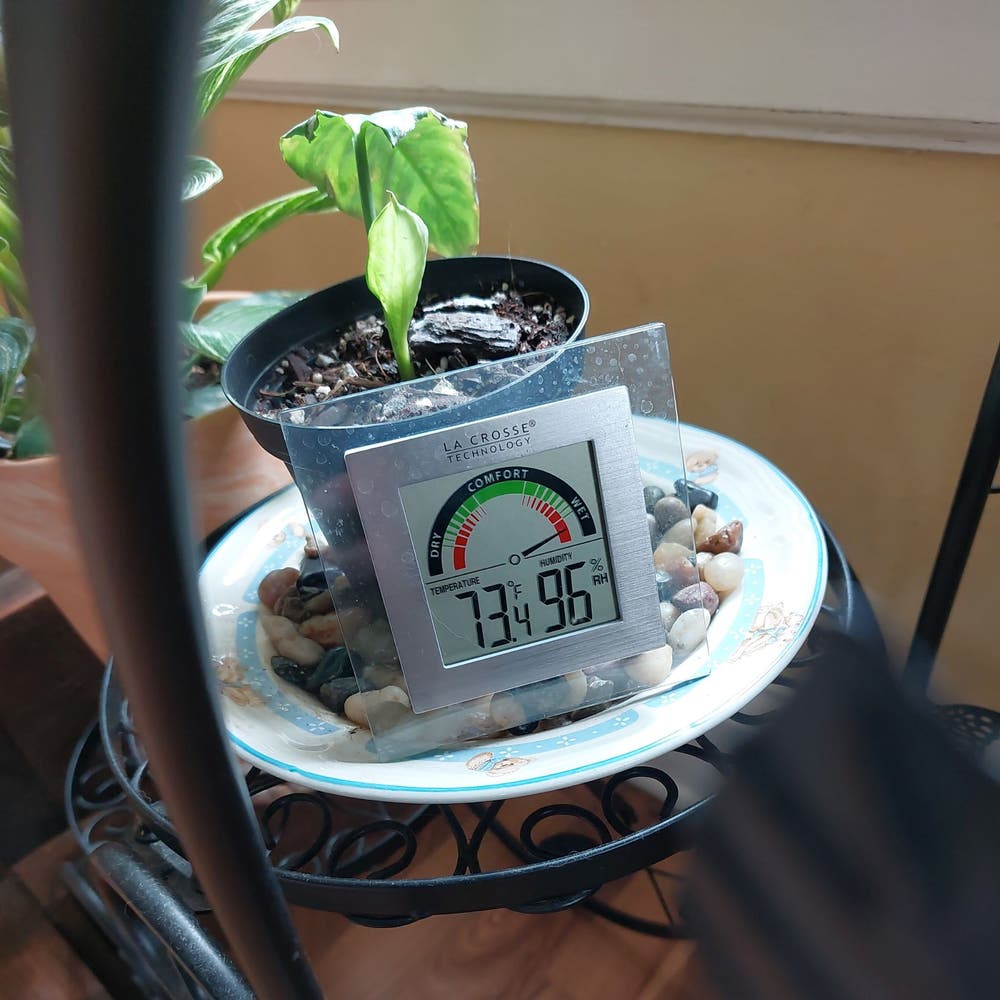
Environmental factors play a crucial role in this process. Optimal temperature and humidity levels can enhance pollen viability and encourage pollinator activity, making conditions ripe for successful transfer.
🌱 Importance for Reproduction and Genetic Diversity
Effective pollination is vital for the reproductive success of Schismatoglottis 'Thailand'. It not only ensures seed production but also contributes to the plant's genetic diversity.
Maintaining healthy pollinator populations is essential for ecological balance. A diverse gene pool allows the plant to adapt to changing environments, ensuring its survival and resilience.
Hand Pollination TecCompanion plantingination can be a rewarding way to ensure the successful reproduction of Schismatoglottis 'Thailand'. Follow these straightforward steps to enhance your plant’s chances of thriving.
Stewildflowersfy Male and Female Flower Parts 🌸
First, locate the male and female parts of the flower. The male components are the anthers found on the spadix, while the female stigma is situated at the top of the spadix.
Step 2: Collecting Pollen 🌼
Next, gather pollen from the anthers. A small brush or cotton swab works perfectly for this task, allowing you to collect just the right amount without damaging the flower.
Step 3: Transferring Pollen 🔄
Once you have collected the pollen, it’s time to transfer it. Gently apply the pollen to the stigma, ensuring good contact for effective fertilization.
Stemperaturesg ⏰
Timihumidityucial for successful hand pollination. Aim to perform this process during peak flowering periods when the flowers are most receptive.
By following these steps, you can significantly boost the reproductive success of your Schismatoglottis 'Thailand'. This hands-on approach not only aids in seed production but also deepens your connection with this unique plant.
Next, let’s explore how to create a pollihumidityiendltemperaturent that supports these beautiful plants.
Supporting Pollinators
🌼 Creating a Pollinator-Friendly Environment
To attract pollinators to your garden, start by planting native flowers. These plants are adapted to local conditions and provide essential nectar and pollen.
Additionally, ensure there are water sources availabSchismatoglottis 'Thailand'or birdbaths. Pollinators need hydration, especially during hot days.
Maintaining a chemical-free garden is crucial. Pesticides can harm beneficial insects, so opt for organic methods to protect your pollinator friends.
🌿 Companion Plants
Companion planting can enhance the appeal of your garden for pollinators. Consider adding flowering herbs like basil, mint, or thyme, which not only attract bees but also add flavor to your kitchen.
Native wildflowers are another excellent choice. They thrive alongside Schismatoglottis 'Thailand' and provide a vibrant habitat for various pollinator species.
By creating a diverse and welcoming environment, you can support the health of pollinators and ensure the success of your plants. This synergy is vital for a thriving ecosystem.
As we explore the next section, we'll delve into the challenges pollinators face and how to overcome them effectively.
Pollination Challenges and Solutions
🚧 Common Obstacles
Pollination can be tricky for Schismatoglottis 'Thailand' due to various environmental factors. High temperatures and low humidity can deter pollinators, while seasonal variations may disrupt the timing of flowering and pollination.
Additionally, a lack of pollinator activity can severely impact the plant's reproductive success. When pollinators are scarce, the chances of both self-pollination and cross-pollination diminish significantly.
🛠️ Solutions for Overcoming Challenges
To combat these challenges, maintaining optimal humidity and temperature is crucial. Consider using misting systems or placing the plant in a shaded area during peak heat to create a more favorable environment.
Enhancing pollinator activity can also be achieved through thoughtful habitat management. Planting a diverse range of flowering species nearby can attract various pollinators, ensuring that Schismatoglottis 'Thailand' has the best chance for successful pollination.
By creating a welcoming environment for pollinators, you not only support your plants but also contribute to the broader ecosystem. This proactive approach can lead to healthier plants and a more vibrant garden.
⚠️ Safety First
This content is for general information and may contain errors, omissions, or outdated details. It is not medical, veterinary advice, or an endorsement of therapeutic claims.
Always consult a qualified healthcare professional before using any plant as food, medicine, or supplement.
Never eat any plant (or feed one to pets) without confirming its identity with at least two trusted sources.
If you suspect poisoning, call Poison Control (800) 222-1222, the Pet Poison Helpline (800) 213-6680, or your local emergency service immediately.
Spotted an error? Please report it here.
Ensure your Schismatoglottis 'Thailand' thrives with vibrant blooms 🌺 by using Greg's personalized tips and reminders to create a pollinator-friendly environment!