🌴 8 Perfect Plant Partners for Schismatoglottis 'Thailand'
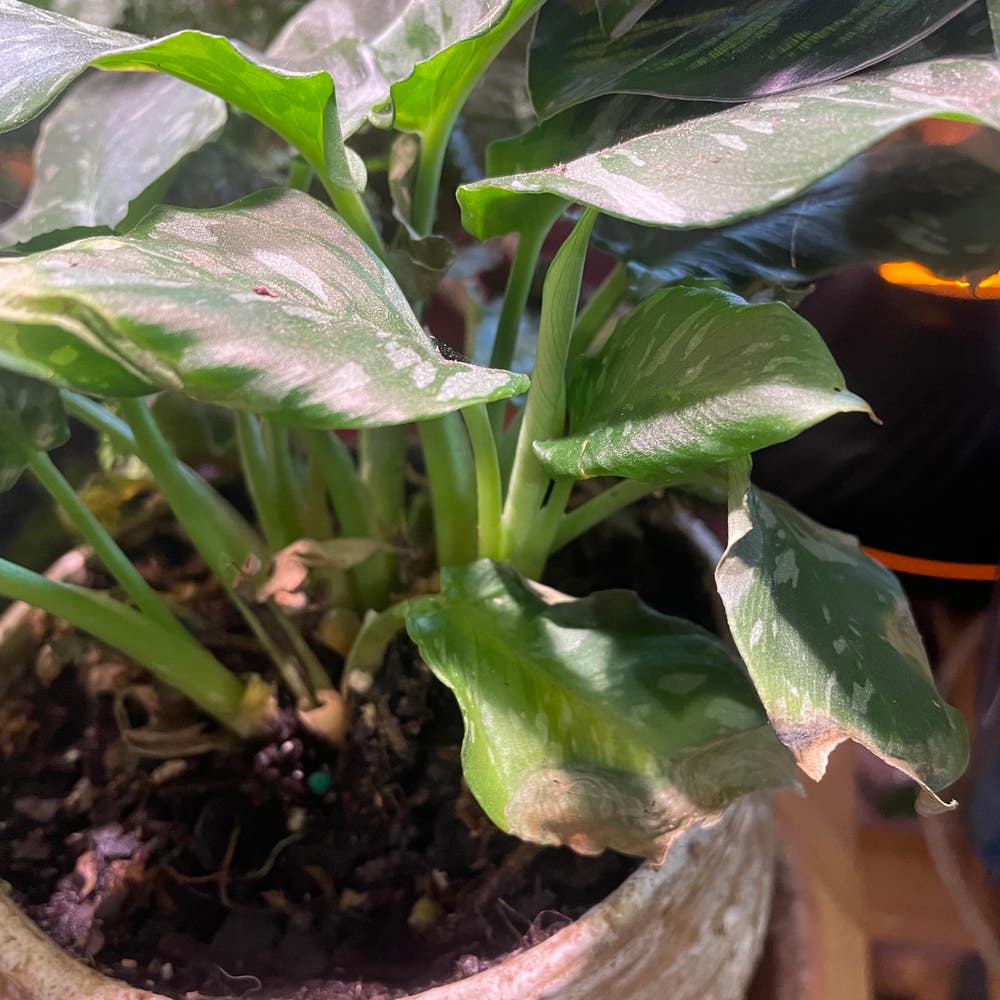
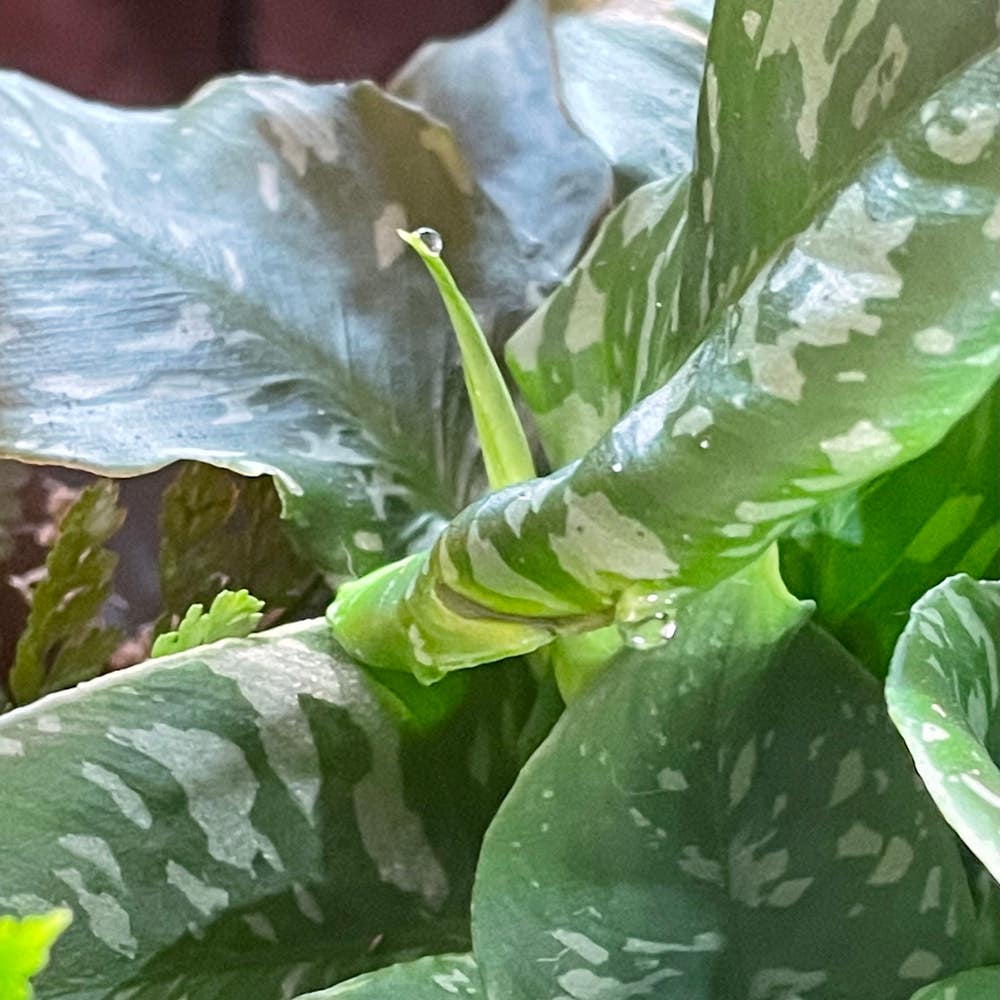
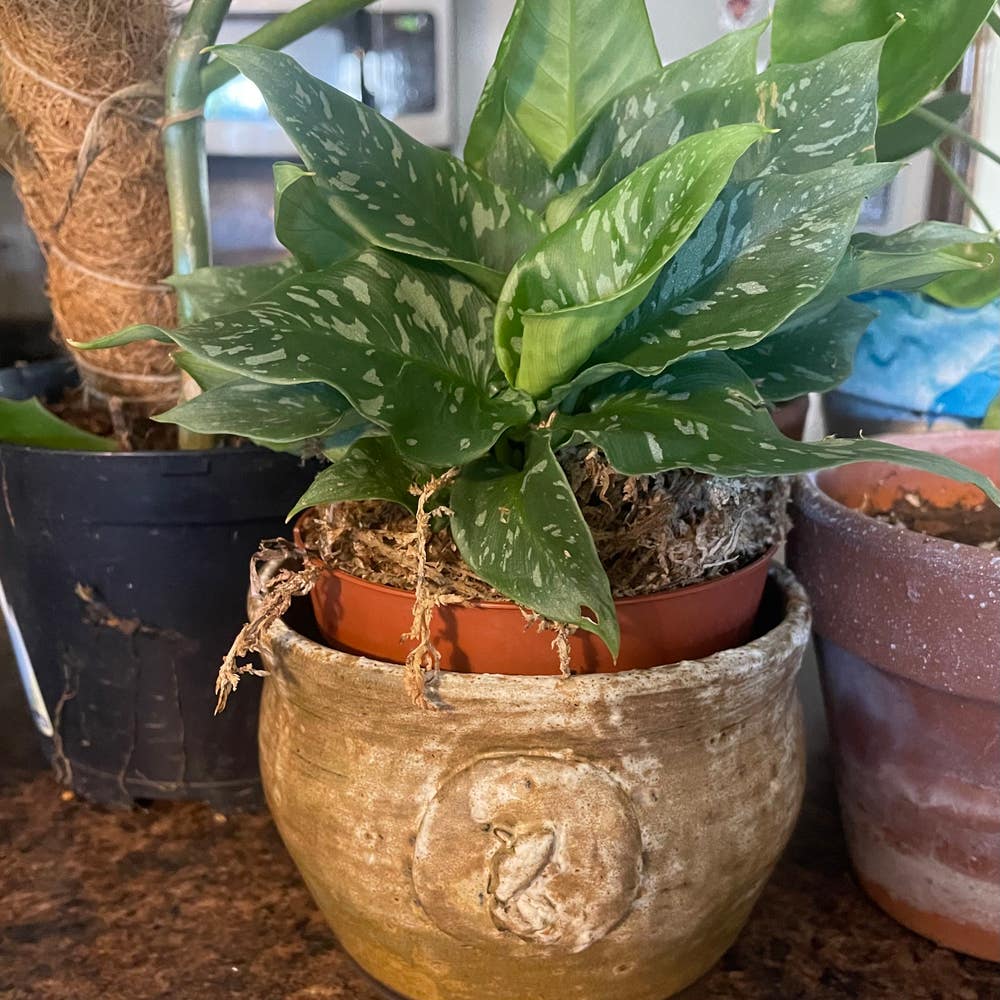
Schismatoglottis 'Thailand'
By the Greg Editorial Team
Sep 30, 2024•2 min read
This article was created with the help of AI so we can cover more plants for you. May contain errors. See one? Report it here.
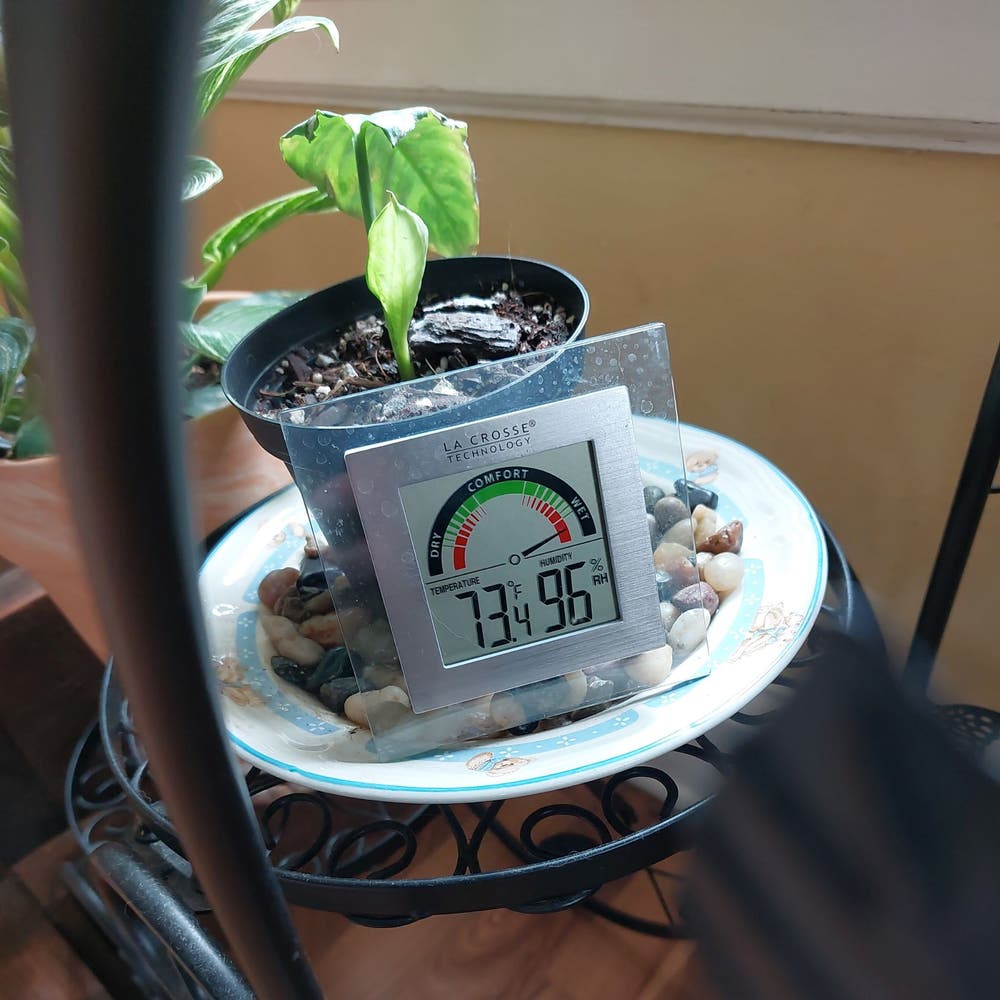
- 🌱 Schismatoglottis 'Thailand' thrives with high humidity and indirect light; choose partners wisely.
- 🌿 Calathea and Maranta enhance beauty and repel pests, making them ideal companions.
- 🌼 Avoid cacti and lavender; they need dry conditions, unsuitable for humidity-loving plants.
Ideal Companion Plants
Plant 1: Calathea 🌿
Calathea thrives in high humidity and indirect light, making it a perfect match for Schismatoglottis. Its striking leaf patterns beautifully complement the unique foliage of your plant.
Plant 2: Maranta 🌱
Maranta is not just visually appealing; it also boasts pest-repellent properties. This plant helps deter common pests like aphids and spider mites while enjoying similar humidity and light conditions.
Plant 3: Philodendron 🍃
Philodendron loves high humidity and indirect sunlight, aligning perfectly with Schismatoglottis needs. The diverse foliage shapes and colors create a harmonious and visually appealing arrangement.
Plant 4: Pothos 🌟
Pothos is a fantastic companion due to its nutrient-sharing abilities. Its vining nature fills vertical space without overshadowing other plants, making it an excellent addition to your garden.
Plant 5: Ferns 🌼
Ferns thrive in similar conditions and can provide year-round greenery. They also attract beneficial insects that help control pest populations, making them a smart choice for your plant community.
Plant 6: Alocasia 🌺
Alocasia prefers well-draining, organic-rich soil, just like Schismatoglottis. Its unique leaf shapes and sizes add visual contrast and interest to your plant arrangement.
Plant 7: Anthurium 🌸
Anthurium features shallow root systems that allow for harmonious growth without competition. The varied heights and leaf shapes create a dynamic garden layout, enhancing the overall aesthetic.
Plant 8: Begonia 🌷
Begonias have similar growth rates, ensuring that neither plant overshadows the other. Their maintenance ease makes them a breeze to manage alongside Schismatoglottis.
These companion plants not only thrive together but also enhance the beauty of your indoor garden. Next, let’s explore which plants to avoid for a successful plant partnership.
Plants to Avoid
🌵 Plant 1: Cacti
Cacti are beautiful, but they thrive in dry conditions. This preference clashes with the high humidity that Schismatoglottis loves, making them poor companions.
🌸 Plant 2: Lavender
Lavender is another plant to steer clear of. It demands full sun and dry soil, which can stifle the growth of humidity-loving plants like Schismatoglottis.
🌿 Plant 3: Rosemary
Rosemary might be a kitchen favorite, but it’s not a good match here. It prefers well-drained, less humid environments, competing for resources that Schismatoglottis needs to flourish.
By avoiding these plants, you can create a thriving environment for your Schismatoglottis and its ideal companions. Next, let’s explore the perfect plant partners that will enhance your indoor garden.
⚠️ Safety First
This content is for general information and may contain errors, omissions, or outdated details. It is not medical, veterinary advice, or an endorsement of therapeutic claims.
Always consult a qualified healthcare professional before using any plant as food, medicine, or supplement.
Never eat any plant (or feed one to pets) without confirming its identity with at least two trusted sources.
If you suspect poisoning, call Poison Control (800) 222-1222, the Pet Poison Helpline (800) 213-6680, or your local emergency service immediately.
Spotted an error? Please report it here.
Elevate your indoor garden with perfect companions for your Schismatoglottis 'Thailand' 🌱, and let Greg guide you with tailored care tips to ensure every plant thrives in harmony!