💜 Why Purple Rubber Plant Is Not an Annual
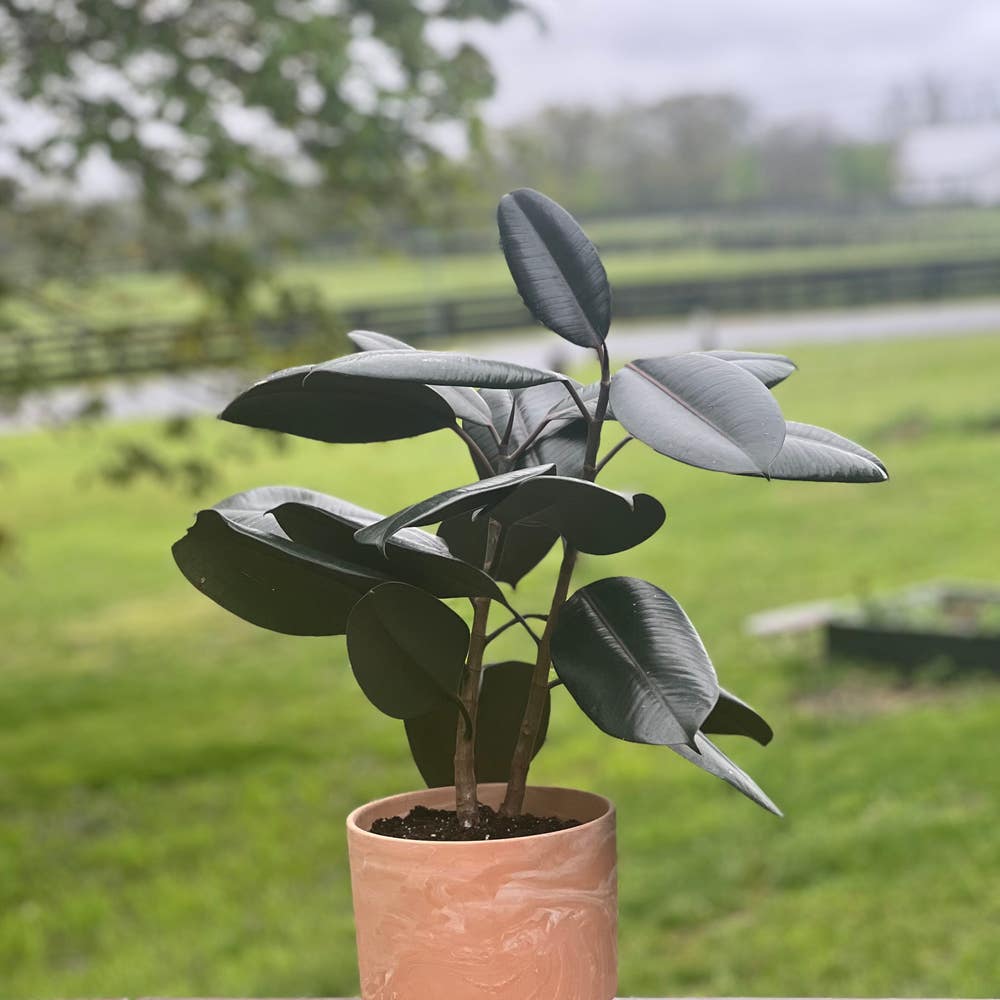
Ficus elastica 'Burgundy'
By the Greg Editorial Team
Oct 17, 2024•5 min read
This article was created with the help of AI so we can cover more plants for you. May contain errors. See one? Report it here.
Transform your indoor space with thriving purple rubber plants 🌱—discover essential care tips for lasting beauty!
- 🌱 The Purple Rubber Plant is a perennial, thriving for decades with proper care.
- 🌿 Mismanagement leads to misconceptions; it’s often mistaken for an annual plant.
- 💧 Optimal conditions and care ensure vibrant growth and longevity in indoor settings.
Purple Rubber Plant Characteristics
🧬 Genetic Traits
The Purple Rubber Plant, or Ficus elastica, hails from Southeast Asia, thriving in tropical and subtropical climates. In its natural habitat, it can soar up to 100 feet tall, but indoors, it typically remains more modest in size.
Its large, glossy leaves are a standout feature, showcasing a range of colors from deep green to striking purple. This vibrant foliage not only adds beauty but also plays a role in its overall health and growth.
🌱 Physiological Traits Contributing to Perennial Classification
One of the plant's remarkable adaptations is its aerial roots, which help it absorb nutrients and water efficiently. This trait contributes to its longevity, allowing it to thrive in various environments.
Additionally, the Purple Rubber Plant exhibits resilience, flourishing under different light conditions. Its growth habits include continuous leaf production, making it a true perennial that can last for years with the right care.
📈 Long-term Lifecycle and Growth Patterns
The lifecycle of the Purple Rubber Plant consists of several stages: germination, juvenile, mature, and reproductive phases. Initially, growth may be slow, but as it matures, you can expect rapid expansion and a lush appearance.
With proper care, this plant can live for decades, becoming a cherished part of your indoor garden. Understanding its growth patterns helps in nurturing it effectively, ensuring it remains vibrant and healthy for years to come.
As we delve deeper into the Purple Rubber Plant's characteristics, it's essential to explore its reproductive strategies next.
Reproductive Strategies
🌸 Flowering Cycles
The purple rubber plant typically blooms under optimal conditions, especially when grown indoors. Its unique inflorescences may not always be prominent, making them easy to overlook.
🌱 Seed Production and Dispersal Mechanisms
After flowering, the plant produces seeds that are dispersed by wind or animals. Unlike true annuals, which quickly produce seeds, the purple rubber plant, or Ficus elastica, has a more extended reproductive phase, allowing it to thrive over the years.
Understanding these reproductive strategies is crucial for appreciating the plant's perennial nature. This knowledge can enhance your gardening practices and help you provide the best care for your purple rubber plant.
Environmental Factors
Conditions Leading to Misclassification 🌱
The purple rubber plant often gets misclassified due to stress factors. Poor light, inadequate water, or extreme temperatures can stunt its growth, making it seem less perennial.
Inconsistent care throughout the seasons can also lead to reduced growth and flowering. When the plant doesn’t receive the attention it needs, it may appear more like an annual, leading to confusion about its true nature.
Geographic Variations Affecting Growth 🌍
Climate plays a significant role in how the purple rubber plant thrives. In tropical zones, it flourishes, while in temperate regions, its growth can be limited.
Additionally, the difference between indoor and outdoor growth conditions can affect perceptions of its classification. Indoor plants may not reach their full potential, further contributing to the misunderstanding of their perennial status.
Understanding these environmental factors is crucial for proper care. With the right conditions, your purple rubber plant can thrive and showcase its true perennial nature.
Gardening Implications
🌼 Benefits in Garden Design
The Purple Rubber Plant is a stunning addition to any garden, thanks to its large, glossy leaves that create a striking visual impact. As a perennial, it offers longevity, enhancing garden stability and providing year-round interest.
⏳ Strategies for Maximizing Longevity
To ensure your Purple Rubber Plant thrives, focus on its soil requirements. It prefers well-draining, nutrient-rich soil that promotes healthy root development.
Consistent watering practices are crucial as well. Aim for moisture that keeps the soil evenly damp, but avoid waterlogging, which can lead to root rot.
✂️ Tips for Managing as a Perennial
Pruning is essential for maintaining a bushy appearance. Regularly trim back leggy growth to encourage a fuller, more attractive plant.
Establishing a fertilization schedule can also boost your plant's health. Feed it regularly during the growing season to support robust growth and vibrant foliage.
By understanding these gardening implications, you can fully appreciate the Purple Rubber Plant's potential as a perennial gem in your garden. Next, let’s explore the common misconceptions surrounding this remarkable plant.
Common Misconceptions
Addressing Myths 🧐
The purple rubber plant is often mistaken for an annual due to its care practices. Many people assume that if a plant doesn’t thrive, it must be short-lived, overlooking its true perennial nature.
Understanding its classification is crucial for proper care. Recognizing that this plant can live for decades helps gardeners provide the right environment and care strategies.
Clarifying Care Practices 🛠️
Mismanagement is a common issue that leads to stunted growth. Overwatering or placing the plant in poor light can significantly hinder its development.
Seasonal care adjustments are essential for supporting its perennial growth. By tailoring your care practices to the changing environment, you can help your purple rubber plant flourish year after year.
With the right approach, you can enjoy the beauty and longevity of this remarkable plant. Now, let’s explore the gardening implications of incorporating the purple rubber plant into your space.
⚠️ Safety First
This content is for general information and may contain errors, omissions, or outdated details. It is not medical, veterinary advice, or an endorsement of therapeutic claims.
Always consult a qualified healthcare professional before using any plant as food, medicine, or supplement.
Never eat any plant (or feed one to pets) without confirming its identity with at least two trusted sources.
If you suspect poisoning, call Poison Control (800) 222-1222, the Pet Poison Helpline (800) 213-6680, or your local emergency service immediately.
Spotted an error? Please report it here.
Unlock the perennial potential of your Purple Rubber Plant 🌿 with Greg's tailored care reminders and expert tips to keep it thriving for decades!