Best Ways to Protect Lehua from Frost ❄️
Metrosideros polymorpha
By the Greg Editorial Team
Nov 08, 2024•5 min read
This article was created with the help of AI so we can cover more plants for you. May contain errors. See one? Report it here.
- ❄️ Lehua enters dormancy in winter, slowing growth but keeping vibrant leaves.
- 🌡️ Use frost cloths and mulch to protect Lehua from freezing temperatures.
- 📅 Monitor weather forecasts for frost alerts to prepare your Lehua in advance.
Dormancy and Evergreen Characteristics
❄️ Winter Dormancy
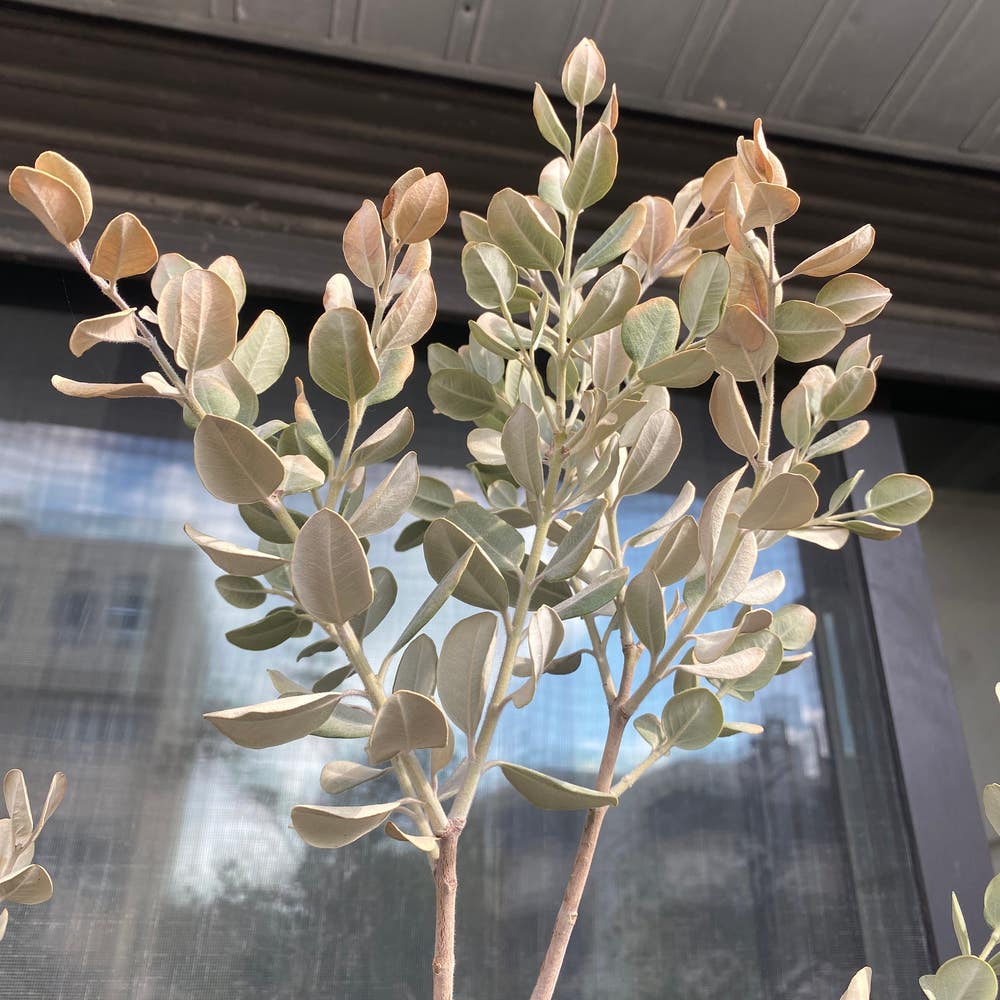
Winter dormancy is a fascinating phase for Lehua plants. During this time, they may slow their growth significantly while still retaining their vibrant leaves.
🌱 Understanding Dormancy
Understanding this dormancy is crucial for effective winter care. By recognizing how Lehua behaves in colder months, you can better tailor your protection strategies to ensure their health and vitality.
Frost Protection Strategies
🌬️ Best Practices for Protecting from Frost
Timing is crucial when it comes to protecting your Lehua from frost. Start implementing frost protection measures as soon as temperatures begin to dip, ideally before the first frost warning.
Keep a close eye on local weather forecasts for frost alerts. This proactive approach allows you to prepare your plants in advance, ensuring they have the best chance of survival.
🧣 Use of Frost Cloths and Other Protective Coverings
Frost cloths come in various types, each suited for different conditions. Lightweight options are great for mild frosts, while heavyweight cloths provide better insulation during harsher conditions.
To effectively cover your Lehua plants, follow these steps:
- Choose appropriate frost cloth material: Select a fabric that balances breathability and warmth.
- Ensure coverage extends to the ground: This traps heat and creates a warmer microenvironment.
- Secure cloth to prevent wind displacement: Use stakes or weights to keep the cloth in place during windy conditions.
🌱 Microclimate Creation
Creating a microclimate can significantly enhance frost protection for your Lehua. Consider planting in sheltered areas or near heat-retaining structures, such as walls or fences.
Utilizing mulch is another effective technique. It insulates the roots and helps retain soil warmth, providing an extra layer of protection against frost.
Companion planting can also be beneficial. By strategically placing other plants nearby, you can create a supportive environment that enhances frost resilience for your Lehua.
These strategies will not only protect your plants from frost but also foster a thriving garden ecosystem. As you implement these techniques, you'll be better prepared for the challenges of winter, ensuring your Lehua remains healthy and vibrant.
Next, we’ll explore how to adjust watering and fertilizing practices during the winter months to further support your Lehua's health.
Watering and Fertilizing Adjustments
Adjusting Watering Schedules During Winter 🌨️
During winter, it's crucial to reduce your watering frequency for Lehua plants. This helps retain soil moisture and supports root health, preventing overwatering during their dormant phase.
To determine when to water, check the top inch of soil. Only water when it feels dry to the touch, and consider using moisture meters for a more accurate assessment.
Fertilizing Practices in Winter ❄️
Lehua plants have minimal nutrient needs during dormancy. Fertilizing too much can stimulate unwanted growth, which is not ideal for winter.
Opt for slow-release fertilizers or organic options to provide gentle nourishment. Timing is key; fertilize early in winter if needed, but hold off until late winter to avoid disrupting dormancy.
With these adjustments, your Lehua will be better equipped to thrive through the cold months. Next, let’s explore how to care for your Lehua indoors during winter.
Indoor Winter Care
Guidelines for Bringing Indoors 🌬️
To keep your Lehua thriving indoors during winter, aim for a temperature range of 60°F to 75°F (15°C to 24°C). It's crucial to avoid drafts and sudden temperature changes, as these can stress the plant and hinder its growth.
Light and Humidity Requirements 💧
Lehua plants thrive in bright, indirect sunlight, so position them where they can soak up light without being scorched by direct rays. Additionally, maintaining humidity levels between 40-60% is essential; consider using humidifiers or pebble trays to create a comfortable environment for your plant.
By ensuring these indoor conditions, you can help your Lehua not only survive but flourish through the colder months. As you prepare for spring, keep an eye on your plant's health and be ready to transition it back outdoors when the weather warms up.
Spring Preparation and Recovery
🌨️ Signs of Winter Damage
As winter fades, it's crucial to assess your Lehua for signs of frost damage. Look for yellowing leaves, wilting, or leaf drop, which indicate that your plant may have suffered during the colder months.
After identifying these symptoms, evaluate the overall health of your Lehua. This assessment will guide your recovery efforts and help you determine the best course of action.
🌱 Steps for Recovery and Rejuvenation
Once you've identified any damage, it's time to take action. Start by pruning the affected areas:
- Remove dead or damaged branches to promote healthy growth.
- Make clean cuts to prevent disease from entering the plant.
Following pruning, adjust your watering and fertilization practices. Resume your regular schedules, ensuring your Lehua receives the nutrients it needs to recover fully.
☀️ Preparing for the Growing Season
Acclimating your Lehua to outdoor conditions is essential for a successful growing season. Gradually expose it to sunlight and outdoor temperatures to help it adjust without shock.
Additionally, keep an eye out for pests and diseases as your plant resumes growth. Early detection will help you maintain its health and vitality throughout the spring.
With these steps, your Lehua will be well on its way to thriving in the warmer months ahead.
⚠️ Safety First
This content is for general information and may contain errors, omissions, or outdated details. It is not medical, veterinary advice, or an endorsement of therapeutic claims.
Always consult a qualified healthcare professional before using any plant as food, medicine, or supplement.
Never eat any plant (or feed one to pets) without confirming its identity with at least two trusted sources.
If you suspect poisoning, call Poison Control (800) 222-1222, the Pet Poison Helpline (800) 213-6680, or your local emergency service immediately.
Spotted an error? Please report it here.
Keep your Lehua thriving through winter ❄️ with Greg's personalized frost protection tips and reminders, ensuring it stays vibrant and healthy all season long!