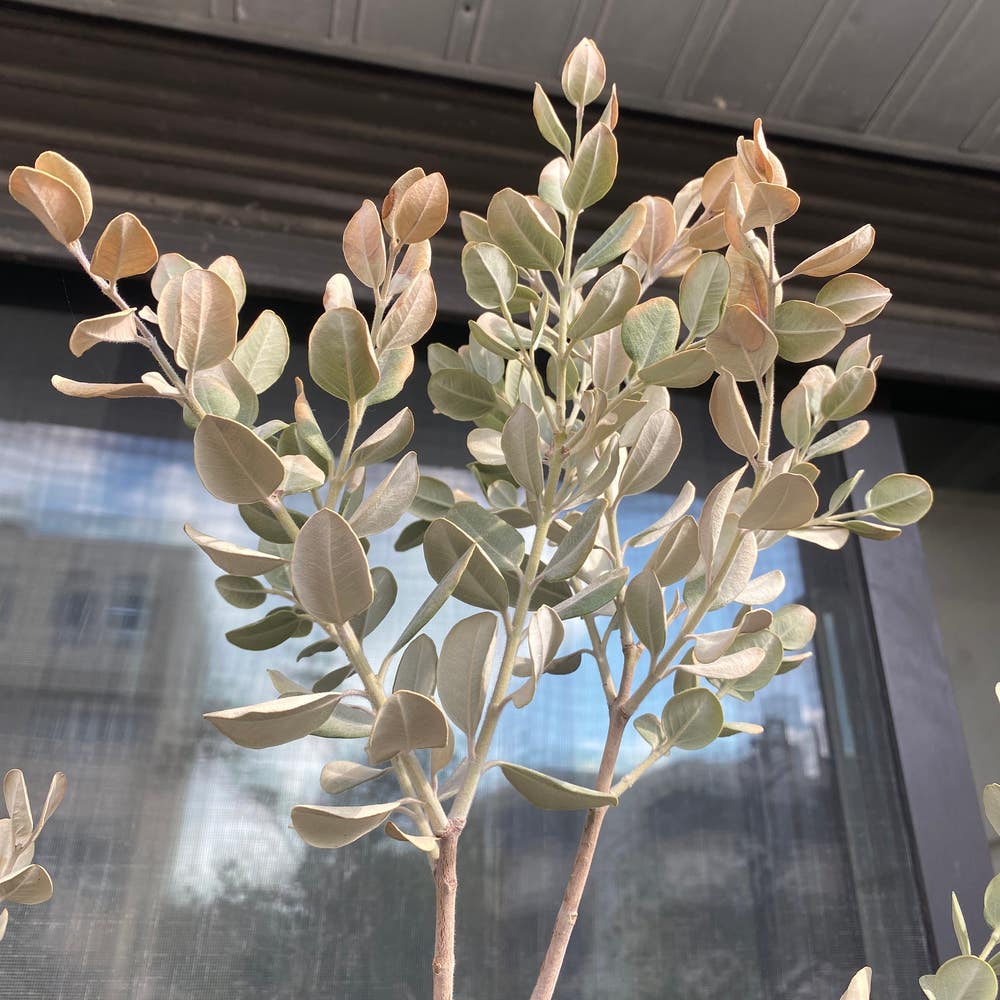
4 Tips for Healing Black Spots on Your Ohi'a Lehua 🩹
Metrosideros polymorpha
By the Greg Editorial Team
Nov 22, 2024•6 min read
This article was created with the help of AI so we can cover more plants for you. May contain errors. See one? Report it here.
- 🌧️ Black spots arise from stress, fungi, or pests; identify the cause for effective treatment.
- 🌱 Manage soil moisture to prevent drought and excess water, key stress factors.
- 🧴 Use organic treatments like neem oil or chemical fungicides for severe infections.
Causes of Black Spots on Leaves
🌪️ Environmental Stress Factors
Black spots on Ohi'a Lehua leaves often stem from environmental stress. Drought conditions can lead to leaf damage, causing unsightly spots as the plant struggles to retain moisture.
Conversely, excessive moisture creates a breeding ground for fungal growth. This imbalance can weaken the plant, making it more susceptible to diseases.
🍄 Fungal Infections
Fungal infections are a common culprit behind black spots. Fungi like Cercospora and Colletotrichum thrive in humid conditions, leading to dark, irregular spots on leaves.
These infections flourish when the plant is stressed, particularly during warm, wet weather. Understanding these conditions can help you take preventive measures.
🐛 Pest Infestations
Pests can also contribute to the appearance of black spots. Aphids, spider mites, and scale insects are notorious for damaging leaves, leading to discoloration.
Look for signs of pest-related damage, such as webbing or sticky residue on leaves. Early detection is key to managing infestations and protecting your Ohi'a Lehua.
By recognizing these causes, you can take proactive steps to maintain the health of your plants. Next, we’ll explore how to diagnose the specific issues affecting your Ohi'a Lehua.
Diagnosing the Problem
🦠 Differentiating Between Fungal and Bacterial Infections
Identifying the type of infection affecting your Ohi'a Lehua is crucial for effective treatment. Fungal infections typically present as dark spots on leaves, often with a spread pattern that can help you pinpoint the issue.
Common fungal diseases include leaf spot and rust, which thrive in warm, humid conditions. Look for irregularly shaped spots that may grow larger over time, signaling a fungal problem.
On the other hand, bacterial infections exhibit distinct symptoms. You might notice water-soaked spots that can turn brown and cause leaf wilting.
Common bacterial diseases affecting Ohi'a Lehua include bacterial blight and leaf scorch. These infections often spread quickly, so early identification is key.
🌍 Identifying Environmental Stress Factors
Environmental conditions play a significant role in the health of your Ohi'a Lehua. Start by assessing soil moisture levels; too much or too little can lead to stress.
Ensure your plant has proper drainage to prevent waterlogging. Additionally, monitor sunlight exposure and temperature fluctuations, as these factors can significantly impact your plant's resilience.
Regularly checking these conditions can help you maintain a thriving Ohi'a Lehua. By understanding the environmental stressors, you can take proactive steps to mitigate their effects and promote healthier growth.
With a clear diagnosis in hand, you can now explore treatment options to restore your plant's vitality.
Treatment Options
🌱 Organic Treatments for Black Spots
When dealing with black spots on your Ohi'a Lehua, organic treatments can be a gentle yet effective approach. Natural fungicides like Neem oil and baking soda solutions are popular choices.
Natural Fungicides
Neem Oil: This oil disrupts fungal growth and pests. Mix it with water and a few drops of dish soap, then spray it on affected leaves every 7-14 days.
Baking Soda Solutions: Combine 1 tablespoon of baking soda with a gallon of water. Spray this mixture on the leaves weekly to help prevent fungal infections.
Cultural Practices
Enhancing your plant's resilience is key. Start by improving air circulation around your Ohi'a Lehua.
Spacing: Ensure plants are spaced adequately to allow airflow.
Watering Practices: Adjust your watering schedule to prevent over-saturation. Water deeply but less frequently to encourage strong root growth.
🧪 Chemical Treatments for Severe Cases
In some situations, organic methods may not suffice. Chemical treatments can be necessary for severe infections.
Overview of Chemical Fungicides
Several chemical fungicides are effective for Ohi'a Lehua. Look for products containing chlorothalonil or propiconazole.
Application Guidelines: Follow the manufacturer's instructions carefully. Typically, you’ll apply these fungicides every 7-14 days until the problem is resolved.
Safety Precautions: Always wear gloves and a mask during application. Ensure you’re in a well-ventilated area to avoid inhaling fumes.
When to Consider Chemical Treatments
Recognizing when to switch to chemical treatments is crucial. Look for signs of severe infection, such as:
- Rapid spread of black spots across leaves.
- Significant leaf drop or wilting.
If you notice these symptoms, it may be time to take more aggressive action.
Transitioning to preventive measures will help maintain your Ohi'a Lehua's health and reduce the likelihood of future issues.
Preventive Measures
Best Practices for Ohi'a Lehua Care 🌿
Regular pruning is essential for maintaining the health of your Ohi'a Lehua. This practice enhances airflow around the plant, reducing the risk of fungal infections.
To prune effectively, focus on removing dead or crowded branches. Aim to do this during the plant's dormant season, ideally in late winter or early spring, to minimize stress.
Soil management is equally important. Ohi'a Lehua thrives in well-draining soil, which helps prevent root rot and other issues.
Consider incorporating organic matter or sand to improve drainage. This simple amendment can make a significant difference in your plant's health.
Environmental Conditions to Monitor 🌡️
Monitoring humidity and temperature is crucial for Ohi'a Lehua care. These plants prefer a humid environment with temperatures ranging from 60°F to 80°F.
Use hygrometers and thermometers to keep track of these conditions. This proactive approach helps you adjust your care routine as needed.
Pest control strategies are also vital. Regularly inspect your plants for signs of common pests like aphids and spider mites.
Implement preventive measures such as introducing beneficial insects or using insecticidal soap. Integrated pest management techniques can help you maintain a healthy balance in your garden.
By following these best practices and monitoring environmental conditions, you can significantly reduce the risk of black spots and keep your Ohi'a Lehua thriving.
Next, we'll explore health maintenance strategies to ensure your plants remain in top condition.
Health Maintenance
Regular Inspection and Maintenance 🌿
Routine checks for leaf health are crucial for the well-being of your Ohi'a Lehua. Aim to inspect your plants at least once a week to catch any issues early.
During your inspections, look for signs of black spots, discoloration, or wilting leaves. These indicators can help you identify potential problems before they escalate.
Importance of Proper Watering and Drainage 💧
Watering techniques play a vital role in maintaining the health of your Ohi'a Lehua. A recommended watering schedule is to provide deep watering once a week, adjusting based on rainfall and humidity levels.
Be vigilant for signs of overwatering, such as yellowing leaves or a mushy stem, and underwatering, which may present as drooping leaves. Both conditions can lead to serious health issues for your plant.
Ensuring proper drainage is equally important. To improve drainage in planting areas, consider adding organic matter or using raised beds.
Good drainage prevents root rot and minimizes the risk of leaf spots. By maintaining these practices, you can foster a thriving environment for your Ohi'a Lehua.
With a solid foundation in health maintenance, you're well on your way to nurturing resilient plants. Next, let’s explore preventive measures to keep your Ohi'a Lehua flourishing.
⚠️ Safety First
This content is for general information and may contain errors, omissions, or outdated details. It is not medical, veterinary advice, or an endorsement of therapeutic claims.
Always consult a qualified healthcare professional before using any plant as food, medicine, or supplement.
Never eat any plant (or feed one to pets) without confirming its identity with at least two trusted sources.
If you suspect poisoning, call Poison Control (800) 222-1222, the Pet Poison Helpline (800) 213-6680, or your local emergency service immediately.
Spotted an error? Please report it here.
Keep your Ohi'a Lehua thriving 🌱 by tackling black spots with proactive care, and let Greg guide you with personalized watering reminders and community support for a healthy, vibrant plant!