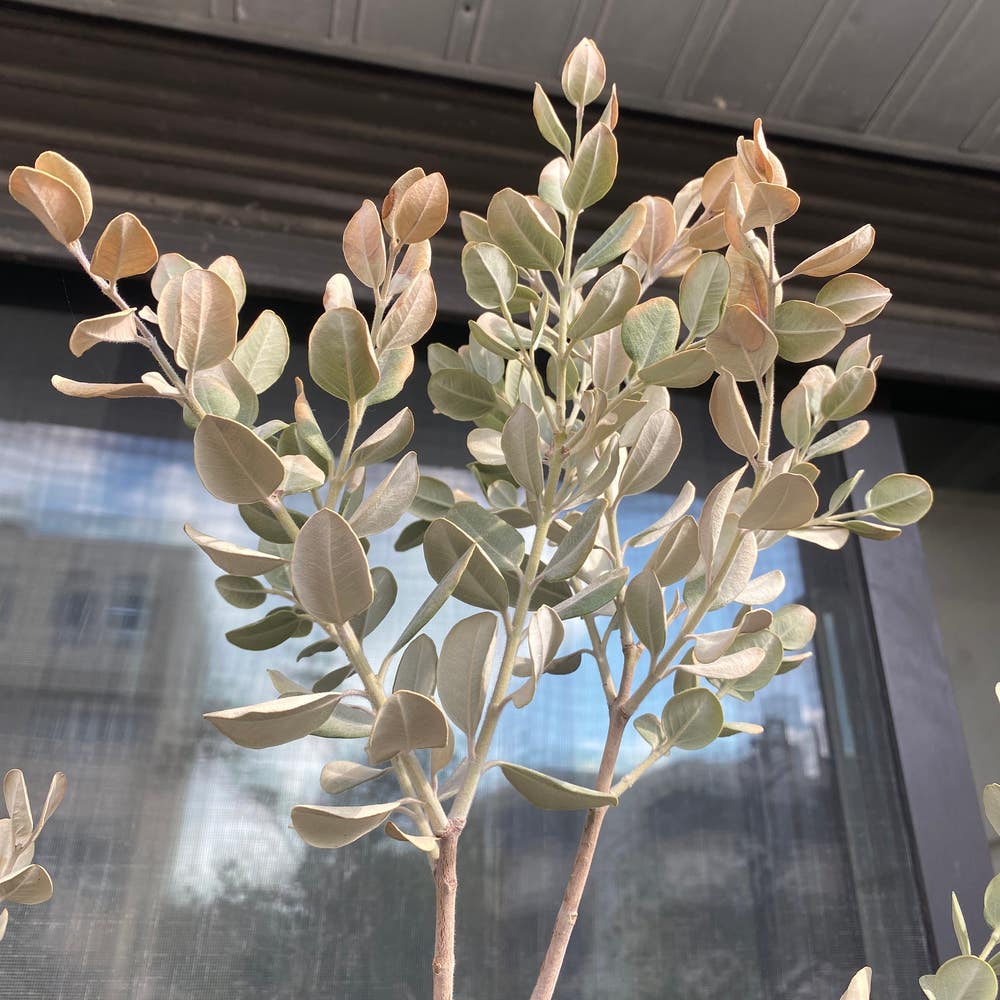
What to Do About Droopy Leaves on Your Ohi'a Lehua 🌺
Metrosideros polymorpha
By the Greg Editorial Team
Nov 22, 2024•6 min read
This article was created with the help of AI so we can cover more plants for you. May contain errors. See one? Report it here.
- 💧 Droopy leaves indicate overwatering or underwatering; check soil moisture regularly.
- 🌡️ Ohi'a Lehua thrives in 60°F to 80°F; extreme temperatures cause drooping.
- 🌱 Maintain well-draining soil and regular fertilization for vibrant, healthy leaves.
Causes of Droopy Leaves
💧 Overwatering and Root Rot
Droopy leaves can often signal overwatering, which manifests as yellowing leaves, mushy roots, and drooping foliage. This condition is typically caused by root rot, a fungal infection that thrives in waterlogged soil.
To prevent overwatering, ensure your Ohi'a Lehua is planted in well-draining soil and use proper potting techniques. This will help maintain a healthy root system and avoid the pitfalls of excess moisture.
🌵 Underwatering and Drought Stress
On the flip side, underwatering can lead to crispy, dry leaves and wilting. Drought stress not only hampers growth but can also result in leaf drop, leaving your plant looking sad.
To combat this, establish a regular watering schedule and perform moisture checks to keep your plant hydrated and thriving.
🌡️ Environmental Stress Factors
Temperature
Your Ohi'a Lehua thrives in a temperature range of 60°F to 80°F (15°C to 27°C). Extreme temperatures can cause leaf droop, whether from heat stress in the summer or cold shock in the winter.
Humidity
This plant prefers moderate to high humidity levels. Low humidity can lead to wilting and droopy leaves, so consider ways to boost moisture in the air around your plant.
🐛 Pest Infestations
Common Pests
Aphids can be a nuisance, with signs of infestation including curled leaves and sticky residue. Scale insects present as hard, waxy bumps on leaves, indicating damage.
Regular inspections and the use of organic pest control methods can help keep these pests at bay. Staying vigilant is key to maintaining a healthy plant.
🌱 Nutrient Deficiencies
Key Nutrients
Nitrogen is crucial for leaf growth; a deficiency can lead to yellowing and droop. Potassium is also important for overall plant health, and its lack can result in weak stems and drooping leaves.
To address these deficiencies, regular fertilization with a balanced fertilizer is essential. This will ensure your Ohi'a Lehua receives the nutrients it needs to flourish.
Understanding these causes of droopy leaves is vital for maintaining the health of your Ohi'a Lehua. Next, we’ll explore how to diagnose these issues effectively.
Diagnosing Droopy Leaves
🌊 Visual Signs of Overwatering vs. Underwatering
Identifying whether your Ohi'a Lehua is suffering from overwatering or underwatering is crucial. Overwatering typically presents as yellowing leaves and signs of root rot, while underwatering manifests as wilting, dry, and crispy leaves.
🐛 Identifying Pest Damage
Pest infestations can also lead to droopy leaves. Look for distorted leaves, sticky residue, and visible insects, as these are clear indicators of pest damage. Early detection is vital for effective treatment, so keep a close eye on your plant.
💧 Assessing Soil Moisture Levels
Checking soil moisture levels is essential for maintaining healthy foliage. You can use the finger test or a moisture meter to gauge moisture content, aiming for consistently moist soil that isn't soggy.
☀️ Evaluating Environmental Conditions
Light
Light conditions play a significant role in plant health. Your Ohi'a Lehua thrives in full sun to partial shade; insufficient light can lead to weak growth and droopy leaves.
🌡️ Temperature
Temperature fluctuations can stress your plant. It's important to monitor and keep the temperature within the ideal range of 60°F to 80°F (15°C to 27°C) to prevent drooping.
Understanding these diagnostic signs can help you take the necessary steps to revive your Ohi'a Lehua. Next, we’ll explore effective solutions for droopy leaves to restore your plant’s vitality.
Solutions for Droopy Leaves
🌊 Adjusting Watering Practices
To revive your Ohi'a Lehua, start with a consistent watering schedule. Aim for weekly watering, but be ready to adjust based on the weather—hotter days may require more frequent hydration.
Deep watering is key to promoting healthy root growth. This technique encourages roots to reach deeper into the soil, enhancing their resilience against drought.
🕳️ Improving Drainage and Soil Conditions
Next, focus on your soil's drainage capabilities. Adding perlite or sand can significantly improve drainage, preventing water from pooling around the roots.
Choosing the right pot is equally important. Always opt for pots with drainage holes to allow excess water to escape, safeguarding your plant from root rot.
🐛 Treating Pest Infestations
Pest control is essential for maintaining healthy foliage. Consider using organic methods like neem oil or insecticidal soap to combat common pests.
Regular monitoring is crucial. Establish a treatment schedule to catch infestations early and keep your Ohi'a Lehua thriving.
🌱 Fertilizing for Nutrient Balance
Nutrient balance plays a vital role in plant health. Use balanced NPK fertilizers to ensure your Ohi'a Lehua receives the essential nutrients it needs.
Apply fertilizer every 4-6 weeks during the growing season. This routine will help support robust growth and vibrant leaves.
🌬️ Creating a Suitable Microclimate
Lastly, consider the microclimate around your plant. Improving humidity can be as simple as grouping plants together or using humidity trays.
Providing shelter from wind and extreme temperatures is also important. These measures create a more stable environment, helping your Ohi'a Lehua flourish.
With these solutions in place, your plant will be on the path to recovery. Next, let’s explore preventive measures to keep your Ohi'a Lehua healthy and vibrant for the long term.
Preventive Measures
Best Practices for Care 🌱
Regular maintenance is key to keeping your Ohi'a Lehua healthy. Pruning dead or damaged leaves and cleaning the plant can promote better air circulation and overall vitality.
Proper planting techniques also play a crucial role. Ensure your plant has adequate space to grow and that the soil conditions are optimal for healthy root development.
Regular Monitoring of Soil Moisture 💧
Keeping an eye on soil moisture is essential for preventing droopy leaves. Utilize soil moisture meters or simply check the soil regularly to ensure it’s not too dry or too soggy.
Adjust your watering routine based on seasonal changes. This will help maintain the right moisture levels throughout the year.
Seasonal Care Adjustments 🌦️
As seasons change, so should your care routine. During winter, reduce watering frequency since the plant goes dormant and requires less moisture.
In contrast, summer heat may necessitate increased watering. Be attentive to your plant's needs during these warmer months to prevent stress.
Choosing the Right Location for Growth 🏡
Selecting the ideal planting location can make a significant difference. Aim for full sun exposure, but provide some protection from harsh winds to shield your plant.
Consider local climate conditions when choosing a spot. This ensures your Ohi'a Lehua thrives in an environment that suits its growth requirements.
By implementing these preventive measures, you can help your Ohi'a Lehua flourish and avoid the common pitfalls that lead to droopy leaves. Next, let’s explore how to diagnose droopy leaves effectively.
⚠️ Safety First
This content is for general information and may contain errors, omissions, or outdated details. It is not medical, veterinary advice, or an endorsement of therapeutic claims.
Always consult a qualified healthcare professional before using any plant as food, medicine, or supplement.
Never eat any plant (or feed one to pets) without confirming its identity with at least two trusted sources.
If you suspect poisoning, call Poison Control (800) 222-1222, the Pet Poison Helpline (800) 213-6680, or your local emergency service immediately.
Spotted an error? Please report it here.
Keep your Ohi'a Lehua perky and vibrant 🌿 by using Greg's tailored watering reminders and moisture checks to prevent droopy leaves and ensure optimal care!