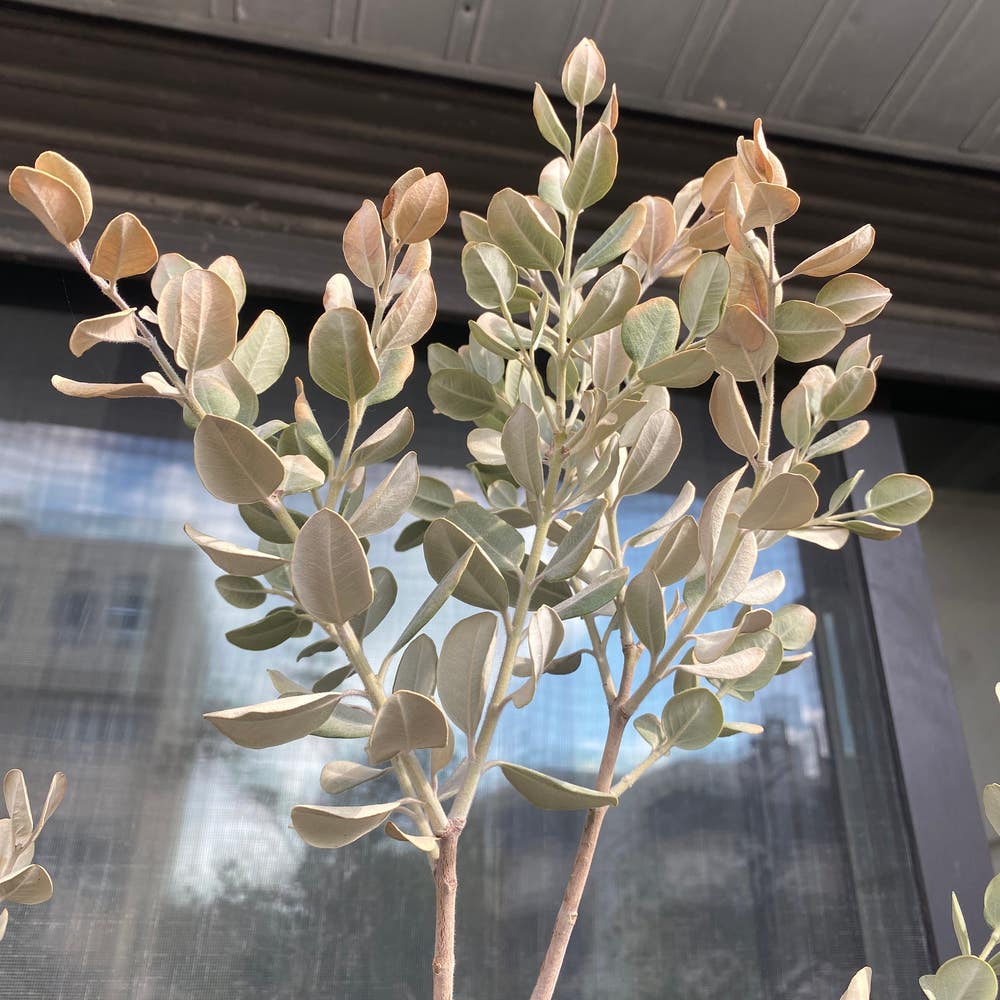
Ultimate Guide to Fixing Leaves Falling Over on Ohi'a Lehua 🌺
Metrosideros polymorpha
By the Greg Editorial Team
Nov 22, 2024•7 min read
This article was created with the help of AI so we can cover more plants for you. May contain errors. See one? Report it here.
- 🌱 Wilting and leaf drop indicate stress; check soil moisture and drainage.
- 💧 Water deeply but infrequently; let the top inch of soil dry out.
- 🐛 Regular pest inspections prevent issues like Ohi'a rust and maintain plant health.
Diagnosing the Problem
Identifying Signs of Stress 🌱
When your Ohi'a Lehua shows signs of stress, it's crucial to act quickly. Look for visual indicators like wilting leaves, discoloration, and unexpected leaf drop.
Behavioral changes can also signal distress. If you notice slowed growth or a lack of flowering, it’s time to investigate further.
Assessing Soil Conditions 🏞️
Soil conditions play a vital role in plant health. Start with soil moisture testing; you can use a simple finger test or a moisture meter to check levels.
Next, assess drainage. Signs of poor drainage include water pooling around the roots and a musty smell, which can indicate root health issues.
Checking for Pests and Diseases 🐛
Regular inspections are key to keeping your Ohi'a Lehua healthy. Look closely at the leaves and stems for any signs of pests, such as tiny holes or webbing.
Common diseases like Ohi'a rust can also affect your plant. Familiarize yourself with these issues to catch them early and take appropriate action.
By diagnosing these problems promptly, you can ensure your Ohi'a Lehua thrives. Next, let’s explore preventive measures to keep your plant healthy and vibrant.
Preventive Measures
Proper Watering Techniques 🌊
Maintaining optimal moisture is crucial for the health of your Ohi'a Lehua. Watering should be done deeply but infrequently, allowing the top inch of soil to dry out between sessions.
To recognize the signs of overwatering, look for yellowing leaves and a soggy root zone. Conversely, underwatering can lead to wilting and crispy leaf edges, signaling that your plant needs a drink.
Soil Amendments and Fertilization 🌱
Choosing the right fertilizers can make a significant difference in your plant's vitality. A balanced fertilizer with equal parts nitrogen, phosphorus, and potassium is ideal, applied every 6-8 weeks during the growing season.
In addition to fertilizers, consider soil amendments like compost or peat moss. These can enhance soil structure and boost nutrient content, creating a thriving environment for your Ohi'a Lehua.
Sunlight and Temperature Requirements ☀️
Ohi'a Lehua thrives in full sun but can tolerate partial shade. Aim for at least 6 hours of direct sunlight daily to encourage robust growth and vibrant blooms.
Temperature is another critical factor. While Ohi'a Lehua is quite resilient, it prefers temperatures between 60°F and 85°F. Protect your plant from extreme cold or heat to ensure it remains healthy and strong.
These preventive measures will set the stage for a flourishing Ohi'a Lehua. Next, let’s explore effective treatment options for when your plant needs a little extra care.
Treatment Options
Remedies for Nutrient Deficiencies 🌱
Nutrient deficiencies can lead to poor growth and leaf drop in Ohi'a Lehua. To address this, start with a soil test to identify which nutrients are lacking.
Once you know the specific needs, choose a balanced fertilizer that caters to those deficiencies. For example, if nitrogen is low, opt for a fertilizer high in nitrogen to promote lush foliage.
Organic Options 🌿
If you prefer a more natural approach, consider using organic fertilizers. Compost, worm castings, and fish emulsion are excellent choices that enrich the soil without harmful chemicals.
These organic options not only provide essential nutrients but also improve soil health over time, fostering a thriving environment for your Ohi'a Lehua.
Pest Management Strategies 🐞
Pests can wreak havoc on your Ohi'a Lehua if not managed properly. Implementing Integrated Pest Management (IPM) is a smart way to control pest populations while minimizing harm to the plant and environment.
Start by regularly inspecting your plants for signs of pests. Look for discolored leaves, webbing, or small insects. Once identified, you can take targeted action.
Organic Pest Control Methods 🌼
For those who prefer organic solutions, neem oil and insecticidal soap are effective options. Neem oil disrupts the life cycle of pests, while insecticidal soap suffocates them on contact.
Additionally, introducing beneficial insects like ladybugs can help keep pest populations in check naturally. These little allies will feast on aphids and other harmful insects, promoting a healthier plant.
Addressing Root Rot ⚠️
Root rot is a serious issue that can quickly lead to the demise of your Ohi'a Lehua. To identify root rot, look for yellowing leaves, wilting, and a foul smell from the soil.
If you suspect root rot, act quickly. Carefully remove the plant from its pot and inspect the roots. Healthy roots should be firm and white, while rotting roots will be brown and mushy.
Treatment Options 🛠️
To save an affected Ohi'a Lehua, start by trimming away any rotten roots with sterilized scissors. Then, repot the plant in fresh, well-draining soil to improve drainage.
Ensure the new pot has adequate drainage holes. This will help prevent future occurrences of root rot and keep your plant thriving.
Steps for Repotting and Improving Drainage 🔄
- Remove the plant from its current pot.
- Trim away any damaged roots.
- Choose a pot with good drainage.
- Fill with fresh, well-draining soil.
- Water lightly to settle the soil.
By following these steps, you can give your Ohi'a Lehua a fighting chance against root rot and help it flourish once again.
With these treatment options in hand, you’re well-equipped to tackle common issues affecting your Ohi'a Lehua. Next, let’s explore seasonal care tips to ensure your plant thrives throughout the year.
Seasonal Care Tips
🌵 Adjusting Care During Dry Seasons
During dry periods, it's crucial to adjust your watering practices for Ohi'a Lehua. Increase the frequency of watering, ensuring the soil remains consistently moist but not soggy.
Mulching is another effective strategy during these times. A layer of mulch helps retain moisture and regulates soil temperature, providing a buffer against extreme heat.
❄️ Winter Care for Ohi'a Lehua
As temperatures drop, protecting your Ohi'a Lehua from the cold becomes essential. Consider wrapping the plant with frost cloth or moving it to a sheltered location to shield it from harsh winds and freezing temperatures.
If you choose to bring your Ohi'a Lehua indoors, gradually acclimate it to the new environment. This transition helps minimize stress and keeps your plant thriving throughout the winter months.
By adjusting your care routine seasonally, you can ensure your Ohi'a Lehua remains healthy and vibrant year-round. Next, let’s explore some common misconceptions about leaf health and care practices.
Common Misconceptions
🌿 Myths About Ohi'a Lehua Leaf Health
When it comes to Ohi'a Lehua, many myths can cloud our understanding of leaf health. One common misconception is that leaf drop is always a sign of severe stress or impending death. In reality, some leaf drop is a natural part of the plant's life cycle, especially as it adjusts to environmental changes.
Another myth suggests that Ohi'a Lehua requires constant watering to thrive. Overwatering can be just as harmful as underwatering, leading to root rot and other issues. It's crucial to find a balance and monitor soil moisture levels regularly.
🧑🌾 Clarifying Care Practices
To maintain healthy leaves, focus on proper watering techniques and soil conditions. Ensure your Ohi'a Lehua receives adequate sunlight, ideally in full sun or partial shade, depending on your local climate.
Regularly inspect for pests and diseases, as early detection can prevent more significant problems. Using organic fertilizers can also enhance nutrient uptake, promoting vibrant foliage and robust growth.
By debunking these myths and following best practices, you can foster a thriving Ohi'a Lehua that showcases its stunning beauty. Understanding the truth behind leaf health will empower you to provide the best care possible.
As we move forward, let's explore seasonal care tips to keep your Ohi'a Lehua flourishing throughout the year.
⚠️ Safety First
This content is for general information and may contain errors, omissions, or outdated details. It is not medical, veterinary advice, or an endorsement of therapeutic claims.
Always consult a qualified healthcare professional before using any plant as food, medicine, or supplement.
Never eat any plant (or feed one to pets) without confirming its identity with at least two trusted sources.
If you suspect poisoning, call Poison Control (800) 222-1222, the Pet Poison Helpline (800) 213-6680, or your local emergency service immediately.
Spotted an error? Please report it here.
Keep your Ohi'a Lehua thriving 🌺 by using Greg's personalized watering reminders and soil moisture tests to ensure it gets the care it needs!