Best Temperature Conditions for Ohi'a Lehua 🌡️
Metrosideros polymorpha
By the Greg Editorial Team
Nov 22, 2024•5 min read
This article was created with the help of AI so we can cover more plants for you. May contain errors. See one? Report it here.
- 🌡️ Ohi'a Lehua suffers from cold below 50°F and heat above 85°F.
- 🌳 Microclimates and shade are crucial for protecting Ohi'a Lehua from temperature stress.
- 🔧 Monitor temperatures and use tools for proactive care of Ohi'a Lehua's health.
Temperature Stress in Ohi'a Lehua
🌡️ Symptoms of Temperature Stress
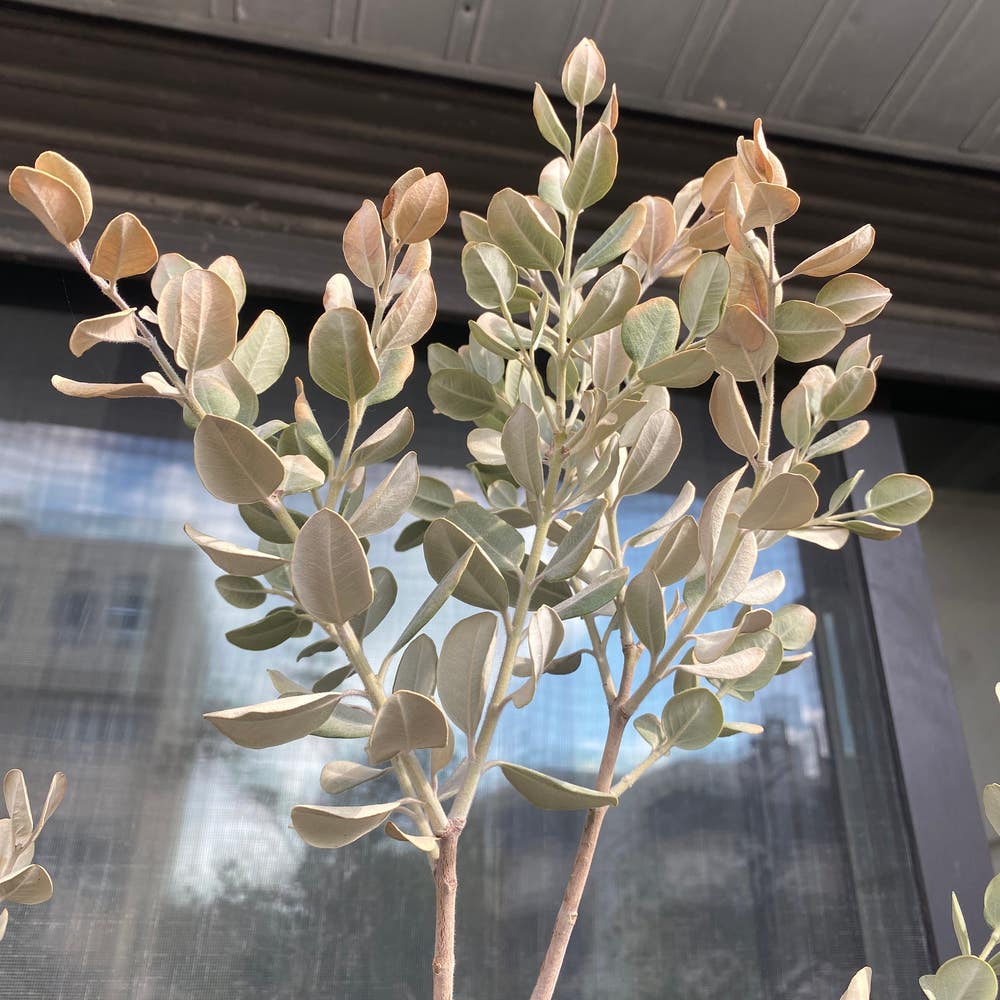
Ohi'a Lehua can show clear signs of temperature stress, which can be categorized into cold and heat stress. Cold stress manifests as wilting, leaf drop, and discoloration, while heat stress presents as scorched leaves, stunted growth, and reduced flowering.
To catch these issues early, keep an eye out for visual indicators like leaf curling or unusual color changes. Monitoring these symptoms can help you take action before the plant suffers too much.
❄️ Causes of Temperature Stress
Temperature stress in Ohi'a Lehua often stems from environmental extremes. Cold stress typically occurs with prolonged exposure to temperatures below 50°F (10°C), while heat stress arises from sustained temperatures above 85°F (29°C) or sudden spikes.
Additionally, microclimates can exacerbate these conditions. Factors like shade, wind exposure, and surrounding vegetation can create localized temperature variations that impact plant health.
🌱 Recovery Strategies for Temperature-Stressed Plants
When you notice symptoms of temperature stress, immediate action is crucial. Start by adjusting the plant's location to a more temperature-controlled environment. Providing shade or windbreaks can also help during periods of heat stress.
For long-term resilience, consider soil amendments to improve moisture retention. Regular monitoring of temperature and plant health will enable you to respond proactively to any future stressors, ensuring your Ohi'a Lehua thrives.
As we explore the geographic and environmental considerations next, understanding how elevation impacts temperature needs will further enhance your care for this remarkable plant.
Geographic and Environmental Considerations
Impact of Elevation on Temperature Needs 🌄
Elevation plays a crucial role in shaping the temperature and microclimates across Hawaii. As you ascend, temperatures typically drop, creating unique environments that influence the growth of Ohi'a Lehua.
Ohi'a Lehua has adapted remarkably to these varying conditions. At lower elevations, where temperatures are warmer, you’ll find these trees thriving in lush, tropical settings. Conversely, at higher elevations, they exhibit resilience to cooler temperatures, showcasing their versatility.
For instance, Ohi'a Lehua can be found flourishing at elevations ranging from sea level to over 6,000 feet. This adaptability not only highlights their ecological importance but also their ability to survive in diverse habitats.
Adaptations to Temperature Extremes ❄️
Ohi'a Lehua possesses unique physiological traits that enable it to withstand temperature fluctuations. These adaptations include specialized leaf structures that minimize water loss and enhance photosynthesis, crucial for survival in both hot and cold conditions.
Moreover, the tree employs resilience mechanisms in response to environmental stressors. For example, during extreme heat, Ohi'a Lehua can enter a state of dormancy, conserving energy until conditions improve.
Culturally, Ohi'a Lehua holds significant importance in Hawaiian traditions, symbolizing strength and adaptability. Its ability to thrive in challenging environments resonates deeply with the values of resilience and perseverance in Hawaiian culture.
Understanding these adaptations not only enriches our appreciation for Ohi'a Lehua but also emphasizes the importance of preserving its natural habitats. As we explore temperature management techniques next, we’ll see how these insights can help us care for this remarkable tree.
Temperature Management Techniques
Best Practices for Maintaining Optimal Temperatures 🌡️
Choosing the right planting location is crucial for Ohi'a Lehua. Look for areas that naturally regulate temperature, such as spots with partial shade or near larger plants that provide shelter.
Mulching is another effective strategy. It helps retain soil moisture and insulates roots against temperature fluctuations, creating a more stable environment for growth. Additionally, managing soil health through regular amendments can significantly impact temperature control.
Humidity also plays a role in temperature management. Higher humidity levels can help mitigate extreme heat, making it essential to consider local climate conditions when planning your garden.
Use of Shade or Protection from Extreme Temperatures 🛡️
During peak heat periods, providing shade is vital for the health of Ohi'a Lehua. You can achieve this by planting taller species nearby or using shade cloth to shield your plants from direct sunlight.
Protective structures, like trellises or pergolas, can also be beneficial. Companion planting with species that thrive in similar conditions can create a microclimate that helps mitigate temperature extremes.
Using natural barriers, such as hedges or fences, can provide additional protection. These methods not only shield plants but also enhance the overall aesthetic of your garden.
Monitoring Temperature Changes and Plant Response 📊
Monitoring temperature around Ohi'a Lehua is essential for proactive management. Use simple tools like thermometers or more advanced technology, such as temperature sensors, to keep track of fluctuations.
Observing plant responses to temperature changes is equally important. Look for signs of stress, such as wilting or discoloration, to address issues before they escalate.
Utilizing technology can streamline this process. Automated systems can alert you to significant temperature changes, allowing for timely interventions to protect your plants.
By implementing these temperature management techniques, you can create a thriving environment for Ohi'a Lehua, ensuring its health and resilience in the face of temperature challenges. Next, we will explore the impact of elevation on temperature needs and how it affects the growth of this remarkable plant.
⚠️ Safety First
This content is for general information and may contain errors, omissions, or outdated details. It is not medical, veterinary advice, or an endorsement of therapeutic claims.
Always consult a qualified healthcare professional before using any plant as food, medicine, or supplement.
Never eat any plant (or feed one to pets) without confirming its identity with at least two trusted sources.
If you suspect poisoning, call Poison Control (800) 222-1222, the Pet Poison Helpline (800) 213-6680, or your local emergency service immediately.
Spotted an error? Please report it here.
Keep your Ohi'a Lehua thriving 🌿 through temperature extremes by using Greg's tailored alerts and expert tips to ensure it stays healthy and happy!