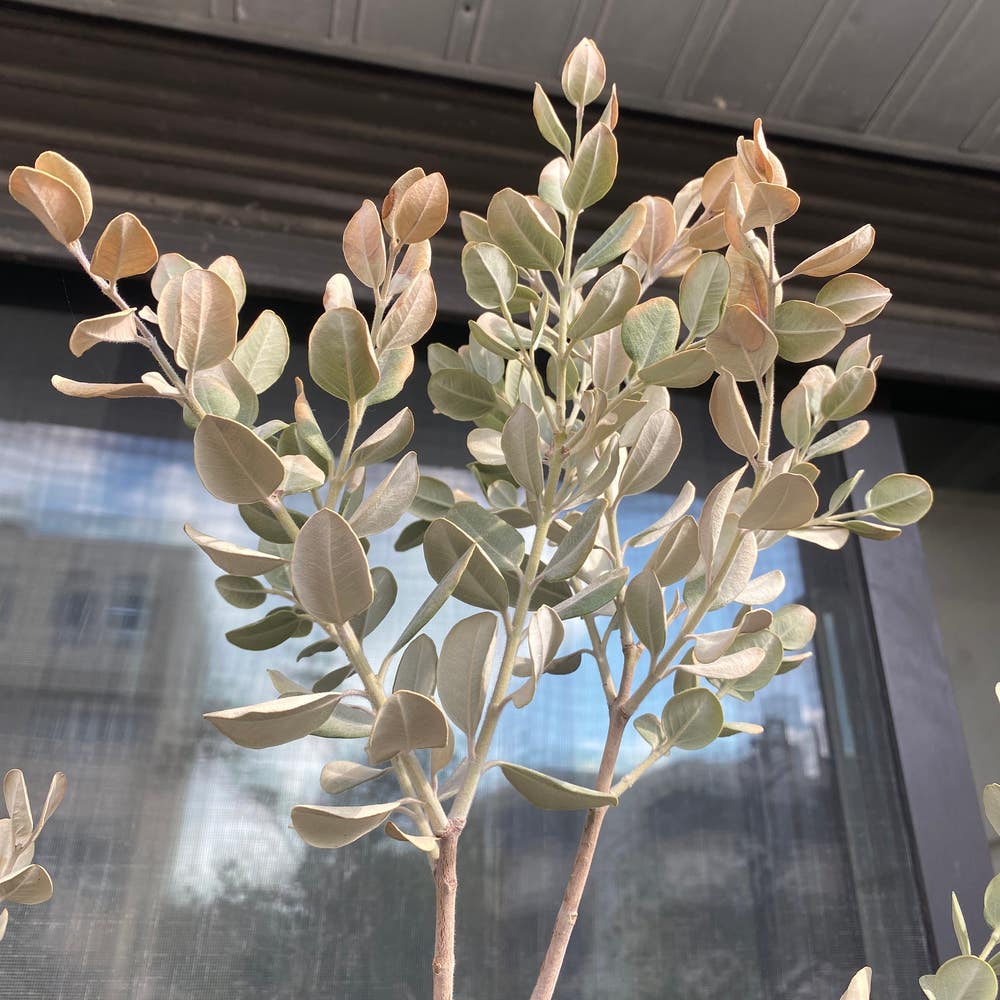
🌺 Step-by-Step Guide for How to Plant Ohi'a Lehua
Metrosideros polymorpha
By the Greg Editorial Team
Nov 22, 2024•4 min read
This article was created with the help of AI so we can cover more plants for you. May contain errors. See one? Report it here.
- 🌱 Best time to plant Ohi'a Lehua is early spring to early summer.
- 🌋 Use a well-draining soil mix: 50% volcanic soil, 30% compost, 20% perlite.
- 💧 Regular watering is crucial until established; avoid waterlogging to prevent root rot.
Planting New Ohi'a Lehua
🌱 Optimal Timing for Planting
The best time to plant Ohi'a Lehua is from early spring to early summer. This period offers warm temperatures that encourage healthy growth, but always consider your local climate and rainfall patterns to ensure success.
🪴 Selecting the Right Soil Mix and Containers
Ohi'a Lehua thrives in well-draining volcanic soil. A recommended soil mix includes:
- 50% volcanic soil
- 30% compost
- 20% perlite for aeration
For container gardening, choose pots with drainage holes and ensure they are at least 12 inches in diameter for young plants.
📏 Proper Depth and Spacing for Planting
When planting, ensure the root ball is level with the surrounding soil. Maintain a minimum spacing of 10-15 feet between plants to accommodate their mature size and spread.
☀️ Maintaining Ideal Growing Conditions
Regular watering is crucial until the plants are established, but avoid waterlogging. Ohi'a Lehua prefers full sun to partial shade, requiring 6-8 hours of sunlight daily.
To retain moisture and suppress weeds, apply a 2-3 inch layer of organic mulch around the base of the plants.
🌳 Hardening Off Process Before Outdoor Planting
Hardening off is essential for acclimating young plants to outdoor conditions. Follow these steps:
- Start by placing plants outdoors for 1-2 hours in a shaded area.
- Gradually increase their exposure to sunlight and outdoor conditions over 7-10 days.
- Keep an eye out for signs of stress, such as wilting or leaf burn.
By following these guidelines, you'll set your Ohi'a Lehua up for a thriving life in your garden. Next, we’ll explore how to successfully transplant established Ohi'a Lehua.
Transplanting Established Ohi'a Lehua
🌱 Optimal Timing for Transplanting
The best time to transplant your Ohi'a Lehua is during late fall to early spring. This period aligns with the plant's dormancy, reducing stress and promoting successful establishment.
🛠️ Step-by-Step Instructions for Transplanting
1. Prepare the New Planting Site
Begin by clearing the area of weeds and debris. Amend the soil with compost to enhance fertility and ensure good drainage.
2. Remove the Plant from Its Current Location
Water the plant a day before transplanting to minimize stress. Carefully dig around the root zone, preserving as much soil as possible to protect the roots.
3. Place the Plant in the New Site
Position the plant so that the root ball is level with the surrounding soil. Fill in with soil and gently tamp it down to eliminate any air pockets.
📏 Space Requirements for Established Plants
Ensure a minimum spacing of 10-15 feet between each plant. This distance allows for optimal growth and considers the mature size of the Ohi'a Lehua.
💧 Tips for Watering, Mulching, and Support
Watering
After transplanting, water thoroughly and maintain consistent moisture levels. This is crucial for helping the plant settle into its new environment.
Mulching
Apply a 2-3 inch layer of mulch around the base. This helps retain moisture and suppresses weeds, giving your plant a better chance to thrive.
Support
If your Ohi'a Lehua is taller, consider using stakes for support. This prevents wind damage and ensures stability as the plant establishes itself.
Transplanting can be a delicate process, but with the right timing and care, your Ohi'a Lehua will flourish in its new home. Next, let’s explore troubleshooting common issues that may arise during this journey.
Troubleshooting Common Issues
🥴 Understanding Transplant Shock
Transplant shock can be a real hurdle for your Ohi'a Lehua. Symptoms include wilting, yellowing leaves, and stunted growth, often signaling that the plant is struggling to adjust.
The primary causes of transplant shock are root disruption during the move and environmental stress. It’s crucial to recognize these signs early to help your plant recover.
🏗️ Addressing Establishment Problems
If your Ohi'a Lehua shows poor growth, leaf drop, or increased susceptibility to diseases, it may be facing establishment issues. These problems can stem from inadequate watering or unsuitable soil conditions.
To combat these issues, ensure your plant receives proper watering and that the soil is well-draining. Additionally, keep an eye out for pests and diseases, particularly Rapid Ohia Death (ROD), which can severely impact your plant's health.
🛠️ Solutions for Common Planting/Transplanting Challenges
Overcoming transplant shock is essential for your plant's recovery. Start by providing shade for a few days after transplanting to minimize stress.
Avoid fertilizing immediately after the move; wait until your Ohi'a Lehua shows signs of recovery. This patience can make a significant difference in its adaptation.
Regular monitoring for pests and diseases is vital to ensure healthy growth. By staying proactive, you can help your Ohi'a Lehua thrive in its new environment.
With these strategies in mind, you’re well-equipped to tackle any challenges that arise during the planting or transplanting process. Next, let’s explore how to maintain your Ohi'a Lehua for optimal growth.
⚠️ Safety First
This content is for general information and may contain errors, omissions, or outdated details. It is not medical, veterinary advice, or an endorsement of therapeutic claims.
Always consult a qualified healthcare professional before using any plant as food, medicine, or supplement.
Never eat any plant (or feed one to pets) without confirming its identity with at least two trusted sources.
If you suspect poisoning, call Poison Control (800) 222-1222, the Pet Poison Helpline (800) 213-6680, or your local emergency service immediately.
Spotted an error? Please report it here.
Transform your garden with thriving Ohi'a Lehua 🌺 by using Greg's tailored watering alerts and expert tips to ensure your plants flourish every step of the way!