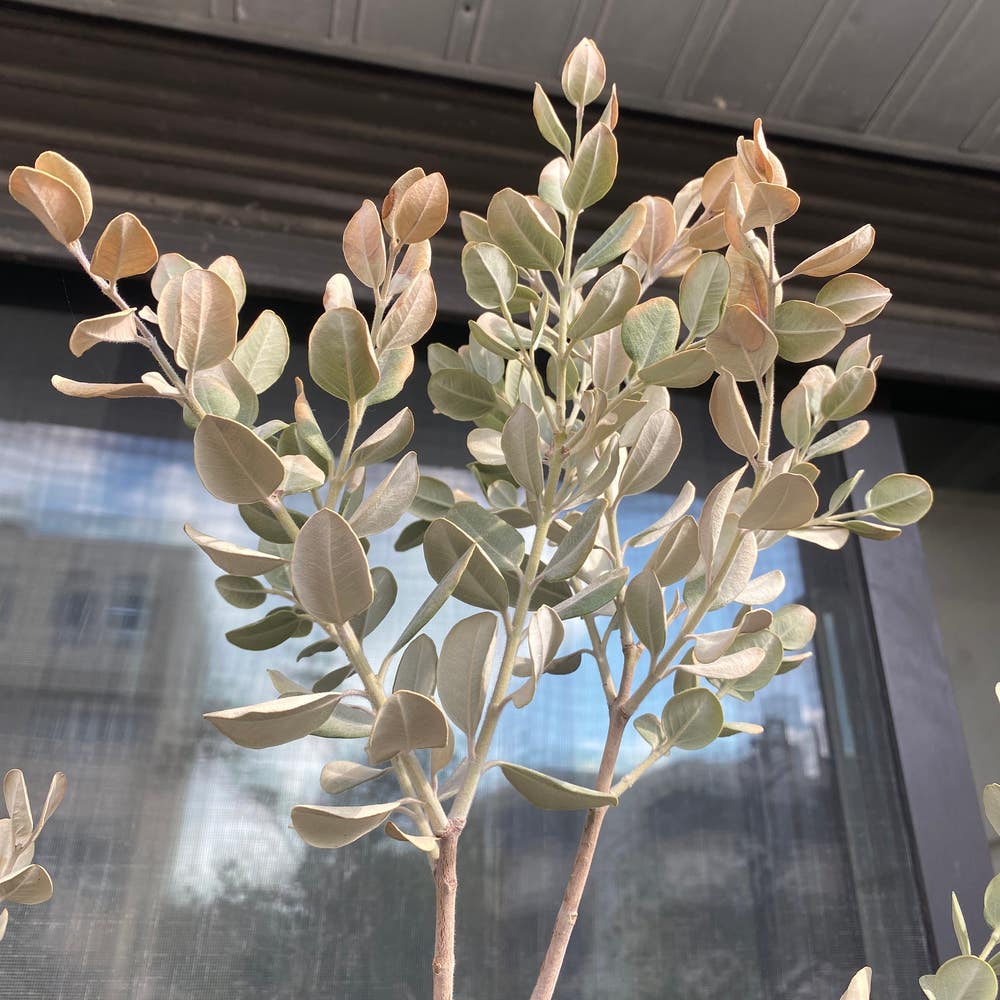
Growing Your Ohi'a Lehua Outdoors 🌺
Metrosideros polymorpha
By the Greg Editorial Team
Nov 22, 2024•6 min read
This article was created with the help of AI so we can cover more plants for you. May contain errors. See one? Report it here.
- ☀️ Ohi'a Lehua needs 6-8 hours of sunlight daily for optimal growth.
- 💧 Regular watering and deep irrigation promote healthy root development and moisture retention.
- 🌱 Well-draining volcanic soil with pH 6.0-7.0 is ideal for thriving plants.
Outdoor Care Requirements
🌞 Sunlight Needs
Ohi'a Lehua thrives in full sun, requiring 6 to 8 hours of direct sunlight daily. Insufficient sunlight can lead to stunted growth and fewer flowers, so ensure your plant gets the light it craves.
💧 Watering Requirements and Techniques
During dry spells, regular watering is essential. Allow the soil to dry slightly between waterings to promote healthy root development.
Techniques for Effective Watering
- Deep Watering: This encourages roots to grow deeper, enhancing stability and nutrient access.
- Drip Irrigation: An efficient method that delivers water directly to the roots, minimizing waste.
🌱 Soil Preferences and Amendments
Ohi'a Lehua prefers well-draining volcanic or sandy soils. Aim for a soil pH between 6.0 and 7.0 for optimal growth.
Soil Amendments
Incorporate organic matter to improve soil structure and drainage. This not only benefits your plant but also enhances the overall health of your garden.
🥦 Fertilization Schedule and Types
Fertilize every 6 to 8 weeks during the growing season to keep your Ohi'a Lehua thriving.
Recommended Fertilizers
- Balanced NPK Fertilizer (10-10-10): Provides essential nutrients for growth.
- Organic Options: Compost is a great choice for enriching the soil naturally.
By following these outdoor care requirements, you’ll set your Ohi'a Lehua up for success. Next, let’s explore the various planting options available to you.
Planting Options
🌱 Benefits of Container Planting
Container planting offers remarkable mobility. You can easily relocate your Ohi'a Lehua based on sunlight and weather conditions, ensuring optimal growth.
Another advantage is the control over soil quality. You can customize your soil mix, tailoring it for the best possible growth environment.
🚧 Drawbacks of Container Planting
However, container planting has its limitations. The restricted root space may hinder growth and overall health, impacting the plant's vitality.
Additionally, containers tend to have increased watering needs. They dry out faster than ground soil, requiring more frequent attention.
🌍 Benefits of Ground Planting
On the other hand, ground planting provides a natural growth potential. With more space for roots to expand, your Ohi'a Lehua can access essential nutrients more effectively.
Ground soil also offers better moisture retention. It typically retains moisture longer, reducing the frequency of watering.
⚠️ Drawbacks of Ground Planting
Yet, ground planting comes with its own set of challenges. You have less control over soil conditions, which may necessitate amendments based on local soil quality.
Moreover, plants in the ground are more vulnerable to pests and diseases. They face increased exposure to outdoor threats, which can impact their health.
⚖️ Choosing the Right Method
When deciding between container and ground planting, consider several key factors. Space availability, climate conditions, and your personal gardening preferences all play a crucial role.
For small spaces, containers are a great choice. They allow for flexibility and easy management. Conversely, for larger areas, ground planting is often ideal, providing ample room for your Ohi'a Lehua to thrive.
As you weigh your options, remember that both methods have their unique benefits and challenges. Choose the one that aligns best with your gardening goals and lifestyle.
Protection from Environmental Factors
🌬️ Weather Protection Strategies
To keep your Ohi'a Lehua thriving, consider implementing weather protection strategies. Windbreaks are essential; using fencing or planting other vegetation can shield your plants from strong winds that may cause damage.
Mulching is another effective technique. Applying organic mulch around the base of your plants not only protects the roots but also helps retain moisture, ensuring your plants stay hydrated during dry spells.
🐛 Common Outdoor Pests and Management
Being aware of common pests is crucial for maintaining the health of your Ohi'a Lehua. Look out for aphids, scale insects, and caterpillars, as these can wreak havoc on your plants if left unchecked.
For pest control, consider using insecticidal soap or neem oil. Additionally, introducing beneficial insects like ladybugs can help keep pest populations in check naturally.
🦠 Diseases and Prevention Methods
One of the most serious threats to your Ohi'a Lehua is Rapid Ohia Death (ROD), a disease caused by a fungal pathogen. Symptoms include wilting and leaf drop, which can quickly lead to plant decline.
To prevent ROD, focus on maintaining plant health through proper care. Avoid overwatering, as excess moisture can create an environment conducive to fungal growth. Regular monitoring and proactive care can make a significant difference in your plant's resilience.
By implementing these protective measures, you can help your Ohi'a Lehua flourish despite environmental challenges. Next, let’s explore how to provide seasonal care to keep your plants thriving year-round.
Seasonal Care
🌱 Seasonal changes and impact
Understanding the seasonal growth patterns of your Ohi'a Lehua is crucial for its health. Expect active growth during spring and summer, while the plant will enter a dormant phase in winter.
🌼 Spring care tips
Spring is the perfect time to rejuvenate your plant. Start by pruning away any dead or damaged branches to encourage fresh growth.
Next, apply a balanced fertilizer as new growth begins. This will provide essential nutrients to support the plant's revitalization.
☀️ Summer care tips
As temperatures rise, increase your watering frequency during hot, dry spells. Keeping the soil adequately moist will help your Ohi'a Lehua thrive.
Additionally, monitor for pests and diseases regularly. Early detection can save your plant from potential damage.
🍂 Fall care tips
As fall approaches, it's time to prepare your Ohi'a Lehua for winter. Begin by reducing watering as temperatures start to drop.
Adding mulch around the base of the plant will help protect the roots from cold temperatures. This simple step can make a significant difference in winter survival.
❄️ Winter care tips
During winter, protecting your Ohi'a Lehua from frost is essential. Use frost cloths or move containers to sheltered areas to shield them from harsh conditions.
Watering should be minimal; only water if the soil is extremely dry. This will help prevent root rot and ensure your plant remains healthy until spring returns.
With these seasonal care tips, your Ohi'a Lehua will be well-equipped to flourish throughout the year. Next, let’s explore climate zone considerations to further enhance your gardening success.
Climate Zone Considerations
🌍 Best climate zones
Ohi'a Lehua thrives best in USDA zones 10-11, where the temperatures are mild and conducive to growth. While it can adapt to various conditions, it truly flourishes in warm, humid environments.
⚠️ Special considerations
When caring for Ohi'a Lehua, it's essential to consider whether you're in a tropical or temperate climate. Each has unique characteristics that may require adjustments in your care practices.
In tropical regions, the humidity and warmth can promote rapid growth, while temperate zones may necessitate more protective measures during colder months. If you're in an area prone to drought, implementing water conservation techniques will be crucial for maintaining plant health.
🔄 Adapting care practices
Seasonal adjustments are vital for the success of your Ohi'a Lehua. Modify your watering and fertilization schedules based on local weather patterns to ensure your plant receives the right care throughout the year.
Additionally, keep an eye on local pests and diseases. Staying informed about region-specific threats will help you take proactive measures to protect your plants and promote their longevity.
With the right knowledge and adjustments, you can cultivate a thriving Ohi'a Lehua that adds beauty to your outdoor space.
⚠️ Safety First
This content is for general information and may contain errors, omissions, or outdated details. It is not medical, veterinary advice, or an endorsement of therapeutic claims.
Always consult a qualified healthcare professional before using any plant as food, medicine, or supplement.
Never eat any plant (or feed one to pets) without confirming its identity with at least two trusted sources.
If you suspect poisoning, call Poison Control (800) 222-1222, the Pet Poison Helpline (800) 213-6680, or your local emergency service immediately.
Spotted an error? Please report it here.
Nurture your Ohi'a Lehua to bloom beautifully 🌺 by using Greg's tailored reminders and expert tips for optimal sunlight, watering, and pest management!