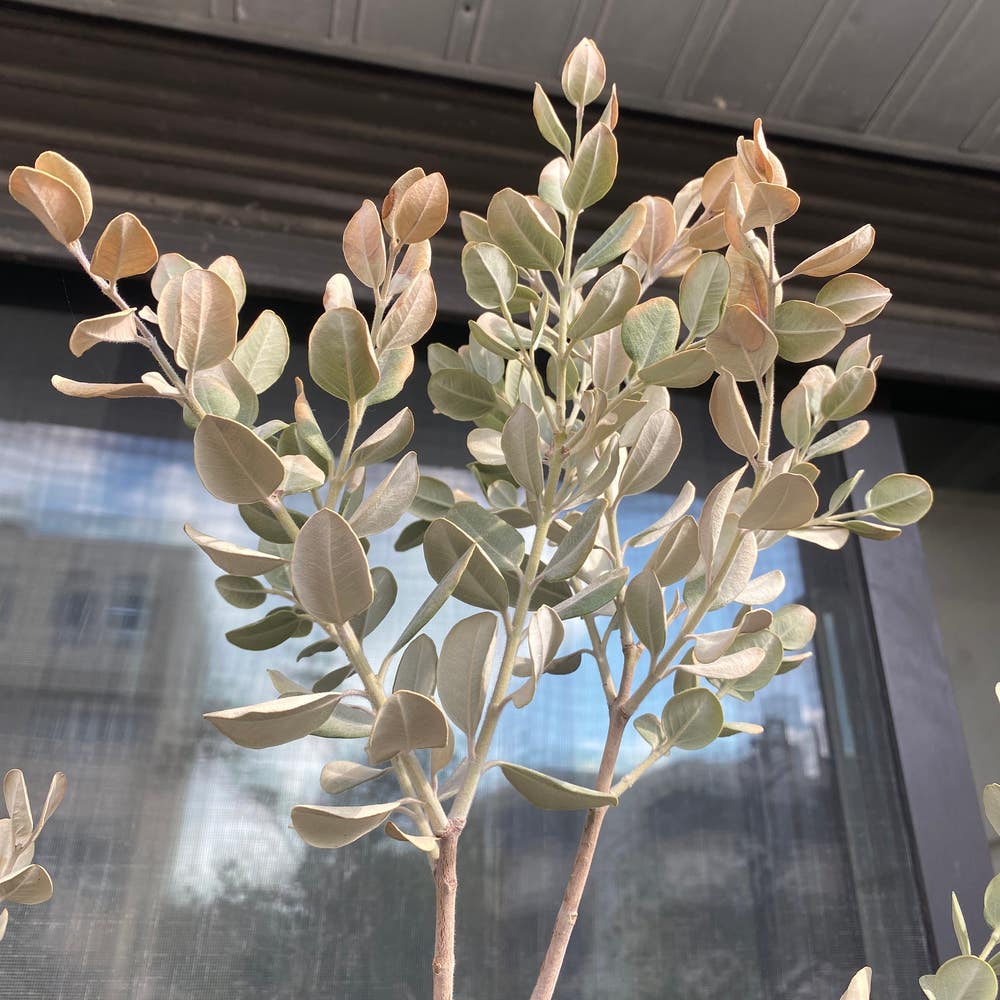
🌺 7 Essential Steps to Grow Healthy Lehua
Metrosideros polymorpha
By the Greg Editorial Team
Nov 08, 2024•5 min read
This article was created with the help of AI so we can cover more plants for you. May contain errors. See one? Report it here.
- 🌞 Lehua needs 6-8 hours of sunlight daily for optimal growth.
- 🌴 Tropical climates like Hawaii are ideal for thriving Lehua plants.
- 🌱 Well-draining soil and proper watering prevent root rot and promote health.
Choosing the Right Location
🌞 Outdoor Location Selection
When growing healthy Lehua, selecting the right outdoor location is crucial. These plants thrive in full sun, requiring 6 to 8 hours of direct sunlight daily to flourish.
The ideal climate for Lehua is warm and tropical, mirroring the conditions found in Hawaii. Additionally, consider wind protection; planting near natural barriers like trees or hills can shield your plants from strong winds, ensuring they remain healthy and stable.
🪴 Container Location Selection
If you're opting for container gardening, choose a pot that is at least 5 gallons in size. This size provides adequate root space, allowing your Lehua to grow robustly.
Placement is key—ensure your container receives plenty of sunlight while also being protected from extreme weather conditions. Don't forget about drainage; always use pots with drainage holes to prevent waterlogging, which can harm your plants.
By carefully considering these location factors, you set the stage for your Lehua to thrive. Next, we’ll dive into the essential steps for soil preparation, ensuring your plants have the best foundation for growth.
Soil Preparation
🌱 Soil Type and Composition
To grow healthy Lehua, start with the right soil. The ideal choice is well-draining volcanic soil or sandy loam, which allows roots to breathe and thrive.
Enhance your soil's fertility by incorporating organic matter, such as compost. This not only boosts nutrient levels but also improves soil structure, making it more hospitable for your plants.
⚖️ Soil pH and Drainage
Maintaining the correct soil pH is crucial for Lehua growth. Aim for a pH range of 6.0 to 7.5 to ensure optimal nutrient uptake.
To improve drainage, consider using raised beds or mounds. These techniques help prevent waterlogging, which can lead to root rot and other issues.
With the right soil preparation, your Lehua will have a strong foundation for growth. Next, let’s explore effective planting techniques to get your seedlings off to a great start.
Planting Techniques
Planting lehua can be a rewarding experience, whether you choose to start from seeds or transplant seedlings. Each method has its unique steps and considerations to ensure your plants thrive.
🌱 Planting from Seeds
Starting with seeds is a straightforward process.
Seed preparation: Begin by soaking the seeds in water for 24 hours before planting. This helps to soften the seed coat and encourages germination.
Sowing depth: Once prepared, plant the seeds about 1/4 inch deep in your well-draining soil. This depth provides the right balance of moisture and warmth for optimal growth.
Germination time: Expect germination to take between 2 to 4 weeks under warm conditions. Keep the soil consistently moist but not waterlogged during this period.
🌿 Transplanting Seedlings
Transplanting seedlings is another effective way to grow lehua.
Timing: Wait until your seedlings have developed 2 to 3 sets of true leaves before transplanting. This indicates they are strong enough to handle the transition.
Spacing: When planting outdoors, space the seedlings 10 to 15 feet apart. This distance allows each plant ample room to grow and flourish without competing for resources.
Hardening off: Before moving them outside permanently, gradually acclimate your seedlings to outdoor conditions over 1 to 2 weeks. This process helps them adjust to sunlight and wind, reducing transplant shock.
By following these planting techniques, you set the stage for healthy lehua growth. Next, let’s explore the essential aspects of watering and fertilizing your plants to ensure they thrive.
Watering and Fertilizing
💧 Watering Requirements
Proper watering is crucial for the health of your Lehua plants. In the initial weeks after planting, keep the soil consistently moist to encourage strong root development.
Once established, water deeply every 2-3 weeks. Allow the soil to dry out between watering sessions to prevent root rot.
Be vigilant for signs of overwatering, such as yellowing leaves and wilting, even when moisture levels seem adequate. These symptoms can indicate that your plant is struggling, so adjust your watering routine accordingly.
🌱 Fertilizing Schedule and Techniques
Fertilizing your Lehua is essential for vibrant growth. Aim to fertilize every 6-8 weeks during the growing season to provide the necessary nutrients.
A balanced NPK fertilizer, like a 10-10-10 mix, works well, but don't shy away from organic options if you prefer a more natural approach.
When applying fertilizer, spread it around the base of the plant, ensuring it doesn't come into direct contact with the stems. This method helps to nourish the roots effectively while minimizing the risk of damage to the plant.
With the right watering and fertilizing practices, your Lehua can thrive beautifully. Next, let’s explore common challenges and solutions to keep your plants healthy and flourishing.
Common Challenges and Solutions
🐛 Identifying Common Pests and Diseases
Common Pests
Aphids are a frequent nuisance for Lehua plants. You can spot them by the curled leaves and sticky residue they leave behind.
Scale insects are another pest to watch for. They appear as small, raised bumps on the stems and leaves, often causing damage if left untreated.
Common Diseases
Root rot is a serious concern, especially if you overwater. Symptoms include wilting and yellowing leaves, signaling that your plant is struggling.
Leaf spot is another issue, characterized by brown or black spots on the leaves. This typically indicates a fungal infection that needs addressing.
🛠️ Solutions for Common Growing Problems
For pest control, consider using insecticidal soap or neem oil. These methods are effective and help manage pest populations without harsh chemicals.
To prevent diseases, ensure proper drainage in your planting area. Avoid overhead watering to minimize fungal risks and keep your Lehua thriving.
By staying vigilant and proactive, you can overcome these challenges and enjoy a healthy, flourishing Lehua garden. Next, let’s explore the essential watering and fertilizing techniques to keep your plants nourished.
⚠️ Safety First
This content is for general information and may contain errors, omissions, or outdated details. It is not medical, veterinary advice, or an endorsement of therapeutic claims.
Always consult a qualified healthcare professional before using any plant as food, medicine, or supplement.
Never eat any plant (or feed one to pets) without confirming its identity with at least two trusted sources.
If you suspect poisoning, call Poison Control (800) 222-1222, the Pet Poison Helpline (800) 213-6680, or your local emergency service immediately.
Spotted an error? Please report it here.
Grow your Lehua plants thriving like in Hawaii 🌺 with Greg's tailored watering alerts and expert tips to ensure they get the sunlight and care they need!