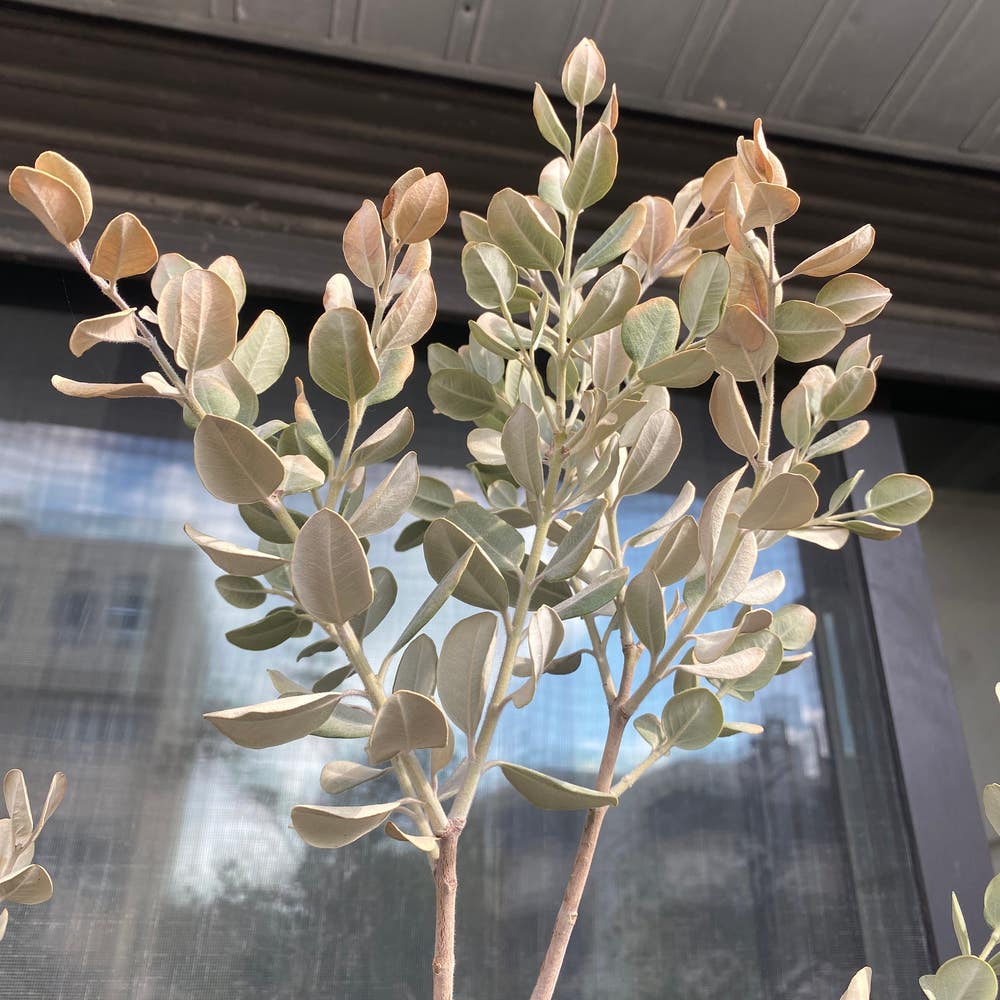
Reasons Lehua Leaves Turn Yellow
Metrosideros polymorpha
By the Greg Editorial Team
Nov 08, 2024•5 min read
This article was created with the help of AI so we can cover more plants for you. May contain errors. See one? Report it here.
- 🌱 Yellow leaves indicate nutrient deficiencies, especially nitrogen and iron.
- 💧 Overwatering and underwatering both cause yellowing; maintain consistent moisture for health.
- 🐛 Pests and diseases can lead to yellowing; regular inspections are essential for prevention.
Causes of Yellowing Leaves
🌱 Nutrient Deficiencies
Nitrogen Deficiency
Yellowing leaves, particularly older ones, can signal a nitrogen deficiency. This essential nutrient is crucial for chlorophyll production, which directly impacts plant vigor and growth.
Iron Deficiency
If you notice yellowing between leaf veins while the veins themselves remain green, your Lehua may be suffering from iron deficiency. Iron plays a vital role in photosynthesis and enzyme function, making it essential for healthy foliage.
💧 Overwatering and Root Rot
Signs of Overwatering
Overwatering can lead to yellowing leaves, wilting, and mushy stems. Lehua thrives in well-draining volcanic soils that prevent excess water accumulation.
How to Check for Root Rot
- Gently remove the plant from its pot.
- Inspect the roots: Healthy roots should be white and firm, while brown, mushy roots indicate rot.
- Treatment involves trimming affected roots and repotting in fresh, well-draining soil.
🚰 Underwatering
Symptoms of Underwatering
Underwatering manifests as wilting, dry leaf edges, and yellowing of younger leaves. Consistent moisture is key, especially during dry spells.
Recovery Tips
- Gradually increase your watering frequency.
- Ensure the soil retains moisture without becoming waterlogged.
🐛 Pests and Diseases
Common Pests Affecting Lehua
Watch out for aphids, small green insects that cause leaf curling and yellowing. Scale insects, with their hard, shell-like appearance, suck sap from leaves, leading to similar symptoms.
Fungal Infections
Fungal infections can also cause yellowing leaves, often accompanied by spots or mold. To prevent these issues, ensure good air circulation and avoid overhead watering.
🌡️ Environmental Stress
Temperature Fluctuations
Lehua prefers a temperature range of 60°F to 80°F (15°C to 27°C). Extreme temperature changes can stress the plant, resulting in yellowing leaves.
Light Conditions
These plants thrive in full sun to partial shade. Inadequate light can lead to yellowing leaves and leggy growth, signaling the need for a brighter location.
Understanding these causes of yellowing leaves is crucial for maintaining a healthy Lehua. By addressing nutrient deficiencies, watering practices, pests, and environmental conditions, you can help your plant thrive. Next, we’ll explore how to diagnose yellow leaves effectively.
Diagnosing Yellow Leaves
👀 Visual Symptoms to Look For
When diagnosing yellow leaves on your Lehua, pay attention to the color changes. Gradual yellowing often indicates nutrient deficiencies, while sudden yellowing can signal more immediate issues.
Leaf texture is equally important. If you notice wilting or crisping leaves, these symptoms can point to different underlying problems that need addressing.
🩺 How to Assess Plant Health
To assess the overall health of your Lehua, start by checking its growth. Healthy plants should exhibit robust stems and vibrant foliage, which are signs of good care.
Next, inspect the soil moisture. Using a moisture meter or simply testing with your finger can help you determine if your plant is getting the right amount of water.
🧪 Importance of Soil Testing
Soil testing is crucial for maintaining optimal conditions for your Lehua. The ideal pH range for these plants is between 6.0 and 7.5, ensuring they can absorb nutrients effectively.
Additionally, conducting soil tests can reveal nutrient levels, helping you identify any deficiencies or imbalances that may be affecting your plant's health.
By keeping an eye on these factors, you can ensure your Lehua thrives and avoids the dreaded yellow leaves. Next, we’ll explore effective treatments for yellowing leaves to restore your plant’s vibrancy.
Treating Yellow Leaves
Step-by-Step Treatment for Nutrient Deficiencies 🌱
Identifying the type of nutrient deficiency is crucial. Check if your Lehua is suffering from nitrogen or iron deficiency.
Once identified, apply the appropriate fertilizer. Use a balanced fertilizer for nitrogen deficiencies and iron chelate for iron issues.
Monitor your plant's response closely. Look for improvements in leaf color within 2-4 weeks to gauge the effectiveness of your treatment.
Adjusting Watering Practices 💧
Establishing a consistent watering schedule is essential. Water your Lehua when the top inch of soil feels dry to the touch.
Using well-draining pots is equally important. This ensures that excess water can escape, preventing root rot and other moisture-related issues.
Pest Control Methods 🐞
Manual removal of pests can be effective. Handpick any visible pests or use a strong spray of water to dislodge them from your plant.
For more severe infestations, consider using insecticidal soap. Follow the instructions carefully to control pest populations without harming your plant.
Environmental Adjustments 🌍
Relocating your plant can make a significant difference. Ensure it receives adequate sunlight and is shielded from extreme temperatures.
Additionally, consider mulching around your Lehua. Organic mulch helps retain soil moisture and regulates temperature, creating a more stable environment for growth.
By addressing these areas, you can help your Lehua thrive and prevent further yellowing of leaves. Next, let’s explore how to prevent yellow leaves from occurring in the first place.
Preventing Yellow Leaves
🌱 Best Practices for Care
To keep your Lehua healthy, start with the right soil conditions. A well-draining, volcanic soil mix is ideal, as it allows excess moisture to escape and prevents root rot.
Regular fertilization is also crucial. During the growing season, feed your plant with a balanced fertilizer to ensure it receives the nutrients it needs to thrive.
✂️ Regular Maintenance Tips
Pruning is an essential part of Lehua care. Regularly trim dead or yellowing leaves to encourage new growth and improve air circulation, which helps prevent disease.
Additionally, keep an eye out for pests. Regular inspections of leaves and stems can help you catch infestations early, ensuring your plant stays healthy.
🌦️ Seasonal Considerations
Adjusting your watering frequency is vital, especially during dry seasons. Increase moisture during hot months to keep your Lehua hydrated and happy.
Finally, protect your plant from frost. Use coverings or relocate it indoors during cold snaps to prevent damage and ensure it continues to flourish.
By following these preventive measures, you can maintain the vibrant health of your Lehua and enjoy its beauty year-round. Next, let’s explore how to diagnose yellow leaves effectively.
⚠️ Safety First
This content is for general information and may contain errors, omissions, or outdated details. It is not medical, veterinary advice, or an endorsement of therapeutic claims.
Always consult a qualified healthcare professional before using any plant as food, medicine, or supplement.
Never eat any plant (or feed one to pets) without confirming its identity with at least two trusted sources.
If you suspect poisoning, call Poison Control (800) 222-1222, the Pet Poison Helpline (800) 213-6680, or your local emergency service immediately.
Spotted an error? Please report it here.
Revive your Lehua's vibrant leaves 🌿 by using Greg's tailored watering schedules and nutrient alerts to tackle yellowing issues head-on!