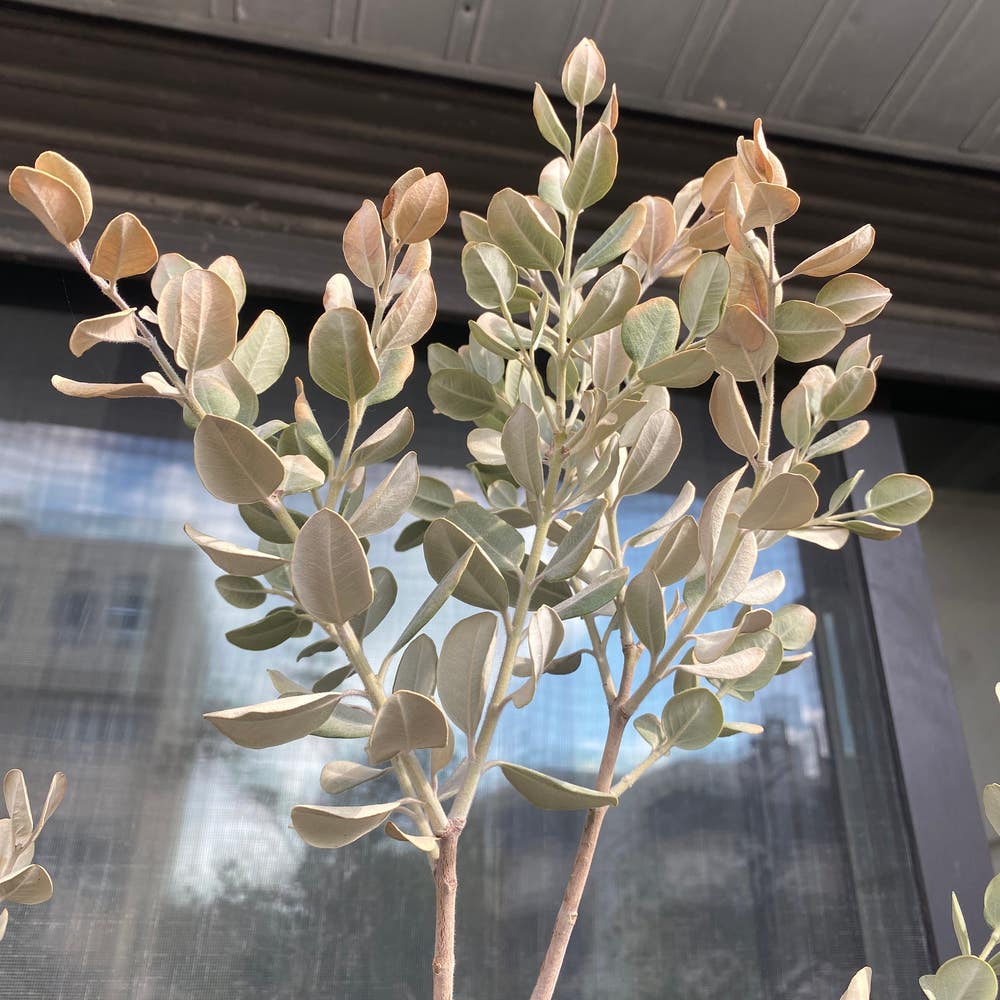
✂️ How and When to Cut Back Your Lehua
Metrosideros polymorpha
By the Greg Editorial Team
Nov 08, 2024•4 min read
This article was created with the help of AI so we can cover more plants for you. May contain errors. See one? Report it here.
- 🌱 Prune Lehua in early spring and late summer for best growth and health.
- ✂️ Look for overgrown branches and reduced blooms to know when to prune.
- 🚫 Avoid pruning during dormancy in late fall and winter to prevent stunted growth.
Timing for Pruning
Best Seasons 🌱
Pruning your Lehua at the right time is crucial for its health and vibrancy. The best seasons to prune are early spring, just before new growth begins, and late summer, after the flowering has finished.
Signs that Pruning is Needed 🔍
Recognizing when to prune is essential for maintaining your plant's vitality. Look for overgrown branches that crowd or obstruct other plants, dead or damaged branches indicating disease, and reduced flowering, which signals a need for rejuvenation.
Timing Considerations ⏰
Timing is everything when it comes to pruning. Focus on active growth periods in spring and summer, and avoid pruning during dormancy in late fall and winter to ensure your Lehua thrives.
With these guidelines in mind, you can confidently approach the next steps in caring for your Lehua. Understanding the importance of deadheading will further enhance your plant's health and beauty.
Deadheading
🌼 Importance for Health
Deadheading is essential for your Lehua's health. It encourages new blooms by preventing energy diversion to seed production, ensuring your plant remains vibrant.
Additionally, removing spent flowers maintains aesthetics. A tidy appearance not only enhances your garden but also promotes overall plant vitality.
✂️ Step-by-step Instructions
- Identify spent flowers: Look for wilted or brown blooms. These are your targets for removal.
- Use clean pruning shears: This step is crucial to avoid introducing pathogens that can harm your plant.
- Cut back to the first set of healthy leaves: This practice ensures continued growth and encourages fresh blooms.
- Dispose of removed flowers: Proper disposal prevents pest attraction, keeping your garden healthy.
🌟 Benefits
Deadheading significantly increases flowering frequency. By promoting more vibrant blooms, your Lehua will be the star of your garden.
Moreover, it extends the blooming season. This means your plant will look fresh and lively for a longer period, adding beauty to your outdoor space.
With these simple steps, you can keep your Lehua thriving and looking its best. Up next, we’ll explore common pruning mistakes to avoid, ensuring your gardening efforts yield the best results.
Common Pruning Mistakes
🚫 Mistakes to Avoid
Pruning at the wrong time can significantly hinder your Lehua's growth and flowering. Timing is crucial; if you cut back during active growth periods, you risk stunting the plant's natural development.
Cutting too much at once is another common error. This can stress the plant, leading to a host of issues that could have been easily avoided.
🔍 Recognizing Over-pruning
It's essential to recognize the signs of over-pruning. Look for wilting or yellowing leaves, which indicate stress, and reduced vigor in your plant's overall health.
Sparse foliage is a clear indicator that you've removed too much growth. If your Lehua looks more bare than beautiful, it’s time to reassess your pruning techniques.
🌱 Recovery Tips
If you suspect over-pruning, start by assessing the extent of the damage. This will help you determine if further intervention is necessary.
Providing extra care is crucial for recovery. Watering and fertilization can give your Lehua the boost it needs to bounce back.
Lastly, keep an eye out for pests. Stressed plants are more susceptible to infestations, so monitoring is key to maintaining a healthy garden.
By avoiding these common mistakes and following recovery tips, you can ensure your Lehua thrives and continues to bring beauty to your space. Now, let’s explore how to enhance its aesthetic appeal through thoughtful pruning techniques.
Aesthetic Pruning
🌺 Enhancing Beauty
Regular shaping of your Lehua is essential for maintaining a balanced and attractive form. This practice not only enhances the plant's visual appeal but also promotes healthy growth.
Removing crossing branches is another crucial step. It prevents damage and improves airflow, reducing the risk of disease and ensuring your plant thrives.
✂️ Creating Desired Shape or Size
There are several techniques for shaping your Lehua, including topping, thinning, and selective pruning. Each method serves a purpose, whether to control height or encourage a fuller appearance.
For smaller spaces or gardens, maintaining a compact form is ideal. This approach allows you to enjoy the beauty of your Lehua without overwhelming your landscape.
⚖️ Balancing Growth and Aesthetics
Understanding the growth habits of your Lehua is key to effective pruning. Adjust your techniques based on whether you're working with a tree or shrub form to achieve the best results.
Seasonal adjustments are also important. Tailoring your pruning practices to align with seasonal growth patterns ensures that your Lehua remains healthy and visually appealing throughout the year.
Incorporating these aesthetic pruning techniques will not only enhance the beauty of your Lehua but also contribute to its overall health. As you refine your pruning skills, you'll find joy in watching your plant flourish, setting the stage for the next topic on common pruning mistakes.
⚠️ Safety First
This content is for general information and may contain errors, omissions, or outdated details. It is not medical, veterinary advice, or an endorsement of therapeutic claims.
Always consult a qualified healthcare professional before using any plant as food, medicine, or supplement.
Never eat any plant (or feed one to pets) without confirming its identity with at least two trusted sources.
If you suspect poisoning, call Poison Control (800) 222-1222, the Pet Poison Helpline (800) 213-6680, or your local emergency service immediately.
Spotted an error? Please report it here.
Prune your Lehua like a pro for blooming beauty 🌺 with Greg's tailored reminders and expert tips that ensure your plant stays healthy and vibrant all year round!