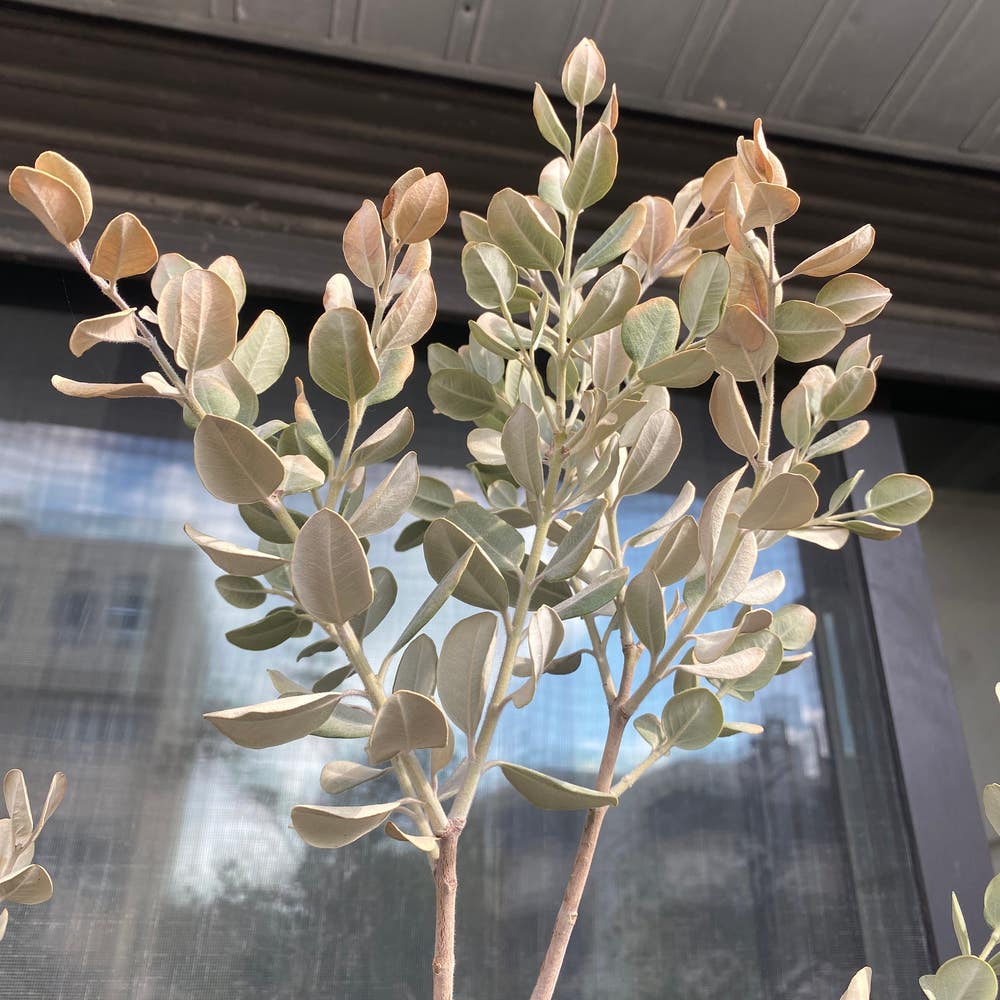
9 Ideal Locations to Plant Ohi'a Lehua 🌺
Metrosideros polymorpha
By the Greg Editorial Team
Nov 22, 2024•6 min read
This article was created with the help of AI so we can cover more plants for you. May contain errors. See one? Report it here.
- 🌞 Ohi'a Lehua thrives in 6-8 hours of sunlight; adjust for optimal growth.
- 🌱 Well-draining volcanic soil is essential to prevent root rot and promote health.
- 🌬️ Windbreaks protect Ohi'a Lehua from harsh winds, ensuring healthy branches and flowers.
Sunlight Exposure
Full Sun Requirements 🌞
Ohi'a Lehua thrives best in full sun, requiring 6-8 hours of direct sunlight each day. This exposure not only promotes vigorous growth but also leads to abundant flowering, making your garden a vibrant spectacle.
Tolerance to Partial Shade 🌤️
While full sun is ideal, Ohi'a Lehua can also tolerate partial shade. However, be mindful that shaded locations may result in reduced flowering potential and slower growth rates, so choose your planting spot wisely.
Understanding these sunlight needs is crucial for ensuring your Ohi'a Lehua flourishes. Next, let’s explore the importance of soil type and conditions for optimal growth.
Soil Type and Conditions
🌋 Well-Draining Soil Preferences
Ohi'a Lehua thrives best in well-draining volcanic soil. This type of soil is not only rich in nutrients but also allows excess water to flow away, preventing root rot and promoting healthy root development.
Good drainage is crucial for the overall health of your plant. Without it, roots can become waterlogged, leading to decay and stunted growth.
⚖️ Soil pH Considerations
For optimal growth, aim for a soil pH between 6.0 and 7.5. This range supports nutrient availability and overall plant vitality.
Before planting, it's wise to test your soil's pH using a soil test kit. This simple step ensures that your Ohi'a Lehua has the best possible start in its new home.
By understanding the soil type and conditions necessary for Ohi'a Lehua, you set the stage for a thriving plant. Next, let’s explore how to assess the best spot for planting, considering factors like sunlight and seasonal changes.
Proximity to Other Plants
🌱 Companion Planting Strategies
Companion planting can significantly enhance the growth of Ohi'a Lehua. Native Hawaiian plants, such as the Koa tree or the Naupaka, not only support biodiversity but also create a thriving ecosystem that benefits your garden.
Planting Ohi'a Lehua near species that attract pollinators, like native honeycreepers, can boost flowering and fruiting. These birds are essential for pollination, ensuring your plants flourish and produce vibrant blooms.
🚫 Avoiding Competition for Nutrients
To ensure your Ohi'a Lehua thrives, spacing is crucial. Maintain adequate distance from other plants to minimize competition for nutrients and water.
When selecting companion plants, consider their nutrient needs. Choose plants that share similar requirements to create a harmonious growing environment, allowing each species to thrive without hindrance.
By thoughtfully considering plant proximity, you can cultivate a flourishing garden that celebrates the beauty of Ohi'a Lehua while supporting the local ecosystem.
As you plan your planting strategy, keep in mind the next important factor: assessing the best spot for your Ohi'a Lehua.
Assessing the Best Spot
🌞 Evaluating Sunlight Patterns
Morning vs. Afternoon Sun
Finding the right sunlight exposure is crucial for your Ohi'a Lehua. Morning sun is ideal; it provides gentle light that encourages healthy growth without the risk of scorching the leaves.
In contrast, afternoon sun can be intense, potentially stressing the plant. If your location receives strong afternoon rays, consider providing some partial shade to help your Ohi'a thrive.
🍂 Seasonal Changes in Light Exposure
As seasons change, so do sunlight patterns. Keep an eye on how light shifts throughout the year, as this can significantly impact your plant's health.
Be ready to adjust your planting locations based on seasonal light availability. This proactive approach ensures your Ohi'a Lehua receives the optimal conditions it needs to flourish.
With sunlight patterns assessed, the next step is to consider wind protection and drainage to create the best environment for your plants.
Wind Protection and Drainage Considerations
🌬️ Importance of Windbreaks
Wind can be a formidable foe for Ohi'a Lehua, especially in exposed areas. Establishing windbreaks is essential to shield these beautiful trees from harsh gusts that can damage their delicate branches and flowers.
🌳 Natural Barriers vs. Artificial Structures
Utilizing existing trees or shrubs as natural windbreaks is an effective strategy. These plants not only provide protection but also enhance the landscape's biodiversity.
If natural barriers are insufficient, consider installing artificial structures like fences or trellises. These can serve as additional shields against strong winds, ensuring your Ohi'a Lehua thrives.
🚰 Ensuring Proper Drainage
Proper drainage is crucial for the health of Ohi'a Lehua. Without it, roots can become waterlogged, leading to rot and other issues.
Assessing Drainage in Potential Planting Sites
Look for signs of poor drainage in your planting area. Puddles, waterlogged soil, or slow absorption are all indicators that the site may not be suitable.
To test drainage, conduct a simple percolation test. This involves digging a hole, filling it with water, and observing how quickly it drains. A quick absorption rate is ideal for healthy root development.
🌱 Modifying Soil for Better Drainage
Improving soil drainage can make a significant difference in plant health. One way to achieve this is by incorporating organic matter or perlite into the soil.
Creating raised beds is another effective method. Elevating planting areas not only enhances drainage but also prevents waterlogging, giving your Ohi'a Lehua the best chance to flourish.
With wind protection and proper drainage in place, your Ohi'a Lehua will be set for success. Next, let’s explore specific location needs to ensure these trees thrive in various environments.
Specific Location Needs
🌆 Urban vs. Rural Planting Considerations
Adapting to Urban Environments
Urban settings can be tricky for planting Ohi'a Lehua. Limited space, poor soil quality, and pollution can hinder growth.
To combat these challenges, consider container planting or raised beds. These solutions can enhance soil conditions and provide the necessary space for your plants to thrive.
Rural Landscape Advantages
On the other hand, rural landscapes offer distinct advantages for planting. With ample space and generally better soil conditions, Ohi'a Lehua can flourish.
Utilizing natural features, such as hills or existing vegetation, can further enhance growth. These elements create a more supportive environment for your plants.
🏡 Indoor Planting Considerations
Light Requirements for Indoor Settings
When planting indoors, ensuring adequate light is crucial. Position your Ohi'a Lehua near windows or use grow lights to provide the necessary illumination.
Regularly monitor indoor conditions to catch any signs of stress. Insufficient light can lead to weak growth, so stay vigilant.
Container Selection for Indoor Planting
Choosing the right container is essential for healthy root growth. Ensure your pots are the proper size and have adequate drainage holes.
For the soil mix, opt for a well-draining potting mix suitable for Ohi'a Lehua. This will help maintain the right moisture levels and promote robust growth.
As you consider these specific location needs, remember that each environment presents unique opportunities and challenges. Understanding these factors will set you up for success in cultivating your Ohi'a Lehua.
⚠️ Safety First
This content is for general information and may contain errors, omissions, or outdated details. It is not medical, veterinary advice, or an endorsement of therapeutic claims.
Always consult a qualified healthcare professional before using any plant as food, medicine, or supplement.
Never eat any plant (or feed one to pets) without confirming its identity with at least two trusted sources.
If you suspect poisoning, call Poison Control (800) 222-1222, the Pet Poison Helpline (800) 213-6680, or your local emergency service immediately.
Spotted an error? Please report it here.
Create a thriving home for your Ohi'a Lehua 🌺 with Greg's tailored care reminders and expert tips that ensure it flourishes in any environment!