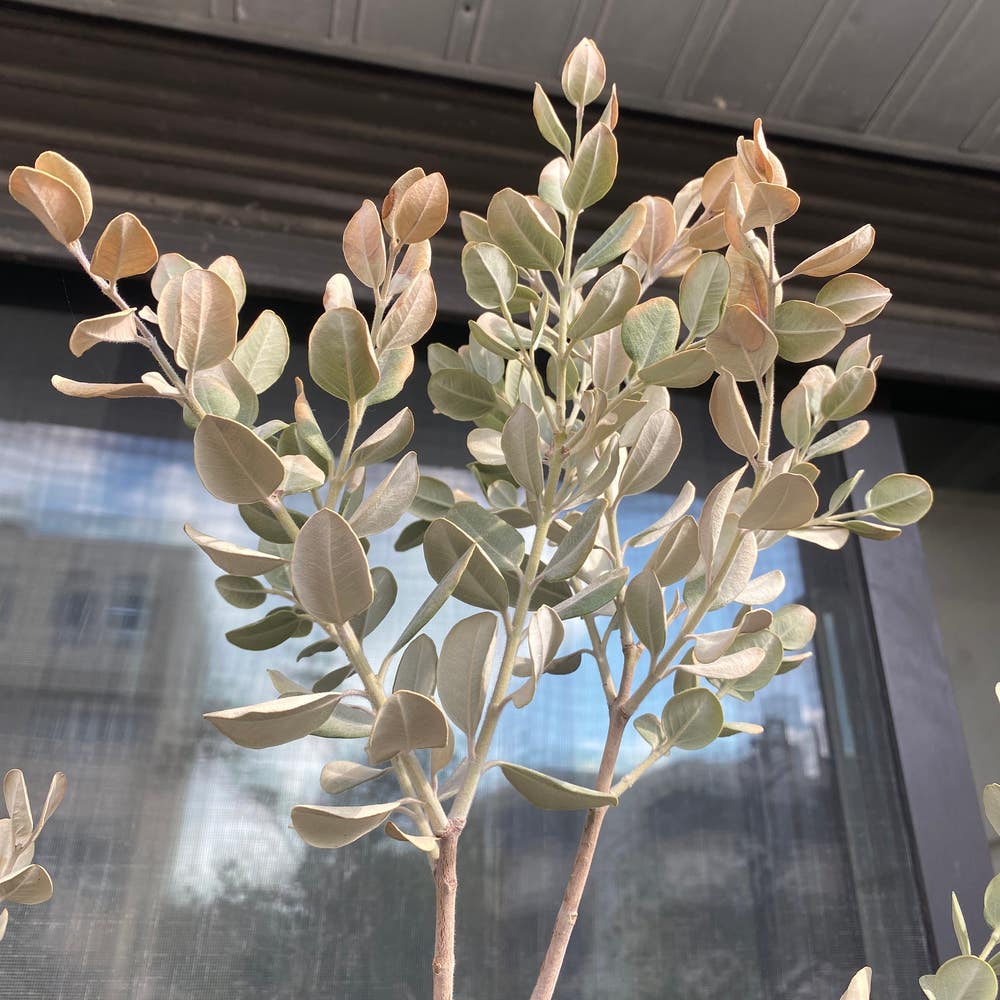
How to Fix Curling Leaves on Your Ohi'a Lehua 🍃
Metrosideros polymorpha
By the Greg Editorial Team
Nov 22, 2024•5 min read
This article was created with the help of AI so we can cover more plants for you. May contain errors. See one? Report it here.
- 🌡️💧 Curling leaves result from environmental stress, improper watering, or pests.
- 🐛 Monitor for pests like aphids and Ohi'a rust to prevent leaf curl.
- 🌱 Nutrient deficiencies in potassium and nitrogen can cause curling and yellowing leaves.
Causes of Curling Leaves
🌬️ Environmental Stress Factors
Curling leaves on your Ohi'a Lehua can often be traced back to environmental stress. Temperature fluctuations, whether extreme heat or cold, can lead to significant leaf curl.
Low humidity is another culprit, especially for young plants that are still establishing themselves. Additionally, soil moisture plays a critical role; overly dry or waterlogged soil can severely impact leaf health.
Wind exposure can also cause physical damage to leaves, resulting in curling. Protecting your plants from harsh winds is essential for maintaining their integrity.
🐛 Pest Infestations and Their Impact
Pest infestations are a common issue for Ohi'a Lehua and can lead to curling leaves. Ohi'a rust, a fungal infection, is notorious for causing both leaf curling and discoloration.
Aphids are another pest to watch out for. These small insects suck sap from the leaves, leading to curling and stunted growth. Signs of pest infestation include sticky residue on leaves, visible insects, and webbing.
🥦 Nutrient Deficiencies and Imbalances
Nutrient deficiencies can also contribute to curling leaves. Key nutrients for Ohi'a Lehua include potassium, which is essential for overall plant health and leaf integrity.
Nitrogen is crucial for foliage growth and vitality. Symptoms of nutrient deficiencies often manifest as yellowing leaves, indicating a nitrogen deficiency, or curling leaves, which can signal a potassium deficiency.
💧 Watering Practices and Their Effects
Watering practices significantly affect leaf health. Overwatering can lead to root rot, which subsequently causes leaf curl.
Conversely, underwatering can result in insufficient moisture, causing leaves to curl and dry out. Ensuring proper soil drainage is vital to prevent waterlogging and maintain healthy leaves.
Understanding these causes is the first step in addressing curling leaves on your Ohi'a Lehua. Next, we’ll explore how to diagnose the specific issues affecting your plant.
Diagnosing Curling Leaves
🌿 Identifying Symptoms of Leaf Curl
Curling leaves on your Ohi'a Lehua can signal various issues. Look for visual signs like curling edges, discoloration, and wilting, which indicate that something isn't right.
Additionally, pay attention to the texture of the leaves. They may become brittle or soft, further hinting at underlying problems that need addressing.
🐛 Differentiating Between Causes (Pests vs. Environmental)
To effectively diagnose the cause of leaf curl, start with pest identification. Check the underside of leaves for insects or webbing, which can indicate an infestation.
Next, look for signs of fungal infections, such as unusual spots or discoloration. If pests aren't the issue, assess environmental stress indicators, including recent weather changes, humidity levels, and soil moisture. These factors can significantly impact your plant's health.
By carefully observing these symptoms and potential causes, you can better understand what your Ohi'a Lehua needs to thrive. This knowledge will guide you in taking the right steps to restore its health and beauty.
Treatment for Curling Leaves
🐞 Step-by-Step Guide to Treating Pests
Dealing with pests on your Ohi'a Lehua can be daunting, but a systematic approach makes it manageable. Start by inspecting the plant thoroughly for any signs of pests, such as visible insects or webbing.
Next, apply insecticidal soap or neem oil to the affected areas. These treatments are effective and environmentally friendly. After application, monitor the plant closely for signs of recovery or any further infestation. Regular checks will help you catch any issues early.
💧 Adjusting Watering Practices
Watering practices play a crucial role in maintaining healthy leaves. Begin by checking soil moisture levels using a moisture meter to ensure you're not over or underwatering.
When you do water, aim for deep but infrequent watering. This encourages deep root growth, which is vital for your plant's overall health. Additionally, ensure proper drainage to prevent waterlogging, which can lead to root rot and further leaf curling.
🌱 Correcting Nutrient Deficiencies
Nutrient deficiencies can also cause curling leaves, so it's essential to address this issue. Start by conducting a soil test to identify the nutrient levels present in your soil.
Once you know what your plant needs, apply a balanced fertilizer that contains adequate potassium and nitrogen. After fertilization, monitor your plant's response closely and adjust your fertilization schedule as needed to ensure optimal growth.
With these treatments in place, your Ohi'a Lehua will be on its way to recovery. Next, let’s explore how to prevent curling leaves from becoming a recurring issue.
Preventing Curling Leaves
🌱 Best Practices for Ohi'a Lehua Care
To keep your Ohi'a Lehua thriving, regular checks for pests and signs of stress are essential. This proactive approach helps catch issues before they escalate.
Consistent watering practices based on soil moisture will also benefit your plant. Aim for a balance that avoids both overwatering and underwatering, ensuring your plant receives the right amount of hydration.
☀️ Seasonal Considerations for Prevention
Adjusting your care practices according to the seasons is crucial. For instance, increase watering during dry spells to keep your plant hydrated.
Additionally, protecting young plants from harsh weather conditions can prevent stress. Simple measures like providing shade or windbreaks can make a significant difference.
🔍 Monitoring Plant Health Regularly
Routine inspections for pests and environmental stress should be part of your gardening routine. Regular monitoring allows you to identify and address problems early.
Keeping a log of your watering and fertilization schedules can help you spot patterns over time. This practice not only aids in maintaining plant health but also enhances your gardening skills.
By implementing these preventive measures, you can enjoy a healthy, vibrant Ohi'a Lehua. Now, let’s explore how to diagnose curling leaves effectively.
⚠️ Safety First
This content is for general information and may contain errors, omissions, or outdated details. It is not medical, veterinary advice, or an endorsement of therapeutic claims.
Always consult a qualified healthcare professional before using any plant as food, medicine, or supplement.
Never eat any plant (or feed one to pets) without confirming its identity with at least two trusted sources.
If you suspect poisoning, call Poison Control (800) 222-1222, the Pet Poison Helpline (800) 213-6680, or your local emergency service immediately.
Spotted an error? Please report it here.
Keep your Ohi'a Lehua healthy and happy 🌱 by using Greg's tailored watering alerts and pest monitoring tips to prevent curling leaves and ensure optimal growth!