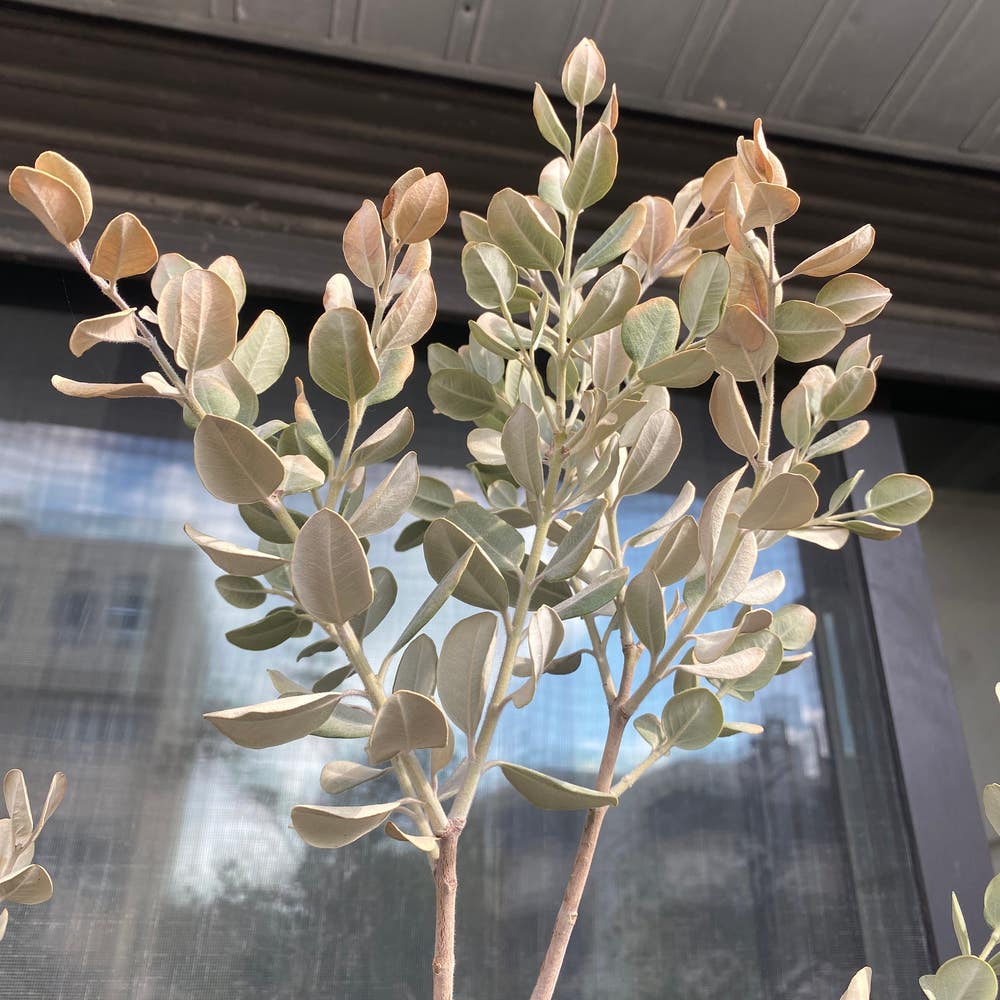
🌺 Ohi'a Lehua is Not an Invasive Plant
Metrosideros polymorpha
By the Greg Editorial Team
Nov 22, 2024•6 min read
This article was created with the help of AI so we can cover more plants for you. May contain errors. See one? Report it here.
- 🌱 Ohi'a Lehua is non-invasive, thriving without harming local ecosystems.
- 🌺 Supports biodiversity by coexisting with native species and attracting pollinators.
- 🌋 Prefers volcanic soils, naturally limiting its growth and spread.
Plant Classification
🌱 Definition of Invasive Species
Invasive species are plants or animals that grow rapidly and spread uncontrollably. They often displace native flora and can negatively impact local ecosystems, disrupting the balance of nature.
🌺 Why Ohi'a Lehua is Not Invasive
Ohi'a Lehua stands out as a non-invasive species due to its natural growth limits. It adapts well to various environments but does not overwhelm them, thriving in specific habitats that restrict its spread.
Natural Growth Limits
This tree prefers certain conditions, such as well-draining volcanic soils, which naturally limits its expansion. Its adaptability allows it to flourish in diverse environments, from coastal areas to high elevations, without becoming a nuisance.
Ecological Balance
Ohi'a Lehua plays a vital role in maintaining ecological balance. It contributes positively to native ecosystems, coexisting with local species rather than outcompeting them, which is essential for preserving biodiversity.
Understanding these characteristics is crucial for appreciating the role of Ohi'a Lehua in Hawaiian ecosystems. Next, we will explore its growth habits and how they contribute to its non-invasive nature.
Growth Habits
🌱 Typical Growth Patterns in Gardens
Ohi'a Lehua is a striking tree that can reach impressive heights of 30 to 100 feet, depending on its growing conditions. Its dense canopy not only provides ample shade but also creates a vital habitat for various wildlife.
The flowering season is a highlight, with peak blooms occurring from late winter to early spring. During this time, the vibrant flowers attract a host of pollinators, including native birds and insects, making it a lively addition to any garden.
🌍 Natural Limits to Growth and Spread Potential
Ohi'a Lehua thrives best in volcanic soils that offer well-draining conditions. This preference helps to limit its spread, as it does not flourish in overly saturated soils.
Additionally, this tree demonstrates remarkable environmental adaptability, growing in both coastal areas and high elevations. Importantly, it coexists harmoniously with other native species, ensuring it does not dominate the landscape.
The unique growth habits of Ohi'a Lehua not only enhance garden aesthetics but also support local ecosystems. As we explore its ecological role, we will uncover the myriad benefits it brings to its surroundings.
Ecological Role
🌱 Benefits to Local Ecosystems
Ohi'a Lehua plays a vital role in supporting local ecosystems. It provides essential habitat for native birds such as the 'I'iwi and 'Apapane, which rely on its flowers for food.
Additionally, this plant offers shelter and food sources for various insects. By fostering a diverse range of wildlife, Ohi'a Lehua contributes to the overall health of its environment.
🦜 Interactions with Wildlife and Other Plants
The relationships Ohi'a Lehua forms with wildlife are mutually beneficial. Pollination by native birds not only enhances the reproductive success of the tree but also supports the birds' nutritional needs.
Moreover, Ohi'a Lehua provides nectar and habitat for various wildlife, creating a thriving ecosystem. Its presence helps maintain soil health by contributing to nutrient cycling and soil stabilization, further enriching the environment.
In summary, Ohi'a Lehua is not just a beautiful addition to the landscape; it is a cornerstone of ecological balance. As we explore its garden management and design considerations next, we’ll see how this remarkable plant can be integrated into our spaces while continuing to support local ecosystems.
Garden Management
Incorporating Ohi'a Lehua into Garden Designs 🌺
Ohi'a Lehua is a stunning addition to any garden, particularly in native plant gardens and tropical landscapes. Its unique beauty makes it an excellent specimen tree, providing both aesthetic appeal and ecological benefits.
For optimal growth, it's essential to space Ohi'a Lehua trees 15-20 feet apart. This spacing allows their mature canopies to flourish without overcrowding, ensuring each tree can thrive and contribute to the garden's overall health.
Growth Control Methods for Aesthetic Purposes ✂️
Managing the growth of Ohi'a Lehua can enhance its beauty while maintaining your garden's design. Here are some effective methods to consider:
-
- The best time to prune is late spring, right after flowering.
- Use selective thinning to maintain the tree's shape and size, promoting a balanced appearance.
Monitoring Growth:
- Regular assessments are crucial to ensure the tree fits within your garden's aesthetics.
- Consider companion planting to balance growth and create a harmonious landscape.
By incorporating these strategies, you can enjoy the beauty of Ohi'a Lehua while keeping your garden looking its best. This approach not only enhances your space but also supports the local ecosystem, making your garden a vibrant sanctuary for wildlife.
As we explore the next section, we'll delve into the comparison of Ohi'a Lehua with other plants, highlighting its unique qualities and cultural significance.
Comparison to Other Plants
🌱 Similar Non-Invasive Plants
When considering non-invasive plants in Hawaii, Koa and Naupaka stand out. Both share the native landscape with Ohi'a Lehua, contributing to the rich biodiversity of the islands.
Koa, known for its impressive height and sturdy wood, provides habitat and shade. Naupaka, with its unique half-flower, thrives in coastal areas, offering beauty and resilience.
🌺 Characteristics that Differentiate Ohi'a Lehua
Ohi'a Lehua is distinct due to its vibrant, unique flowering patterns. The bright red blossoms not only beautify the landscape but also play a crucial role in the ecosystem by attracting native pollinators.
Its ecological contributions extend beyond aesthetics. Ohi'a Lehua supports a variety of wildlife, enhancing the overall health of local ecosystems.
🌟 Unique Qualities
Culturally, Ohi'a Lehua holds a special place in Hawaiian traditions and folklore. It symbolizes love and is often featured in stories and songs, connecting people to their heritage.
Resilience is another hallmark of Ohi'a Lehua. This remarkable tree thrives in diverse conditions, from volcanic soils to coastal regions, showcasing its adaptability and strength.
Incorporating Ohi'a Lehua into gardens not only enhances beauty but also fosters a deeper connection to Hawaiian culture and the environment. As we explore sustainable gardening practices, recognizing the unique qualities of Ohi'a Lehua can inspire us to create vibrant, ecologically balanced spaces.
Legal and Environmental Considerations
Relevant Classifications and Guidelines 🌱
When incorporating Ohi'a Lehua into your garden, it's essential to be aware of local regulations regarding native species. Many areas have specific guidelines to protect native flora and fauna, ensuring that planting practices support ecological integrity.
Sourcing Ohi'a Lehua from reputable nurseries is crucial. This practice helps prevent ecological disruption and ensures that you are planting healthy, disease-free specimens that are true to the species.
Role in Sustainable Gardening Practices 🌍
Using native plants like Ohi'a Lehua in landscaping offers numerous benefits. One significant advantage is reduced water usage and maintenance, as these plants are adapted to local conditions.
Additionally, incorporating Ohi'a Lehua supports local wildlife and ecosystems. By providing food and habitat, you encourage biodiversity, creating a thriving environment for various species.
In summary, Ohi'a Lehua is not just a beautiful addition to your garden; it plays a vital role in promoting sustainability and ecological health. As we move forward, let’s explore how to effectively manage and incorporate this remarkable plant into our garden designs.
⚠️ Safety First
This content is for general information and may contain errors, omissions, or outdated details. It is not medical, veterinary advice, or an endorsement of therapeutic claims.
Always consult a qualified healthcare professional before using any plant as food, medicine, or supplement.
Never eat any plant (or feed one to pets) without confirming its identity with at least two trusted sources.
If you suspect poisoning, call Poison Control (800) 222-1222, the Pet Poison Helpline (800) 213-6680, or your local emergency service immediately.
Spotted an error? Please report it here.
Grow thriving Ohi'a Lehua trees 🌺 in your garden with Greg's tailored care tips, ensuring they enhance biodiversity and support local wildlife effortlessly!