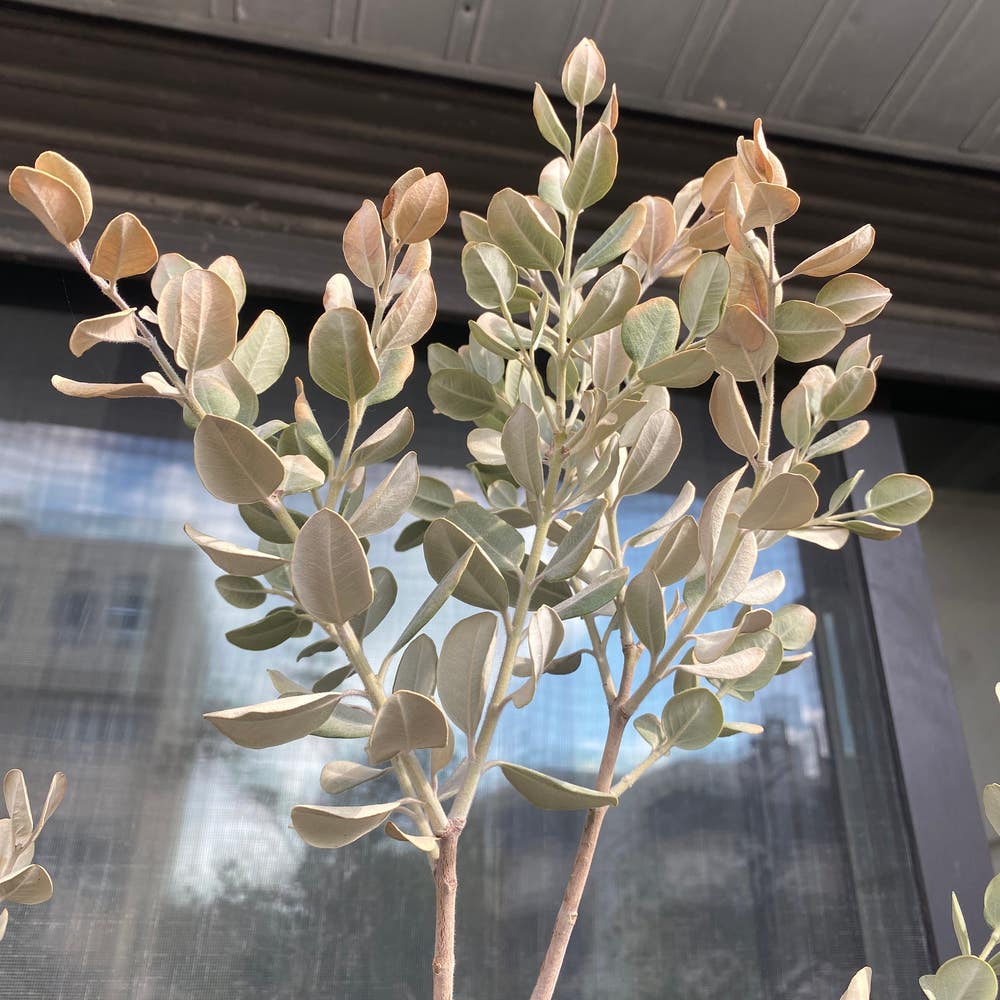
Identifying What is Eating Your Lehua 🐞
Metrosideros polymorpha
By the Greg Editorial Team
Nov 08, 2024•6 min read
This article was created with the help of AI so we can cover more plants for you. May contain errors. See one? Report it here.
- 🦌 Deer, rabbits, and squirrels are common herbivores damaging lehua plants.
- 🌱 Signs of damage include hoof prints, chewed bark, and clean cuts on shoots.
- 🛡️ Effective deterrents like fencing and repellents can protect lehua from herbivores.
Common Herbivores Affecting Lehua
🦌 Deer
Signs of presence
Look for distinct hoof prints in the soil, which indicate deer activity. Additionally, dark, pellet-like droppings near the plant are a telltale sign of their presence.
Type of damage caused
Deer often browse on leaves and branches, stripping them bare and causing stunted growth. This can severely impact the health of young lehua plants.
Beneficial or harmful interaction
Interactions with deer are generally harmful. They can decimate young plants and significantly hinder their growth.
Deterrent methods
To protect your lehua from deer, consider installing 8-foot tall fencing to prevent access. You can also use commercial deer repellents or homemade solutions, like garlic spray, to deter them.
🐇 Rabbits
Signs of presence
Rabbits leave behind clean cuts on young shoots, indicating they’ve been gnawing. You may also find small, round droppings scattered around the base of the plants.
Type of damage caused
Their gnawing can kill young plants if not managed promptly. This makes them a serious threat to your lehua's survival.
Beneficial or harmful interaction
Rabbits are generally harmful to lehua plants, causing significant damage to their growth.
Deterrent methods
To keep rabbits at bay, consider using netting to cover your plants. Spicy or bitter sprays can also act as effective repellents.
🐿️ Squirrels
Signs of presence
Squirrels often leave chewed bark on the trunk and branches of lehua plants. You might also spot their nests in nearby trees.
Type of damage caused
They tend to eat fruits and flowers, leading to a loss of potential yield. This can be particularly frustrating for gardeners hoping for a fruitful harvest.
Beneficial or harmful interaction
Interactions with squirrels are generally harmful. Their activity can lead to reduced flowering and fruiting of lehua plants.
Deterrent methods
To deter squirrels, use scare tactics like reflective objects or noise devices. Live traps can also help relocate them if they become a nuisance.
🐦 Birds
Signs of presence
Look for feathers near the plant or visible nests in nearby trees or shrubs. These signs indicate that birds are frequenting the area.
Type of damage caused
Birds can peck at flowers and fruits, reducing both aesthetic appeal and yield. This can be disappointing for those who appreciate the beauty of lehua blooms.
Beneficial or harmful interaction
Bird interactions are mixed; while some birds act as pollinators, others can cause damage. It's essential to identify which species are visiting your lehua.
Deterrent methods
Using predator decoys can scare away harmful birds. Hanging shiny objects can also deter them from feeding on your plants.
🐭 Rodents (mice, voles)
Signs of presence
Rodents leave small burrows or pathways in the soil, along with dark, small droppings near the base of the plant. These signs indicate their activity.
Type of damage caused
Rodents can gnaw on roots, leading to significant plant decline. This damage can severely affect the overall health of your lehua.
Beneficial or harmful interaction
Rodents are generally harmful, as they can severely impact plant health. Their presence should be addressed promptly.
Deterrent methods
To control rodent populations, consider using snap traps or live traps. Habitat modification, such as reducing cover and food sources nearby, can also help deter them.
Understanding these common herbivores and their interactions with lehua is crucial for maintaining a healthy garden. By implementing effective deterrent methods, you can protect your plants and ensure they thrive. Next, let’s explore the beneficial animals that play a vital role in the ecological balance surrounding lehua.
Beneficial Animals and Ecological Role
🐝 Pollinators Attracted to Lehua
Lehua flowers are a magnet for pollinators, especially bees and other insects. These creatures play a crucial role in the pollination process, ensuring the continuation of the plant's lifecycle.
Birds also contribute significantly by dispersing seeds. As they feed on the fruits, they help spread Lehua seeds across the landscape, promoting genetic diversity and new growth.
🌱 Positive Impacts on Garden Ecosystem
The presence of Lehua attracts a variety of beneficial species, enhancing biodiversity in your garden. This diversity creates a more resilient ecosystem, where different species support each other.
Additionally, beneficial animals help with pest control. Natural predation of harmful insects reduces the need for chemical interventions, leading to a healthier garden environment.
Incorporating Lehua into your garden not only beautifies the space but also fosters a thriving ecosystem. By understanding and supporting these beneficial interactions, you can create a vibrant, sustainable garden.
As we explore further, let’s look at general strategies for protecting Lehua from potential threats while nurturing its ecological benefits.
General Strategies for Protecting Lehua
🛡️ Preventive Measures
Protecting your Lehua starts with preventive measures that are easy to implement.
Fencing is one of the most effective strategies. Erecting physical barriers, such as 8-foot tall fences, can keep larger herbivores like deer at bay.
Companion planting is another smart tactic. By planting certain species alongside Lehua, you can distract or repel herbivores, creating a more resilient garden ecosystem.
⚠️ Reactive Solutions
Sometimes, despite your best efforts, herbivores still find their way to your plants. In these cases, traps can provide immediate control of rodent populations.
You can choose between snap traps or live traps, depending on your preference for humane solutions.
Repellents also play a crucial role. Both chemical and organic options are available to deter various herbivores, helping to safeguard your plants from unwanted munching.
🌱 Seasonal Variations in Animal Attraction
Be aware that herbivore activity can fluctuate with the seasons. During the flowering and fruiting seasons, you may notice an uptick in herbivore presence around your Lehua.
To combat this, consider implementing seasonal protection strategies. This might include adjusting your fencing or increasing the use of repellents during peak activity times.
By staying proactive and reactive, you can effectively protect your Lehua and ensure its thriving presence in your garden. Next, let’s explore the beneficial animals that contribute positively to the ecological balance around Lehua.
Toxicity and Animal Interactions
🐾 Toxic Effects of Lehua on Certain Animals
Lehua plants possess mild toxicity in various parts, particularly in their leaves and flowers. This natural defense mechanism can deter some herbivores from munching on them.
🦙 Impact on Herbivore Feeding Behavior
Many animals instinctively avoid consuming parts of the Lehua due to its toxic properties. This avoidance can significantly influence their feeding habits and choices in the wild.
🤔 Discussion of How Toxicity Affects Herbivore Behavior
The mild toxicity of Lehua can serve as a deterrent for certain herbivores, making them think twice before nibbling on the plant. This selective feeding behavior can lead to a healthier plant population, as fewer animals will target these potentially harmful parts.
🌿 Influence on Plant Selection by Foraging Animals
Herbivores often adapt their foraging strategies based on the presence of toxic plants like Lehua. This behavior not only affects their diet but also shapes the overall dynamics of the ecosystem, promoting a balance between plant health and animal populations.
Understanding the toxicity of Lehua and its effects on herbivores highlights the intricate relationships within ecosystems. As we explore further, we will delve into the beneficial animals that play a crucial role in the health of Lehua and the broader garden ecosystem.
⚠️ Safety First
This content is for general information and may contain errors, omissions, or outdated details. It is not medical, veterinary advice, or an endorsement of therapeutic claims.
Always consult a qualified healthcare professional before using any plant as food, medicine, or supplement.
Never eat any plant (or feed one to pets) without confirming its identity with at least two trusted sources.
If you suspect poisoning, call Poison Control (800) 222-1222, the Pet Poison Helpline (800) 213-6680, or your local emergency service immediately.
Spotted an error? Please report it here.
Protect your lehua plants from pesky herbivores 🦌 by using Greg's tailored care reminders and community tips for a thriving garden!