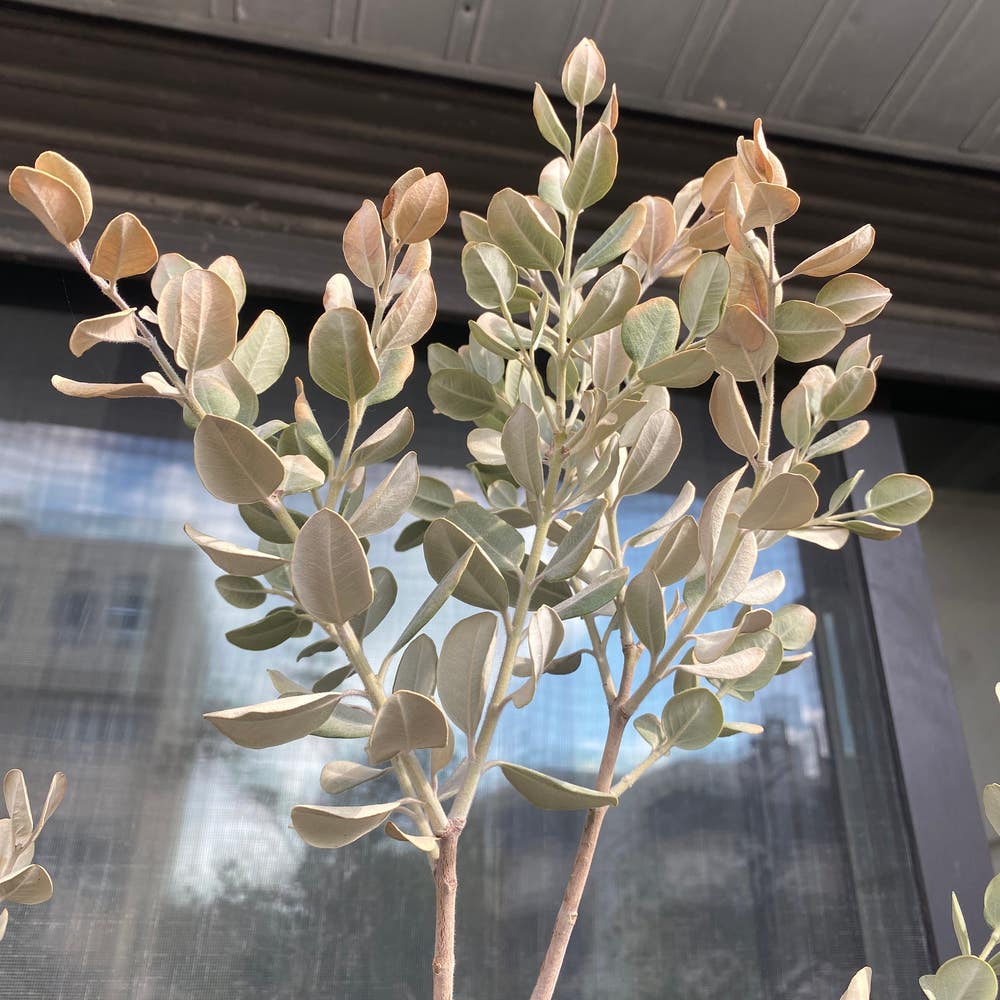
🌺 Lehua Is Not an Annual
Metrosideros polymorpha
By the Greg Editorial Team
Nov 08, 2024•5 min read
This article was created with the help of AI so we can cover more plants for you. May contain errors. See one? Report it here.
- 🌱 Lehua is a resilient perennial, thriving for decades, unlike short-lived annuals.
- 🌼 Seasonal blooms attract pollinators, enhancing garden biodiversity and beauty.
- 🌍 Understanding Lehua's characteristics clarifies its vital role in ecosystems and landscapes.
Lehua's Perennial Nature
🌱 Genetic Characteristics
Lehua belongs to the Myrtaceae family, a group known for its diverse and resilient species. This genetic heritage equips Lehua with adaptations that promote longevity and resilience, allowing it to thrive in various environments.
🌿 Physiological Traits Supporting Perennial Growth
One of Lehua's standout features is its deep and extensive root system. This robust root network enables efficient nutrient uptake, essential for its long-term survival.
Additionally, Lehua's leaf structure is finely tuned for optimal photosynthesis and water retention. These adaptations help the plant conserve moisture and maximize energy production, crucial for enduring harsh conditions.
⏳ Long-Term Lifecycle
Lehua boasts an impressive lifespan, often living for several decades and sometimes exceeding a century. This longevity is complemented by its annual flowering patterns, which ensure consistent blooming cycles each year, delighting observers with vibrant displays.
The combination of genetic traits, physiological adaptations, and a long lifecycle underscores Lehua's status as a perennial plant. Understanding these characteristics helps clarify why Lehua is not just another fleeting annual but a lasting presence in its ecosystem.
As we explore further, we will compare Lehua's lifecycle and growth patterns to those of true annuals, revealing more about its unique botanical identity.
Lifecycle Comparison
Growth Patterns vs. True Annuals 🌱
Lehua exhibits a unique growth pattern that sets it apart from true annuals. Initially, it may show slow growth, but once established, it transitions into a phase of robust development.
In contrast, annual plants typically experience rapid growth and complete their lifecycle within a single season. This stark difference highlights Lehua's resilience and longevity, making it a valuable addition to any garden.
Flowering Cycles and Seed Production 🌸
Lehua's flowering cycles are a spectacle to behold, with seasonal blooms that peak at specific times of the year. These vibrant displays not only enhance the landscape but also attract various pollinators.
When it comes to seed production, Lehua employs effective mechanisms for dispersal and germination. This ensures that its legacy continues, allowing new plants to thrive in suitable environments.
Understanding these aspects of Lehua's lifecycle not only deepens our appreciation for this remarkable plant but also sets the stage for exploring regional variations and misconceptions about its growth.
Regional Variations and Misconceptions
🌱 Conditions Where Lehua May Be Mistaken for an Annual
Lehua trees can sometimes be misidentified as annuals due to harsh environmental conditions. Factors like drought, poor soil quality, and extreme temperatures can stunt their growth, leading to the misconception that they are short-lived.
These challenging climates can significantly impact Lehua's growth and flowering cycles. When stressed, these resilient plants may not exhibit their typical robust characteristics, making them appear less perennial than they truly are.
🌄 Exceptions in Growth Patterns
Interestingly, Lehua's growth patterns can vary widely based on elevation and microclimates. In higher elevations or unique microclimates, these trees may thrive differently, showcasing their adaptability.
Moreover, Lehua has developed specific adaptations to cope with various soil types and moisture levels. This flexibility allows them to flourish in diverse environments, reinforcing their status as a perennial species despite occasional misinterpretations.
Understanding these nuances helps clarify why Lehua should be celebrated for its longevity and resilience. With the right conditions, these trees can thrive beautifully, contributing to the landscape for decades.
As we explore further, let’s dive into how to incorporate Lehua into garden designs and planting strategies for optimal growth.
Garden Design and Planting Strategies
🌺 Advantages of Incorporating Lehua
Lehua trees are a stunning addition to any garden, boasting vibrant red flowers that create a striking visual impact. Their unique foliage not only enhances aesthetic appeal but also contributes to the overall beauty of your landscape.
Beyond looks, Lehua plays a vital ecological role. These trees attract a variety of pollinators, including bees and birds, which are essential for maintaining a healthy ecosystem. By incorporating Lehua into your garden, you support local wildlife and promote biodiversity.
🌱 Planning for Growth and Flowering
To ensure your Lehua thrives, proper spacing and placement are crucial. These trees require room to grow, so plant them at least 10 to 15 feet apart to allow for their extensive root systems and canopy spread.
Companion planting can also enhance Lehua's growth. Pairing them with drought-tolerant plants or those that provide ground cover can create a harmonious garden environment. This strategy not only maximizes space but also promotes healthier growth for all plants involved.
Incorporating Lehua into your garden design is not just about aesthetics; it's about creating a thriving ecosystem. With thoughtful planning, you can enjoy the beauty and benefits of this remarkable perennial for years to come.
Maximizing Longevity and Care
🌱 Tips for Managing Lehua as a Perennial
To ensure your Lehua thrives, regular monitoring is essential. Keep an eye on its health and growth patterns to catch any issues early.
Pruning is another key strategy. By trimming back old growth, you encourage new shoots and vibrant blooms, keeping your plant looking its best.
⏳ Strategies for Enhancing Lifespan
Soil management plays a crucial role in Lehua's longevity. Ensure proper drainage and nutrient availability to create a thriving environment.
Watering techniques are equally important. Balance moisture levels to prevent stress, as both overwatering and drought can impact your plant's health.
By following these tips, you can enjoy the beauty of Lehua for many years to come. Next, let’s explore how to incorporate this stunning plant into your garden design effectively.
⚠️ Safety First
This content is for general information and may contain errors, omissions, or outdated details. It is not medical, veterinary advice, or an endorsement of therapeutic claims.
Always consult a qualified healthcare professional before using any plant as food, medicine, or supplement.
Never eat any plant (or feed one to pets) without confirming its identity with at least two trusted sources.
If you suspect poisoning, call Poison Control (800) 222-1222, the Pet Poison Helpline (800) 213-6680, or your local emergency service immediately.
Spotted an error? Please report it here.
Recognize Lehua's perennial power 🌿 and let Greg guide you with tailored care reminders to help your plant flourish for decades!