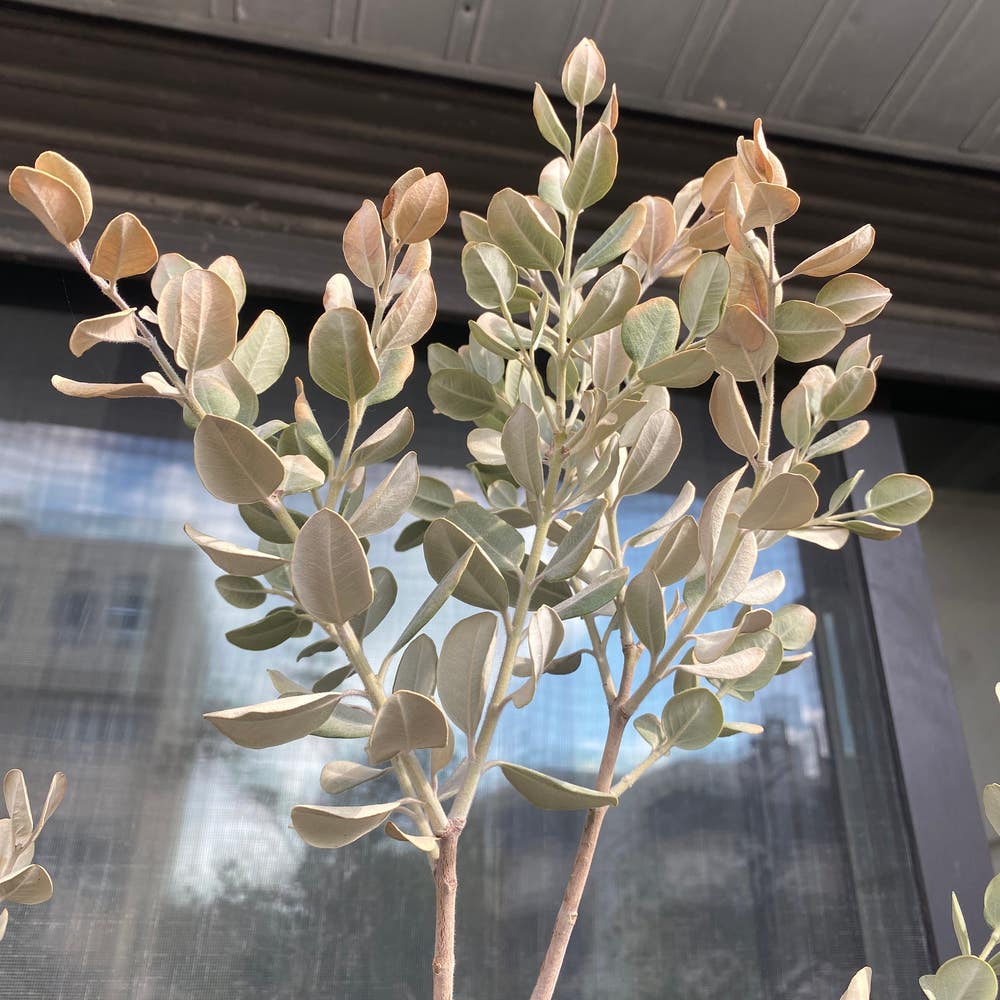
Optimal Temperature for Your Lehua 🌡️
Metrosideros polymorpha
By the Greg Editorial Team
Nov 08, 2024•5 min read
This article was created with the help of AI so we can cover more plants for you. May contain errors. See one? Report it here.
- 🌡️ Optimal temperature for Lehua is 60°F to 80°F (15°C to 27°C) for growth.
- ❄️🔥 Cold and heat stress symptoms include wilting, leaf scorch, and discoloration.
- 🌱 Gradual acclimatization and monitoring are essential for Lehua plant health.
Optimal Temperature Range
Ideal Conditions 🌡️
For your Lehua, the optimal temperature range is between 60°F to 80°F (15°C to 27°C). Within this range, the plant thrives, with its growth and flowering peaking at 70°F to 80°F (21°C to 27°C).
Maintaining these temperatures is crucial for healthy growth and vibrant flowering. When conditions are just right, your Lehua will reward you with stunning blooms and lush foliage.
Temperature Fluctuations and Effects 🌬️
Sudden temperature changes can trigger a stress response in your Lehua. This may result in slowed growth, leaf drop, and reduced flowering, which can be disheartening for any plant lover.
To help your plant acclimatize to new temperatures, it's essential to make changes gradually. Implementing strategies like using shade cloths during hot spells can provide relief, while protecting your Lehua from cold drafts or sudden temperature drops is equally important.
By being proactive about temperature management, you can ensure your Lehua remains healthy and vibrant. This attention to detail will pay off in the form of a flourishing plant that brings joy to your space.
As we explore the signs of temperature stress next, you'll learn how to recognize when your Lehua needs a little extra care.
Temperature Stress
Signs of Temperature Stress 🌡️
Temperature stress can manifest in various ways, impacting the health of your Lehua.
Symptoms of Cold Stress
Cold stress typically shows up as leaf discoloration, where leaves may turn yellow or brown. You might also notice wilting or drooping, indicating a loss of turgidity in both leaves and stems.
Symptoms of Heat Stress
On the flip side, heat stress presents itself through leaf scorch, characterized by brown, crispy edges on the leaves. Additionally, you may see premature leaf drop, where the plant sheds leaves during particularly hot periods.
Causes of Temperature Stress 🔍
Understanding the causes of temperature stress is crucial for effective management.
Cold Stress
Cold stress occurs when temperatures dip below 50°F (10°C). Prolonged exposure to cold winds or frost significantly increases the risk of this condition.
Heat Stress
Conversely, heat stress kicks in when temperatures soar above 90°F (32°C). Direct sunlight exposure without adequate moisture can exacerbate this issue, putting your Lehua at risk.
Recovery Strategies 🛠️
If your Lehua shows signs of temperature stress, immediate action is essential.
For Cold-Stressed Plants
Start by moving the plant to a sheltered location or providing frost protection. Additionally, ensure adequate watering to help the plant recover from the cold.
For Heat-Stressed Plants
For plants suffering from heat stress, providing shade is crucial. Increase the watering frequency and consider mulching to retain soil moisture and lower root temperatures.
By recognizing the signs and causes of temperature stress, along with implementing recovery strategies, you can help your Lehua thrive despite challenging conditions. Next, we’ll explore seasonal temperature considerations to further support your plant’s health.
Seasonal Temperature Considerations
🌡️ Variations Throughout the Year
Hawaii enjoys a tropical climate, with average temperatures ranging from 70°F to 85°F (21°C to 29°C) throughout the year. However, during the winter months, you might notice slight drops in temperature, which can impact your Lehua's growth.
❄️ Preparing for Seasonal Changes
To ensure your Lehua thrives through seasonal shifts, consider these winter preparation strategies:
- Mulching: This helps insulate the roots from cold temperatures, providing a protective barrier against frost.
- Weather Monitoring: Keep an eye on local forecasts to anticipate unexpected cold snaps that could affect your plants.
As summer approaches, it's essential to adapt your care routine:
- Watering: Ensure your Lehua receives adequate moisture during peak heat to prevent stress.
- Shading Techniques: Adjust your shading methods as needed to protect your plants from intense sunlight.
By staying proactive and attentive to seasonal changes, you can help your Lehua flourish year-round. This preparation not only safeguards your plants but also enhances their overall health and vibrancy.
Next, we’ll delve into the geographic and environmental factors that influence the growth of Lehua, exploring how its native habitat shapes its temperature preferences.
Geographic and Environmental Factors
🌋 Native Habitat Characteristics
Lehua plants flourish in their native habitat of Hawaii, where they thrive in volcanic soils known for excellent drainage. These conditions create a nurturing environment, allowing Lehua to grow robustly with minimal temperature extremes.
⛰️ Impact of Elevation
Elevation plays a significant role in the temperature experienced by Lehua. At higher altitudes, temperatures can drop, presenting unique challenges for the plant.
Lehua has adapted to these variations, showcasing impressive resilience. Its ability to tolerate cooler temperatures at higher elevations ensures that it can thrive across diverse environments. Understanding these geographic and environmental factors is crucial for successful cultivation and care of Lehua plants.
As we explore temperature management techniques, it's essential to consider how these factors influence the overall health of your Lehua.
Temperature Management Techniques
Best Practices 🌳
When it comes to managing temperature for your Lehua, plant placement is crucial. Opt for locations that provide natural shade during peak sun hours to protect your plant from excessive heat.
Additionally, avoid low-lying areas that are prone to frost. These spots can expose your Lehua to cold stress, especially during the winter months.
Monitoring Tools and Methods 📊
To effectively manage temperature, investing in the right tools is essential. Use thermometers, whether digital or analog, for accurate temperature readings in your garden.
Soil temperature probes are also beneficial for monitoring root zone temperatures. Keeping an eye on the soil can help you understand how your Lehua is faring.
Regular monitoring is key, especially during extreme weather conditions. Conduct daily checks to ensure your plant is within its optimal temperature range.
Consider using temperature logs to track fluctuations over time. This practice will help you identify patterns and make informed adjustments to your care routine.
By implementing these temperature management techniques, you can create a thriving environment for your Lehua. This proactive approach will set the stage for healthy growth and vibrant flowering as we transition into the next section on seasonal temperature considerations.
⚠️ Safety First
This content is for general information and may contain errors, omissions, or outdated details. It is not medical, veterinary advice, or an endorsement of therapeutic claims.
Always consult a qualified healthcare professional before using any plant as food, medicine, or supplement.
Never eat any plant (or feed one to pets) without confirming its identity with at least two trusted sources.
If you suspect poisoning, call Poison Control (800) 222-1222, the Pet Poison Helpline (800) 213-6680, or your local emergency service immediately.
Spotted an error? Please report it here.
Keep your Lehua thriving 🌱 by using Greg's personalized reminders and temperature monitoring tools to maintain its ideal conditions between 60°F and 80°F!