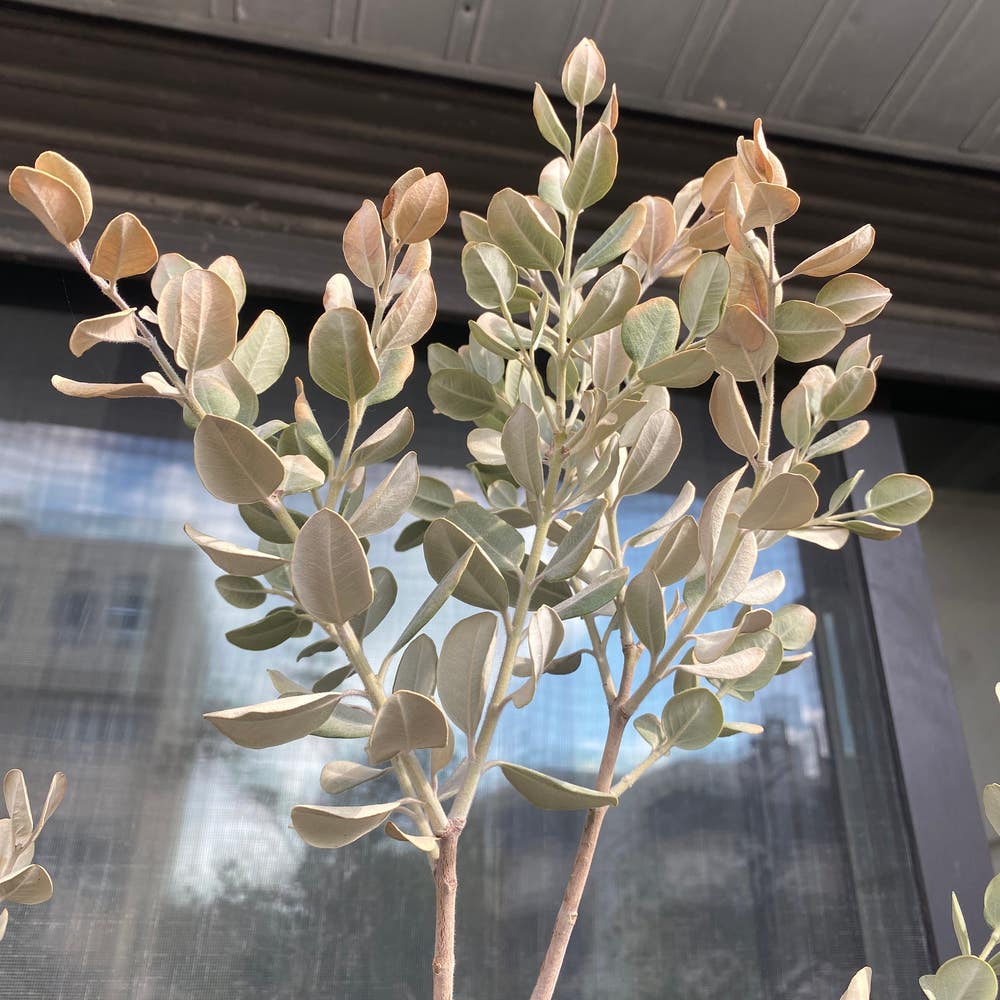
🌿 How to Cure Droopy Leaves on Your Lehua
Metrosideros polymorpha
By the Greg Editorial Team
Nov 08, 2024•8 min read
This article was created with the help of AI so we can cover more plants for you. May contain errors. See one? Report it here.
- 💧 Overwatering causes root rot, while underwatering leads to crispy, brown edges.
- 🌡️ Maintain 60°F to 80°F and 50%-70% humidity for healthy Lehua leaves.
- 🐛 Regular pest inspections and nutrient checks are vital for preventing droopy leaves.
Causes of Droopy Leaves
💧 Overwatering and Its Effects
Overwatering can lead to several distressing symptoms in your Lehua. Look out for yellowing leaves and mushy stems, which are clear indicators that your plant is drowning.
Root rot is a serious consequence of overwatering, severely impacting leaf health. It occurs when roots sit in waterlogged soil, depriving them of oxygen and leading to decay.
How to Identify Overwatering
To determine if you're overwatering, soil moisture testing is essential. You can use a moisture meter or simply stick your finger into the soil; if it feels soggy, it's time to cut back on watering.
Signs of waterlogged soil include a foul smell and a spongy texture. If your soil resembles a swamp, your Lehua is likely suffering from too much water.
💦 Underwatering and Dehydration
Underwatering presents its own set of challenges. Symptoms include crispy, brown leaf edges and wilting, which signal that your plant is thirsty.
Soil dryness can severely affect root health, leading to stunted growth. If the soil feels like dust, your Lehua is in desperate need of hydration.
How to Identify Underwatering
To identify underwatering, employ soil moisture testing techniques similar to those for overwatering. A simple finger test can reveal if the soil is dry several inches down.
Frequency of watering should be adjusted based on environmental conditions. Hot, dry weather may require more frequent watering, while cooler, humid conditions may necessitate less.
🌡️ Environmental Stress Factors
Temperature
Your Lehua thrives best in a temperature range of 60°F to 80°F (15°C to 27°C). Extreme temperatures, whether too hot or too cold, can cause leaf droop and stress.
Humidity
Humidity levels play a crucial role in leaf health. Ideally, your Lehua prefers humidity levels between 50% and 70%; anything lower can lead to droopy leaves and overall poor health.
🥦 Nutrient Deficiencies
Nitrogen Deficiency
A lack of nitrogen can manifest as yellowing leaves and stunted growth. Nitrogen is vital for leaf development, so ensure your plant receives adequate nutrients.
Potassium Deficiency
Potassium deficiency often shows up as leaf tip burn and weak stems. This nutrient is essential for overall plant health, helping to regulate water and nutrient transport.
🐛 Pests and Diseases Affecting Leaf Health
Pests like aphids, spider mites, and scale insects can wreak havoc on your Lehua. Look for symptoms such as discoloration, webbing, and sticky residue on leaves.
Diseases like root rot and fungal infections can also contribute to droopy leaves. Regular inspections can help catch these issues early, ensuring your plant remains healthy and vibrant.
Understanding these causes is the first step toward reviving your Lehua's health. Next, we’ll explore how to diagnose droopy leaves effectively.
Diagnosing Droopy Leaves
🚰 Signs of Overwatering vs. Underwatering
When diagnosing droopy leaves, it's crucial to distinguish between overwatering and underwatering. Overwatered plants often display yellowing leaves and mushy stems, while underwatered ones show crispy, brown edges and wilting.
To differentiate these conditions, conduct soil moisture tests. Stick your finger into the soil; if it feels soggy, overwatering is likely. Conversely, dry soil indicates underwatering.
🌡️ Identifying Environmental Stress Indicators
Environmental factors can significantly impact your Lehua's health. Temperature fluctuations outside the ideal range of 60°F to 80°F (15°C to 27°C) can lead to droopy leaves.
Humidity also plays a vital role. If humidity levels drop below 50%, your plant may suffer, leading to leaf droop. Monitor these conditions closely to maintain optimal growth.
🥦 Recognizing Nutrient Deficiency Symptoms
Nutrient deficiencies can manifest as droopy leaves too. A nitrogen deficiency typically results in yellowing leaves and stunted growth, while potassium deficiency may cause leaf tip burn and weak stems.
Soil testing is essential for identifying nutrient levels. Regularly check your soil to ensure your Lehua receives the nutrients it needs for vibrant health.
🐛 Checking for Pest Infestations
Pests can wreak havoc on your plant's health, leading to droopy leaves. Common culprits include aphids, spider mites, and scale insects, which can cause discoloration and sticky residue on leaves.
Perform visual inspections to catch infestations early. Look for webbing, discolored patches, or any signs of damage on leaves and stems to address pest issues promptly.
By understanding these diagnostic signs, you can take proactive steps to restore your Lehua's vitality. Next, let's explore effective solutions for droopy leaves to help your plant thrive.
Solutions for Droopy Leaves
🌊 Adjusting Watering Practices
To revive your lehua, start by adjusting your watering frequency. Generally, watering once a week is ideal, but this can vary based on your plant's environment.
Deep watering is essential; it encourages roots to grow deeper and access moisture more effectively. Ensure the water reaches the root zone without saturating the surface.
🏞️ Improving Soil Drainage
Well-draining soil is crucial for healthy lehua leaves. Poor drainage can lead to root rot, which directly affects leaf health.
Consider adding amendments like perlite or sand to your soil mix. These materials enhance aeration and drainage, helping prevent waterlogging.
💧 Enhancing Humidity Levels
Humidity plays a significant role in the health of your lehua. Aim for humidity levels between 50% and 70% for optimal growth.
To increase humidity, try using pebble trays filled with water or misting your plant regularly. Position humidity-sensitive plants in areas with consistent moisture and good air circulation.
🌱 Fertilizing for Nutrient Balance
Fertilization is key to maintaining vibrant leaves. Use a balanced fertilizer that provides essential nutrients, particularly nitrogen and potassium.
Apply fertilizer during the growing season, typically every 4-6 weeks. This timing ensures your lehua receives the nutrients it needs to thrive.
🐛 Treating Pests and Diseases
Pests can wreak havoc on your lehua's leaves. Regularly inspect your plant for common pests like aphids and spider mites.
For treatment, consider both organic and chemical options. Neem oil and insecticidal soap are effective organic choices, while chemical treatments can be used as a last resort. Always implement preventative measures, such as maintaining plant health and cleanliness, to avoid future infestations.
By addressing these key areas, you can help your lehua recover from droopy leaves and promote a thriving, vibrant plant. Next, let’s explore preventative measures to keep your lehua healthy in the long run.
Preventative Measures
Best Practices for Care 🌱
To keep your Lehua healthy, establish a routine for regular watering and soil checks. This ensures that your plant receives the right amount of moisture without the risk of overwatering.
Proper sunlight exposure is crucial as well. Make sure your Lehua gets bright, indirect light to thrive and prevent droopy leaves.
Seasonal Care Tips to Prevent Droop 🍂
As the seasons change, so should your care practices. Adjust your watering frequency and light exposure based on the temperature and humidity levels.
Preparing for fluctuations in temperature and humidity can make a significant difference. Consider moving your plant indoors during extreme weather or using a humidifier in dry conditions.
Monitoring Environmental Conditions 🌡️
Invest in tools to measure temperature and humidity levels around your Lehua. This will help you maintain the ideal environment for your plant.
Adapting care based on these readings is essential. If the humidity drops or temperatures rise, be ready to make adjustments to keep your plant happy.
Regular Inspection for Pests and Diseases 🕵️♂️
Make it a habit to inspect your Lehua regularly for pests and diseases. Look for signs of damage, such as discoloration or webbing, which can indicate an infestation.
Early intervention is key to pest control. If you spot any issues, address them promptly to prevent further damage and ensure your plant remains healthy.
By implementing these preventative measures, you can significantly reduce the chances of droopy leaves and promote a thriving Lehua. Next, let’s explore effective recovery techniques if your plant does show signs of distress.
Recovery Techniques
🛠️ Step-by-Step Recovery Plan
When your Lehua shows droopy leaves, a systematic approach can help revive it. Start by assessing your current watering practices to ensure you're not over or under-watering.
Next, test the soil moisture. Use your finger or a moisture meter to check how wet the soil is. Adjust your watering schedule based on these findings.
After that, inspect your plant for pests. Look closely at the leaves and stems for any signs of infestation, and treat them as needed.
Finally, monitor the environmental conditions. Ensure that temperature and humidity levels are suitable for your Lehua's recovery.
🌱 When to Repot or Change Soil
Sometimes, droopy leaves signal that it's time to repot your Lehua. Signs that indicate the need for repotting include roots growing out of the drainage holes or soil that dries out too quickly.
When repotting, choose a well-draining soil mix. A blend of potting soil with perlite or sand can provide the right balance for healthy growth.
👀 Signs of Recovery to Watch For
As your Lehua begins to recover, keep an eye out for signs of improvement. Look for perkier leaves that regain their vibrant color.
New growth is another positive indicator. If you notice fresh leaves emerging, your plant is on the right track to thriving once again.
With these recovery techniques, your Lehua can bounce back from droopy leaves and flourish in its environment. Next, let’s explore preventative measures to keep your plant healthy long-term.
⚠️ Safety First
This content is for general information and may contain errors, omissions, or outdated details. It is not medical, veterinary advice, or an endorsement of therapeutic claims.
Always consult a qualified healthcare professional before using any plant as food, medicine, or supplement.
Never eat any plant (or feed one to pets) without confirming its identity with at least two trusted sources.
If you suspect poisoning, call Poison Control (800) 222-1222, the Pet Poison Helpline (800) 213-6680, or your local emergency service immediately.
Spotted an error? Please report it here.
Revive your Lehua and keep those leaves perky 🌱 by using Greg's tailored watering reminders and moisture checks to ensure it thrives in its ideal environment!