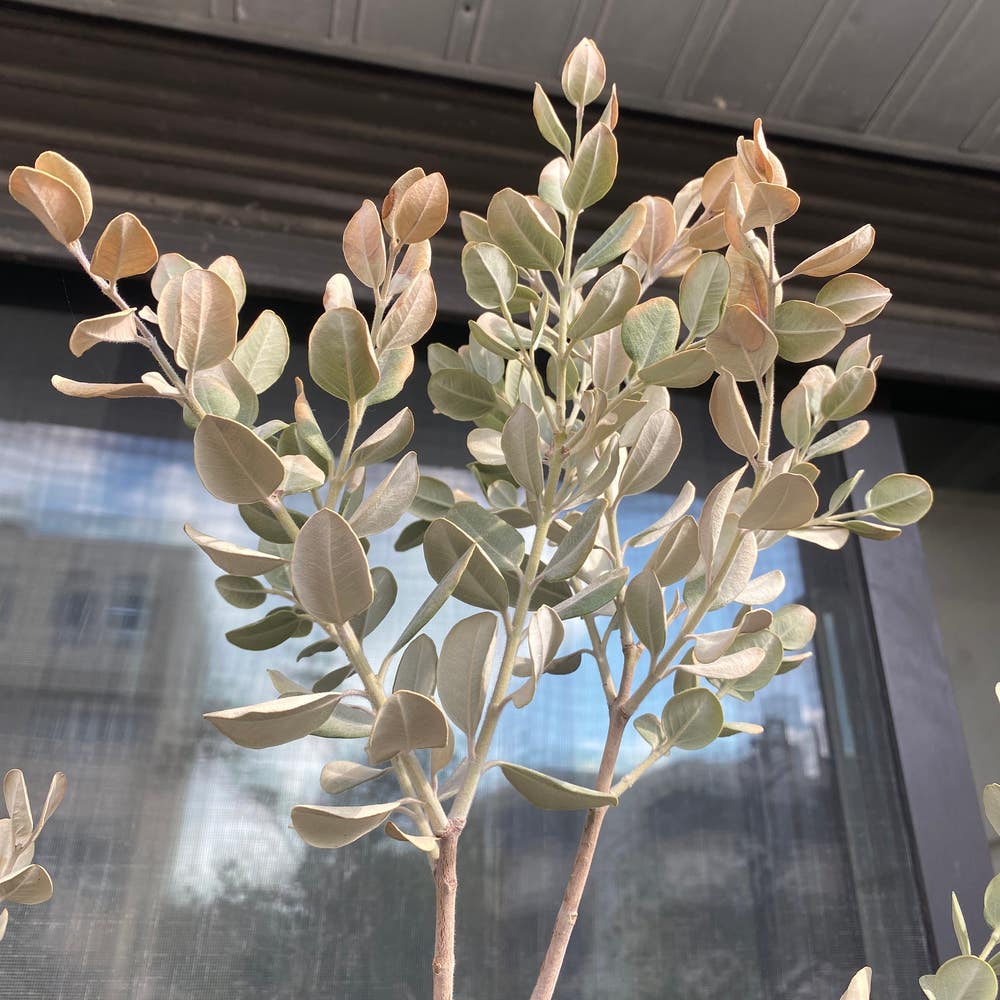
🌞 Light Requirements For Your Lehua
Metrosideros polymorpha
By the Greg Editorial Team
Nov 08, 2024•5 min read
This article was created with the help of AI so we can cover more plants for you. May contain errors. See one? Report it here.
- ☀️ Lehua needs 6-8 hours of direct sunlight daily for optimal growth and blooms.
- 🌱 Indoor Lehua thrives in bright indirect light to avoid leaf burn.
- 💡 Use grow lights in winter or low-light areas to ensure healthy growth.
Ideal Light Conditions for Outdoor Growth
🌞 Full Sun Requirements
Full sun is defined as receiving 6-8 hours of direct sunlight each day. This level of exposure is crucial for your Lehua, as it promotes vigorous growth and abundant flowering.
When your Lehua basks in full sun, it not only flourishes but also enhances its overall health and resilience. This robust light condition helps the plant fend off pests and diseases, ensuring a vibrant and thriving garden.
🌤️ Partial Shade Conditions
Partial shade means your Lehua gets 3-6 hours of direct sunlight or filtered light. This condition can be particularly beneficial in certain situations.
For instance, if you live in an area with extreme heat or harsh winds, partial shade offers protection. It's also ideal for younger plants or during the hottest months, allowing them to grow strong without the stress of intense sunlight.
In summary, understanding the light requirements for your Lehua is essential for its growth and flowering potential. With the right conditions, your plant will not only survive but thrive, setting the stage for a beautiful display in your garden.
Next, we’ll explore optimal indoor lighting for Lehua to ensure they continue to flourish even when kept indoors.
Optimal Indoor Lighting for Lehua
Bright Indirect Light 🌤️
Bright indirect light is essential for indoor Lehua. This type of light is bright but does not directly hit the plant, creating a gentle environment for growth.
Mimicking natural habitat conditions is crucial for Lehua's health. This lighting supports robust growth without the risk of leaf burn, allowing your plant to thrive indoors.
Placement Recommendations 🪴
For optimal light exposure, place your Lehua near south or west-facing windows. These locations provide the best natural light throughout the day.
Avoid dark corners or areas with limited light, as they can hinder your plant's growth. Ensuring your Lehua receives adequate light will keep it vibrant and healthy.
With the right lighting and placement, your indoor Lehua can flourish beautifully, setting the stage for the next topic on the role of light in flowering.
The Role of Light in Flowering
Light Requirements for Flowering 🌼
Adequate light exposure is crucial for your Lehua to bloom beautifully. Sufficient light triggers the flowering response, ensuring that your plant produces vibrant and healthy flowers.
Optimal light intensity not only supports blooming but also enhances the overall vibrancy of the flowers. This means that your Lehua will not only flower but do so in a way that showcases its full potential.
Timing and Conditions for Flowering ⏰
Seasonal changes play a significant role in the flowering of Lehua. Typically, flowering occurs during the longer daylight months when the plant receives more sunlight.
The duration of light exposure is equally important. Longer days encourage more prolific blooming, allowing your Lehua to thrive and display its stunning flowers.
By understanding these light requirements and timing, you can create the perfect conditions for your Lehua to flourish. This knowledge sets the stage for the next topic: the benefits of using grow lights for indoor Lehua care.
Benefits of Using Grow Lights for Indoor Lehua
🌟 Types of Grow Lights
When it comes to grow lights, two popular options stand out: LED and fluorescent lights.
LED grow lights are energy-efficient and offer an adjustable spectrum, making them ideal for various growth stages. They provide the right wavelengths for photosynthesis while consuming less power.
Fluorescent lights are another great choice, especially for seedlings and plants with lower light needs. They emit a softer light that can be perfect for nurturing young Lehua plants.
⏰ When to Use Grow Lights
Understanding when to use grow lights can make a significant difference in your Lehua's health.
Consider using grow lights during winter months when natural light is scarce. They are also beneficial for plants that are far from windows, ensuring your Lehua gets the light it craves.
⏳ Optimal Light Duration
To keep your Lehua thriving, aim for a light schedule of 12-16 hours per day.
Consistency is key; a regular light cycle supports both growth and flowering. This routine mimics natural conditions, helping your plant flourish indoors.
With the right grow lights and light duration, your indoor Lehua can thrive, bringing a touch of nature into your home. Next, let’s explore the signs that indicate your Lehua might not be getting enough light.
Signs of Inadequate Light for Lehua
👀 Visual Indicators
When your Lehua isn't getting enough light, it will show clear signs. Look out for yellowing leaves, which indicate stress, as well as leggy growth where the plant stretches toward the light source.
Another red flag is reduced or absent blooms. If your Lehua isn't flowering as expected, inadequate light could be the culprit.
🧠 Behavioral Changes
In addition to visual cues, pay attention to growth patterns. Slower growth rates or stunted development often signal that your plant is struggling due to insufficient light.
Moreover, a lack of proper lighting can compromise overall plant health. This makes your Lehua more vulnerable to pests and diseases, which can further hinder its growth.
💡 Solutions for Insufficient Light
If you notice these signs, it's time to take action. Start by adjusting your plant's placement to ensure it receives better light exposure.
If natural light is still lacking, consider implementing grow lights. These can effectively supplement the light your Lehua needs to thrive.
By addressing these light issues promptly, you can help your Lehua regain its vigor and beauty. Next, let’s explore the benefits of using grow lights for indoor Lehua.
⚠️ Safety First
This content is for general information and may contain errors, omissions, or outdated details. It is not medical, veterinary advice, or an endorsement of therapeutic claims.
Always consult a qualified healthcare professional before using any plant as food, medicine, or supplement.
Never eat any plant (or feed one to pets) without confirming its identity with at least two trusted sources.
If you suspect poisoning, call Poison Control (800) 222-1222, the Pet Poison Helpline (800) 213-6680, or your local emergency service immediately.
Spotted an error? Please report it here.
Help your Lehua shine bright 🌞 by using Greg's tailored light tips and reminders to ensure it gets the optimal sunlight it craves for stunning blooms!