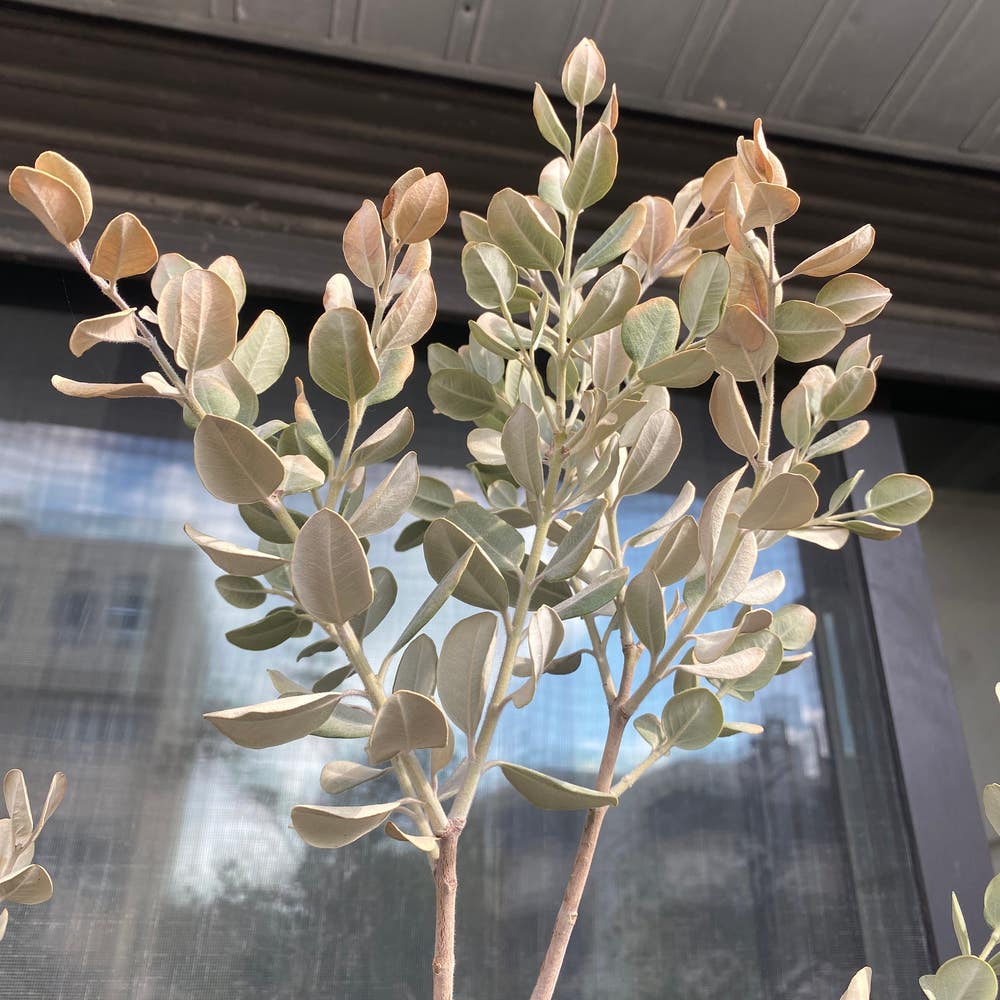
🌺 Ultimate Guide to Ohi'a Lehua Roots
Metrosideros polymorpha
By the Greg Editorial Team
Nov 22, 2024•6 min read
This article was created with the help of AI so we can cover more plants for you. May contain errors. See one? Report it here.
- 🌱 Ohi'a Lehua roots thrive in volcanic soils, ensuring stability and nutrient uptake.
- 💧 Deep watering techniques are crucial for robust taproot development and preventing rot.
- 🌧️ Active growth occurs during wet seasons, enhancing root expansion and overall health.
Root System Characteristics
🌱 Type of Root System
The Ohi'a Lehua features a prominent taproot system that extends deep into the soil. This adaptation allows the plant to access deep water sources, ensuring its survival in Hawaii's often dry conditions.
🔍 Specific Characteristics
Ohi'a Lehua roots are uniquely adapted to thrive in volcanic soils, which can be challenging for many plants. Their design provides stability and efficient nutrient uptake, crucial for growth in such environments.
🌍 Wide Root Spread
The roots of the Ohi'a Lehua spread wide, helping the plant establish itself in diverse habitats. This extensive root network interacts effectively with surrounding soil and moisture, enhancing its resilience and ability to thrive.
These characteristics not only support the plant's growth but also contribute to the overall health of the ecosystem. Understanding these root system traits is essential for anyone looking to cultivate or care for Ohi'a Lehua effectively.
As we explore further, we'll delve into the depth, spread, and growth patterns of this remarkable plant.
Depth, Spread, and Growth Patterns
🌱 Typical Depth and Spread
The Ohi'a Lehua boasts an impressive taproot that typically reaches depths of 3 to 6 feet (0.9 to 1.8 meters). This deep root system allows the plant to access moisture and nutrients from deeper soil layers, ensuring its survival in challenging environments.
In addition to its taproot, the lateral roots can spread up to 10 feet (3 meters) or more. This wide root spread enhances stability and helps the plant thrive in diverse habitats, allowing it to interact effectively with surrounding soil and moisture.
📈 Growth Patterns
When it comes to growth rate, the Ohi'a Lehua can be classified as moderate to fast, depending on environmental conditions. Factors such as soil quality, moisture availability, and sunlight play a significant role in how quickly this plant can grow.
Seasonal variations also influence growth patterns. The Ohi'a Lehua tends to exhibit active growth during wet seasons, taking full advantage of the increased moisture to expand its root system and foliage. This adaptability is key to its resilience in various ecosystems.
As we delve deeper into the care of Ohi'a Lehua, understanding how to manage watering and fertilization will be crucial for maintaining its health and vigor.
Watering, Fertilizing, and Transplanting
🌱 How Root System Affects Watering Needs
Watering is crucial for the health of Ohi'a Lehua roots. Deep watering techniques encourage the development of a robust taproot, allowing the plant to access moisture from deeper soil layers.
Aim to water every 1-2 weeks, adjusting based on rainfall. This approach ensures that the roots receive adequate hydration without becoming waterlogged.
🌿 Fertilization Techniques
Fertilization plays a significant role in supporting root health. Use a balanced NPK fertilizer, such as 10-10-10, or consider organic options for a more natural approach.
Fertilize every 6-8 weeks during the growing season to provide essential nutrients. This regular feeding helps maintain vigorous growth and strong root systems.
🌍 Best Practices for Transplanting
Transplanting Ohi'a Lehua requires careful timing and technique. The best times to transplant are early spring or fall, allowing the plant to establish itself in favorable conditions.
Follow these steps for successful transplanting:
- Prepare the new planting hole, making it twice the width of the root ball.
- Water the plant thoroughly before removal to minimize stress.
- Gently remove the plant, preserving as much root structure as possible.
- Place the plant in the new hole, backfill with soil, and water well to settle the roots.
By following these practices, you can ensure a smooth transition for your Ohi'a Lehua, promoting healthy growth in its new environment.
With proper watering, fertilizing, and transplanting techniques, your Ohi'a Lehua will thrive, setting the stage for exploring common root-related issues next.
Common Root-Related Issues
🕵️♂️ Identifying Problems
Root health is crucial for the overall vitality of Ohi'a Lehua plants. One of the most common issues is root rot, which manifests as wilting and yellowing leaves.
Another concern is pest infestations, particularly from nematodes. These pests can cause significant root damage, leading to stunted growth and poor plant health.
🛠️ Prevention and Solutions
To keep your Ohi'a Lehua thriving, proper watering techniques are essential. Avoid overwatering, as this can lead to root rot; instead, water deeply but infrequently.
Improving soil drainage and aeration is also vital. Consider adding soil amendments like perlite or sand to enhance these properties.
Regular inspections of root health can catch problems early. Look for signs of distress, such as discoloration or unusual growth patterns, to address issues before they escalate.
By staying proactive, you can ensure your Ohi'a Lehua roots remain healthy and robust, setting the stage for vibrant growth.
Next, we’ll explore how to recognize indicators of root health and what to do when things go awry.
Root Health Indicators
👀 Visual Cues of Healthy Roots
Healthy roots are a gardener's pride. Look for firm, white or light tan roots that show no signs of decay.
Abundant root growth is another positive indicator, filling the pot or planting area and suggesting a thriving plant.
🚨 Signs of Unhealthy Roots and Corrective Measures
Unhealthy roots can be a major concern. Dark, mushy roots often indicate rot, while stunted growth or yellowing leaves signal root stress.
To address these issues, consider pruning damaged roots and improving soil conditions. This can help restore the plant's health and vigor.
By staying vigilant about root health, you can ensure your Ohi'a Lehua thrives beautifully. Next, let's explore resilience and propagation techniques to further enhance your gardening success.
Resilience and Propagation
🌱 Role in Overall Health
A robust root system is crucial for nutrient uptake and stability in Ohi'a Lehua plants. Healthy roots directly correlate with overall plant vigor, ensuring the plant thrives in its environment.
🔍 Recognizing Rootbound Conditions
Rootbound conditions occur when roots circle the pot, limiting growth space. Signs include roots emerging from drainage holes and stunted growth, indicating the plant needs attention.
🛠️ Addressing Rootbound Issues
Knowing when to repot or divide your Ohi'a Lehua is essential for its health. Follow these steps to alleviate rootbound conditions:
- Carefully remove the plant from its pot.
- Trim any circling roots and untangle them if necessary.
- Repot the plant in a larger container filled with fresh soil.
🌿 Importance in Propagation
Healthy roots are vital for successful propagation and establishment of new plants. For division, timing is key; aim for early spring or fall for the best results.
When propagating from cuttings, ensure adequate root development before transplanting. This practice sets the stage for strong growth and resilience in new plants.
In summary, nurturing the root system of Ohi'a Lehua not only enhances its health but also supports successful propagation. With proper care, your plants will flourish and contribute to the beauty of their surroundings.
⚠️ Safety First
This content is for general information and may contain errors, omissions, or outdated details. It is not medical, veterinary advice, or an endorsement of therapeutic claims.
Always consult a qualified healthcare professional before using any plant as food, medicine, or supplement.
Never eat any plant (or feed one to pets) without confirming its identity with at least two trusted sources.
If you suspect poisoning, call Poison Control (800) 222-1222, the Pet Poison Helpline (800) 213-6680, or your local emergency service immediately.
Spotted an error? Please report it here.
Unlock the secrets of Ohi'a Lehua roots 🌱 with Greg's tailored watering and fertilization reminders to keep your plant thriving and resilient in any environment!