🌺 How Fast A Ohi'a Lehua Grows
Metrosideros polymorpha
By the Greg Editorial Team
Nov 22, 2024•6 min read
This article was created with the help of AI so we can cover more plants for you. May contain errors. See one? Report it here.
- 🌱 Ohi'a Lehua seeds germinate in 2 to 4 weeks under optimal conditions.
- 🌞 Ideal temperatures for growth range from 70°F to 85°F (21°C to 29°C).
- 🌳 Mature trees can reach heights of up to 10 feet in 10 to 20 years.
Germination Stage
🕒 Duration of Germination
The germination period for Ohi'a Lehua seeds typically spans 2 to 4 weeks. This timeframe is crucial as it sets the foundation for the plant's growth journey.
🌱 Conditions for Successful Germination
To ensure successful germination, several conditions must be met:
Optimal Temperature
The ideal temperature range is between 70°F to 85°F (21°C to 29°C). This warmth encourages the seeds to sprout effectively.
Soil Requirements
Ohi'a Lehua thrives in well-draining soil with a slightly acidic to neutral pH, ideally between 6.0 to 7.0. This balance allows for optimal nutrient uptake.
Moisture Levels
Maintaining consistent moisture is vital, but avoid waterlogging. The seeds need damp conditions to germinate without drowning.
Light Exposure
Seeds prefer indirect sunlight or partial shade during germination. Too much direct sunlight can hinder their growth.
Understanding these germination conditions is essential for anyone looking to cultivate Ohi'a Lehua successfully. With the right environment, these seeds can flourish and contribute to the vibrant Hawaiian ecosystem.
As we move forward, let’s explore the next stage: the seedling growth phase, where these young plants begin to establish themselves.
Seedling Stage
Duration of Seedling Growth 🌱
The seedling stage of the Ohi'a Lehua lasts approximately 3 to 6 months. During this time, the plant establishes itself and prepares for future growth.
Characteristics of Seedlings 🌿
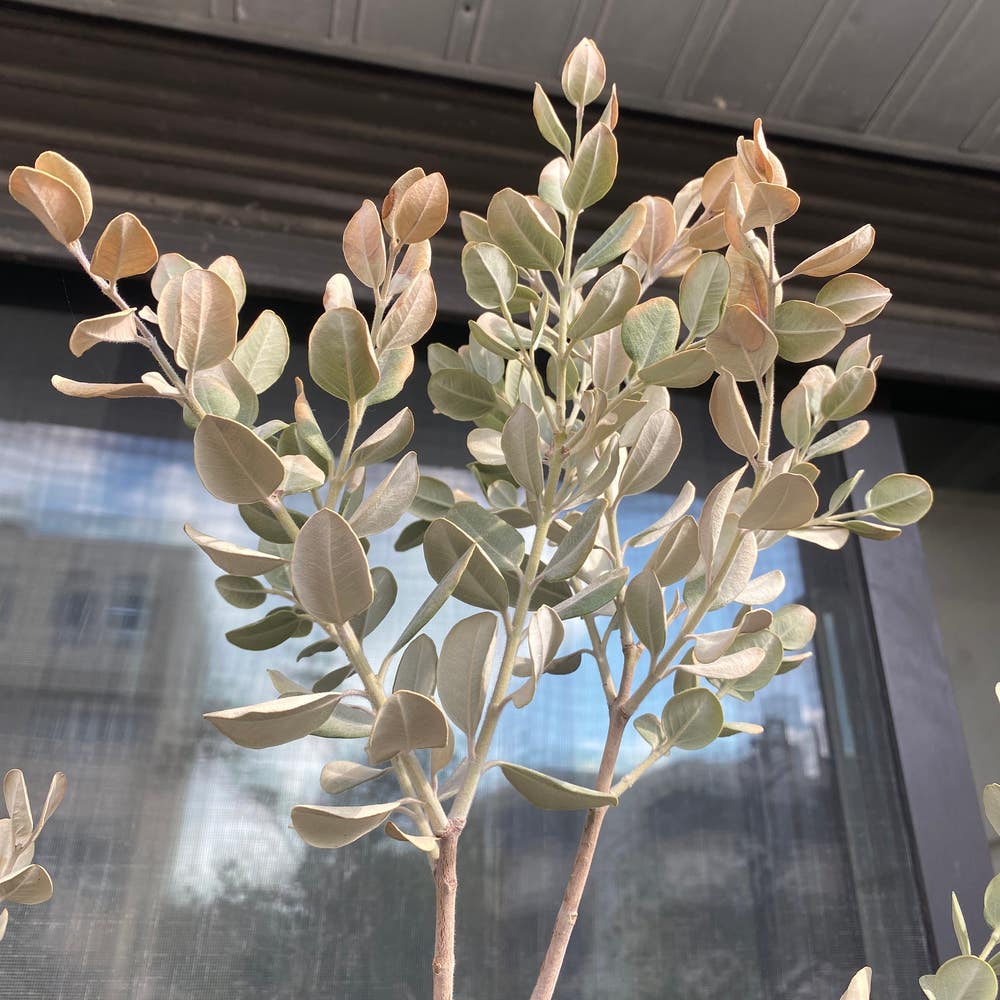
Ohi'a Lehua seedlings typically reach an initial height of 2 to 12 inches. Their small, rounded leaves are glossy, giving them a vibrant appearance.
Root Development 🌍
A strong taproot develops during this stage, which is crucial for nutrient absorption. This robust root system helps the plant anchor itself and access essential resources.
Vulnerability ⚠️
While seedlings are full of potential, they are also vulnerable to environmental stressors and pests. Proper care and attention during this phase are vital for their survival.
As the seedlings mature, they will transition into the vegetative growth stage, where they will continue to thrive and develop further.
Vegetative Growth Stage
Duration of Vegetative Growth 🌱
The vegetative growth stage of the Ohi'a Lehua can last anywhere from 1 to 5 years. This duration largely depends on the environmental conditions in which the plant is growing.
Changes in Plant Structure and Health 🌿
During this stage, you can expect significant changes in the plant's structure and overall health.
Height Increase
In just a few years, the Ohi'a Lehua can reach heights of up to 10 feet. This rapid growth is a testament to its adaptability and resilience.
Leaf Changes
As the plant matures, it transitions from small, rounded juvenile leaves to larger, more lobed adult foliage. This change not only enhances its appearance but also improves its ability to photosynthesize effectively.
Branching
The branching structure becomes more complex as the plant develops. This complexity supports a healthier ecosystem by providing habitats for various organisms.
Health Indicators
Robust growth and vibrant green foliage are key indicators of a healthy Ohi'a Lehua. If you notice these signs, it’s a good indication that the plant is thriving in its environment.
As the Ohi'a Lehua progresses through its vegetative growth stage, it sets the foundation for the next exciting phase: flowering and seed production.
Flowering and Seed Production Stage
Duration of Flowering 🌸
The flowering period of the Ohi'a Lehua typically occurs from late winter to early spring. This vibrant display lasts several weeks, showcasing the plant's stunning beauty.
Description of Flowers and Pollination 🐦
Ohi'a Lehua flowers are bright red and resemble pom-poms, making them a striking sight in their natural habitat. These flowers attract native pollinators, primarily birds like the 'i'iwi and 'apapane, which play a crucial role in the pollination process.
Duration of Seed Production ⏳
After the flowering phase, seed production can occur within 6 to 12 months. This quick turnaround is essential for the plant's reproductive success.
Overview of Seed Dispersal Mechanisms 🌬️
The seeds of the Ohi'a Lehua are small and lightweight, allowing them to be easily dispersed by the wind. This natural dispersal method enables the seeds to travel significant distances, aiding in the colonization of new areas.
- Germination Potential: The seeds have high germination rates in suitable conditions, which contributes to the overall population growth of the species.
The flowering and seed production stage is vital for the Ohi'a Lehua, ensuring its survival and resilience in diverse environments. As we move on, we'll explore how these plants grow and mature over time, adapting to their surroundings and playing a crucial role in their ecosystems.
Growth Rate and Maturation
How Long Until Ohi'a Lehua is Fully Grown? 🌳
The Ohi'a Lehua tree takes about 10 to 20 years to reach full maturity. During this time, it experiences significant growth, especially in its early decades.
Factors Affecting Growth Rate 🌱
Several factors influence how quickly the Ohi'a Lehua grows:
- Environmental Conditions: Soil quality, moisture levels, and sunlight exposure are critical for optimal growth.
- Competition: The presence of other vegetation can either hinder or promote growth rates.
- Climate: Temperature and rainfall patterns play a vital role in the tree's development.
Comparison of Growth Rates in Different Environments 🌍
Growth rates can vary significantly based on the tree's habitat:
- Coastal vs. High Elevation: Ohi'a Lehua may grow faster in coastal areas compared to higher elevations due to differences in climate and soil conditions.
- Adaptability: This tree's ability to thrive in diverse environments showcases its resilience and versatility.
Notable Changes Throughout the Life Cycle 🌼
As the Ohi'a Lehua matures, it undergoes remarkable transformations:
Physical Changes: The tree transitions from small, rounded juvenile leaves to larger, lobed adult leaves. It also develops a sturdy trunk and a complex branching structure.
Ecological Role: In its early stages, the Ohi'a Lehua provides habitat and food for various organisms. As it matures, it becomes a keystone species in Hawaiian ecosystems, supporting biodiversity.
Adaptations: The tree has evolved to thrive in various soil types and moisture levels. Its resilience to climatic changes and disturbances ensures its survival and reproduction.
Understanding the growth rate and maturation of the Ohi'a Lehua not only highlights its ecological importance but also emphasizes the need for conservation efforts. Next, we will explore the flowering and seed production stage, which is crucial for the continuation of this remarkable species.
⚠️ Safety First
This content is for general information and may contain errors, omissions, or outdated details. It is not medical, veterinary advice, or an endorsement of therapeutic claims.
Always consult a qualified healthcare professional before using any plant as food, medicine, or supplement.
Never eat any plant (or feed one to pets) without confirming its identity with at least two trusted sources.
If you suspect poisoning, call Poison Control (800) 222-1222, the Pet Poison Helpline (800) 213-6680, or your local emergency service immediately.
Spotted an error? Please report it here.
Embark on the thrilling journey of growing your Ohi'a Lehua 🌱 with Greg's tailored care reminders and expert tips to help your plant flourish every step of the way!