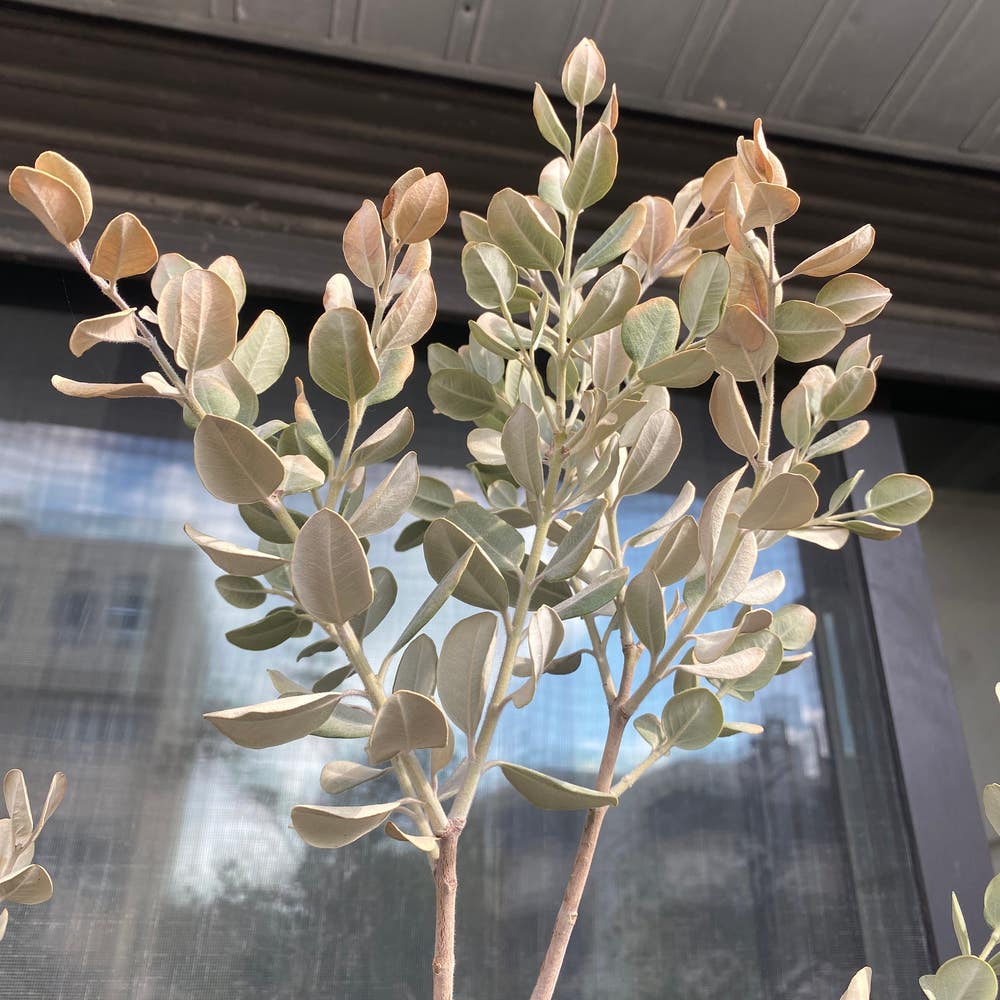
Best Humidity Levels for Ohi'a Lehua 💧
Metrosideros polymorpha
By the Greg Editorial Team
Nov 22, 2024•5 min read
This article was created with the help of AI so we can cover more plants for you. May contain errors. See one? Report it here.
- 🌱 Ideal humidity for Ohi'a Lehua is 50%-70% for optimal growth and flowering.
- ❌ Humidity below 50% causes stunted growth and wilting leaves in Ohi'a Lehua.
- 💧 Excess humidity above 70% can lead to mold and health issues for the plant.
Ideal Humidity Range for Optimal Growth
Recommended humidity levels 🌧️
For Ohi'a Lehua, the ideal humidity range is between 50% and 70%. This level not only supports healthy growth but also enhances flowering and foliage vitality.
Maintaining this humidity range is crucial. When humidity levels drop below 50%, you may notice stunted growth or wilting leaves, while levels above 70% can lead to mold and other issues.
Monitoring humidity 📏
Consistent moisture levels are essential for the health of your Ohi'a Lehua. Regularly checking humidity can help you catch fluctuations early, ensuring your plant thrives.
Using a hygrometer can simplify this process. By keeping an eye on humidity, you can adjust your care routine to keep your plant happy and healthy.
Understanding and managing humidity is key to nurturing your Ohi'a Lehua. With the right conditions, you can enjoy a flourishing plant that brings beauty to your space.
Next, we’ll explore how to measure humidity and the impact of local conditions on your plant's care.
Humidity Measurement and Local Conditions
Difference between absolute and relative humidity 🌫️
Understanding humidity is crucial for the health of your Ohi'a Lehua. Absolute humidity measures the actual amount of water vapor in the air, expressed in grams per cubic meter. In contrast, relative humidity indicates how much moisture is in the air compared to the maximum amount it can hold at a given temperature, expressed as a percentage.
For Ohi'a Lehua, both types of humidity matter. Knowing the difference helps you create an environment that supports optimal growth and flowering.
Importance of local humidity conditions 🌍
Local humidity levels can vary significantly based on geographic location. Coastal areas may experience higher humidity, while arid regions can be quite dry. This variability impacts how you care for your Ohi'a Lehua, making it essential to tailor your humidity strategies accordingly.
Adapting your care practices to local conditions ensures your plants thrive. Whether you need to increase humidity in a dry climate or manage excess moisture in a humid area, understanding your environment is key to successful Ohi'a Lehua cultivation.
As you consider these factors, remember that effective humidity management is a dynamic process. It requires ongoing observation and adjustment to keep your plants healthy and flourishing.
Strategies for Managing Humidity
🌧️ Methods to Boost Humidity
Using Humidifiers
Humidifiers are essential tools for maintaining the right humidity levels for your Ohi'a Lehua. You can choose between cool mist and warm mist humidifiers, each offering unique benefits depending on your environment.
Placement is crucial; position your humidifier near your plants but avoid direct contact to prevent waterlogging. Regular maintenance, such as cleaning the unit and refilling the water, ensures optimal performance.
Grouping Plants Together
Clustering your Ohi'a Lehua with other plants can create a beneficial microenvironment. This strategy enhances humidity levels as plants release moisture through transpiration.
For optimal airflow, ensure there's adequate spacing between plants. This prevents overcrowding while still allowing them to benefit from the increased humidity.
Pebble Trays and Water Features
Creating pebble trays is a simple yet effective way to boost humidity. Fill a shallow tray with pebbles and add water, then place your pots on top, allowing evaporation to increase moisture in the air.
Position these trays near your plants to maximize humidity levels. Water features, like small fountains, can also contribute to a more humid environment.
🌬️ Methods to Reduce Humidity
Air Circulation Techniques
Maintaining airflow is vital for preventing stagnant air, which can lead to mold and pests. Use fans or open windows to promote circulation around your Ohi'a Lehua.
This not only helps regulate humidity but also keeps your plants healthy by ensuring they receive fresh air.
Choosing Appropriate Potting Materials
Selecting well-draining soil is essential for managing humidity levels. This prevents excess moisture from accumulating, which can harm your plant's roots.
Additionally, use pots with drainage holes to allow excess water to escape. This simple choice can significantly impact your plant's health and humidity management.
With these strategies in place, you can create an ideal environment for your Ohi'a Lehua, ensuring it thrives in the right humidity conditions. Next, let’s explore how seasonal changes can affect humidity levels and what adjustments you can make to your care routine.
Seasonal Considerations
🌦️ How seasonal changes affect humidity levels
Seasonal changes can significantly impact humidity levels, affecting the health of your Ohi'a Lehua. During winter, indoor humidity often drops due to heating systems, which can lead to dry air that stresses your plants.
Understanding these fluctuations is crucial for maintaining optimal growth conditions. In contrast, summer typically brings higher humidity, which can benefit your plants if managed correctly.
🌱 Adjusting humidity strategies based on seasons
To keep your Ohi'a Lehua thriving, adjust your humidity strategies with the seasons. In summer, consider misting your plants regularly and adding water features to boost moisture levels.
During winter, using humidifiers becomes essential to combat dry air. Regularly monitor air quality to ensure your plants receive the humidity they need to flourish.
By adapting your care practices to seasonal changes, you can create a nurturing environment for your Ohi'a Lehua year-round.
⚠️ Safety First
This content is for general information and may contain errors, omissions, or outdated details. It is not medical, veterinary advice, or an endorsement of therapeutic claims.
Always consult a qualified healthcare professional before using any plant as food, medicine, or supplement.
Never eat any plant (or feed one to pets) without confirming its identity with at least two trusted sources.
If you suspect poisoning, call Poison Control (800) 222-1222, the Pet Poison Helpline (800) 213-6680, or your local emergency service immediately.
Spotted an error? Please report it here.
Keep your Ohi'a Lehua flourishing by maintaining humidity levels between 50% and 70%, and let Greg provide you with tailored reminders 🌿 to create the perfect environment for your plant's success!