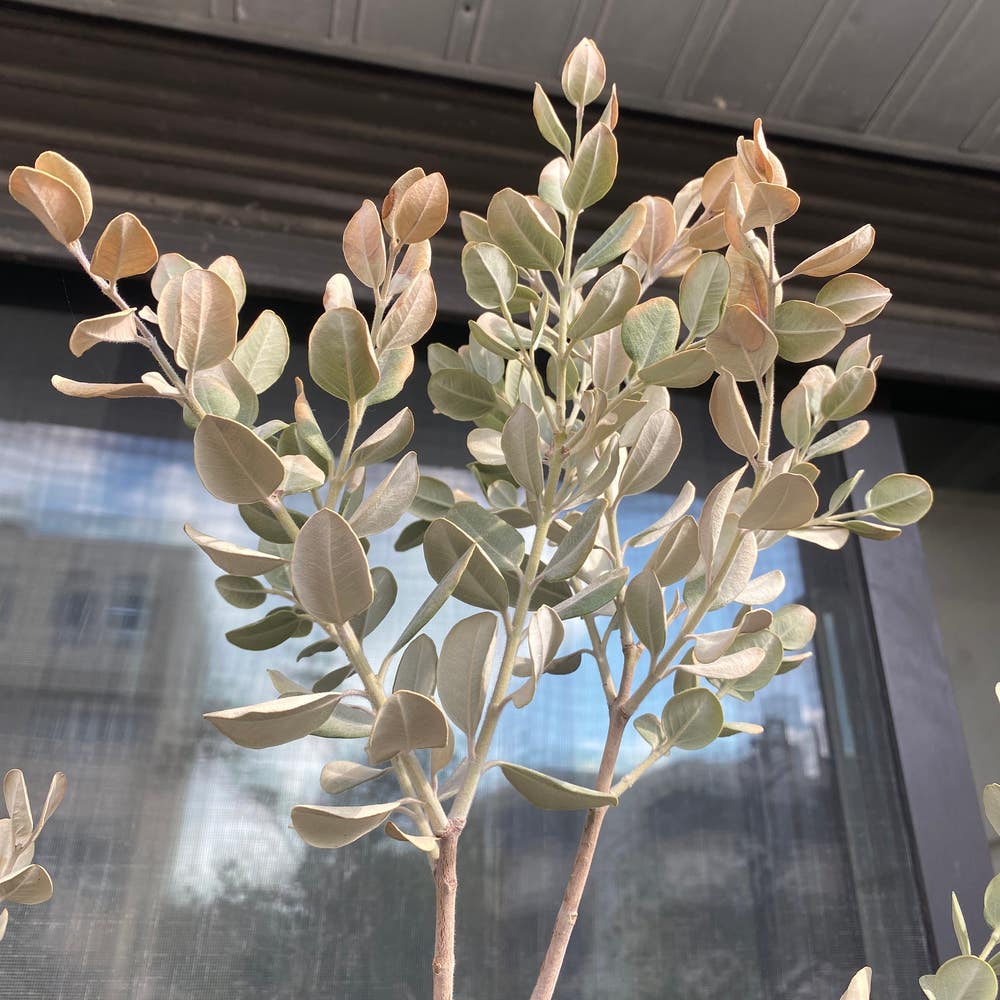
🌺 Ohi'a Lehua - Fertilizing 101
Metrosideros polymorpha
By the Greg Editorial Team
Nov 22, 2024•6 min read
This article was created with the help of AI so we can cover more plants for you. May contain errors. See one? Report it here.
- 🌱 Organic vs. synthetic fertilizers: Choose based on nutrient release speed for Ohi'a Lehua.
- 🌼 Ideal NPK ratios: Use 3-1-2 or 10-10-10 for balanced growth and blooming.
- 🗓️ Fertilize every 6-8 weeks during growth; adjust frequency as plants enter dormancy.
Types of Fertilizers
🌱 Organic vs. Synthetic Fertilizers
When it comes to fertilizing your Ohi'a Lehua, understanding the difference between organic and synthetic fertilizers is crucial. Organic fertilizers, such as compost, fish emulsion, and seaweed extract, offer a slow nutrient release, enhancing soil health over time.
On the other hand, synthetic fertilizers provide quick nutrient availability, which can be beneficial but also poses a risk of over-fertilization. Choosing the right type depends on your gardening goals and the specific needs of your plants.
📊 Recommended NPK Ratios
NPK ratios are essential for balanced growth. For Ohi'a Lehua, ideal ratios include 3-1-2 or 10-10-10, ensuring your plants receive a well-rounded nutrient profile.
As your plants grow, adjusting these ratios is key. Higher nitrogen levels support vegetative growth, while increased phosphorus is vital during the blooming phase.
⏳ Slow-Release vs. Quick-Release Fertilizers
Slow-release fertilizers are fantastic for providing a consistent nutrient supply over time. They reduce the risk of nutrient leaching and help maintain steady growth.
Conversely, quick-release fertilizers are perfect for addressing immediate nutrient needs. Timing your application is essential; use them when your plants show signs of nutrient deficiency or during critical growth phases.
Understanding these types of fertilizers will set you up for success in nurturing your Ohi'a Lehua. Next, let’s explore the best fertilizing schedule to keep your plants thriving throughout the year.
Fertilizing Schedule
Best Times to Fertilize 🌱
Timing is everything when it comes to fertilizing your Ohi'a Lehua. Spring marks the start of the growth phase, making it the perfect time to give your plants a nutrient boost.
As summer rolls in, early summer is ideal for enhancing blooming potential. Late summer, on the other hand, is all about preparing your plants for dormancy, ensuring they have the nutrients they need to rest and rejuvenate.
Seasonal Considerations for Fertilization ☔️
When fertilizing, consider the weather. Adjust your fertilization schedule based on rainfall and temperature to ensure your plants receive the right amount of nutrients.
In Hawaii, the unique climate significantly impacts nutrient uptake. Understanding these seasonal variations can help you optimize your fertilization strategy.
Frequency of Fertilization Throughout the Year 📅
During the growing season, aim to fertilize every 6-8 weeks. This regular schedule supports healthy growth and vibrant blooms.
As your plants enter dormancy, reduce the frequency of fertilization. This adjustment allows them to conserve energy and nutrients during their resting phase.
With a solid understanding of the fertilizing schedule, you're well on your way to nurturing healthy Ohi'a Lehua plants. Next, let’s explore effective application techniques to ensure those nutrients reach your plants efficiently.
Application Techniques
How to Apply Fertilizer 🌱
When it comes to applying fertilizer, you have two main options: granular and liquid fertilizers. Granular fertilizers are easy to use and provide a slow release of nutrients, while liquid fertilizers offer quick nutrient availability.
To apply fertilizer effectively, follow this simple step-by-step process:
- Measure the appropriate amount based on package instructions.
- Evenly distribute the fertilizer around the base of the plant.
- Avoid direct contact with the stem to prevent damage.
Methods to Avoid Over-Fertilizing ⚠️
Over-fertilizing can harm your plants, so it’s crucial to follow recommended dosages. Always be vigilant for signs of over-fertilization, such as leaf burn or excessive leaf growth without blooms.
Adjust your application based on soil tests to ensure your plants receive the right nutrients. This proactive approach can help maintain a healthy balance in your garden.
Watering After Fertilization 💧
Watering after fertilization is essential to activate the nutrients and help them reach the roots. Deep watering is often recommended, as it encourages roots to grow deeper and access more nutrients.
Consider your timing: watering immediately after application can help dissolve the fertilizer, while waiting 24 hours allows the nutrients to settle. Choose the method that best suits your plants' needs for optimal growth.
As you refine your fertilization techniques, keep in mind the importance of monitoring your plants' responses. This will guide you in making necessary adjustments and ensure your Ohi'a Lehua thrives beautifully.
Troubleshooting Fertilization Issues
🌱 Identifying Over-Fertilization Symptoms
Over-fertilization can lead to several noticeable symptoms in your plants. One of the most common signs is leaf burn, characterized by browning tips and edges.
Another indicator is excessive leaf growth paired with poor blooming. If your plants are lush but not producing flowers, it might be time to reassess your fertilization strategy.
Soil salinity is another concern; look for a crusty residue on the soil surface, which suggests nutrient buildup. Monitoring these symptoms is crucial for maintaining plant health.
🚫 Solutions for Nutrient Burn
If you suspect nutrient burn, flushing the soil is an effective solution. Here’s a step-by-step guide:
- Water thoroughly to leach excess nutrients from the soil.
- Monitor your plant's recovery over the following weeks.
This process helps reset the nutrient balance in the soil. Additionally, adjusting your future fertilization practices can prevent recurrence.
📈 Adjusting Fertilization Based on Growth Stage
Understanding your plants' nutrient needs at different growth stages is vital. Young plants typically require less fertilizer than mature ones, as they are still developing their root systems.
Seasonal adjustments are also important. During the blooming phase, consider increasing nutrient levels to support flower production. Tailoring your fertilization approach ensures your plants thrive throughout their growth cycle.
By keeping an eye on these factors, you can effectively troubleshoot fertilization issues and promote healthy growth. Next, we’ll explore additional tips for ensuring your plants flourish.
Additional Tips for Healthy Growth
🌱 Companion Planting and Its Effect on Fertilization
Companion planting can significantly enhance nutrient uptake for your Ohi'a Lehua. By strategically pairing plants, you can create a symbiotic relationship that boosts growth and health.
Recommended companion plants include legumes, which fix nitrogen in the soil, and herbs like basil, which can deter pests. These combinations not only improve soil fertility but also promote a thriving garden ecosystem.
🧪 Soil Amendments to Enhance Nutrient Availability
Soil amendments are essential for optimizing nutrient availability in your garden. Compost and mycorrhizal fungi are two powerful options that can enrich your soil.
To apply these amendments, mix compost into the top layer of soil or use mycorrhizal fungi as a root dip before planting. This practice enhances nutrient absorption and supports healthy root development.
⚖️ Monitoring Soil pH for Optimal Nutrient Uptake
Maintaining the ideal soil pH is crucial for nutrient uptake in Ohi'a Lehua. Aim for a pH range of 6.0 to 7.0 to ensure your plants can access essential nutrients effectively.
To test soil pH, use a simple soil test kit or send a sample to a lab for analysis. If adjustments are needed, apply lime to raise pH or sulfur to lower it, ensuring your plants thrive in a balanced environment.
With these additional tips, you can foster a healthy growth environment for your Ohi'a Lehua. Next, let’s explore troubleshooting common fertilization issues to keep your plants flourishing.
⚠️ Safety First
This content is for general information and may contain errors, omissions, or outdated details. It is not medical, veterinary advice, or an endorsement of therapeutic claims.
Always consult a qualified healthcare professional before using any plant as food, medicine, or supplement.
Never eat any plant (or feed one to pets) without confirming its identity with at least two trusted sources.
If you suspect poisoning, call Poison Control (800) 222-1222, the Pet Poison Helpline (800) 213-6680, or your local emergency service immediately.
Spotted an error? Please report it here.
Fertilizing your Ohi'a Lehua for vibrant blooms 🌺 is a breeze with Greg's tailored reminders and nutrient tips, ensuring your plants thrive through every growth stage!