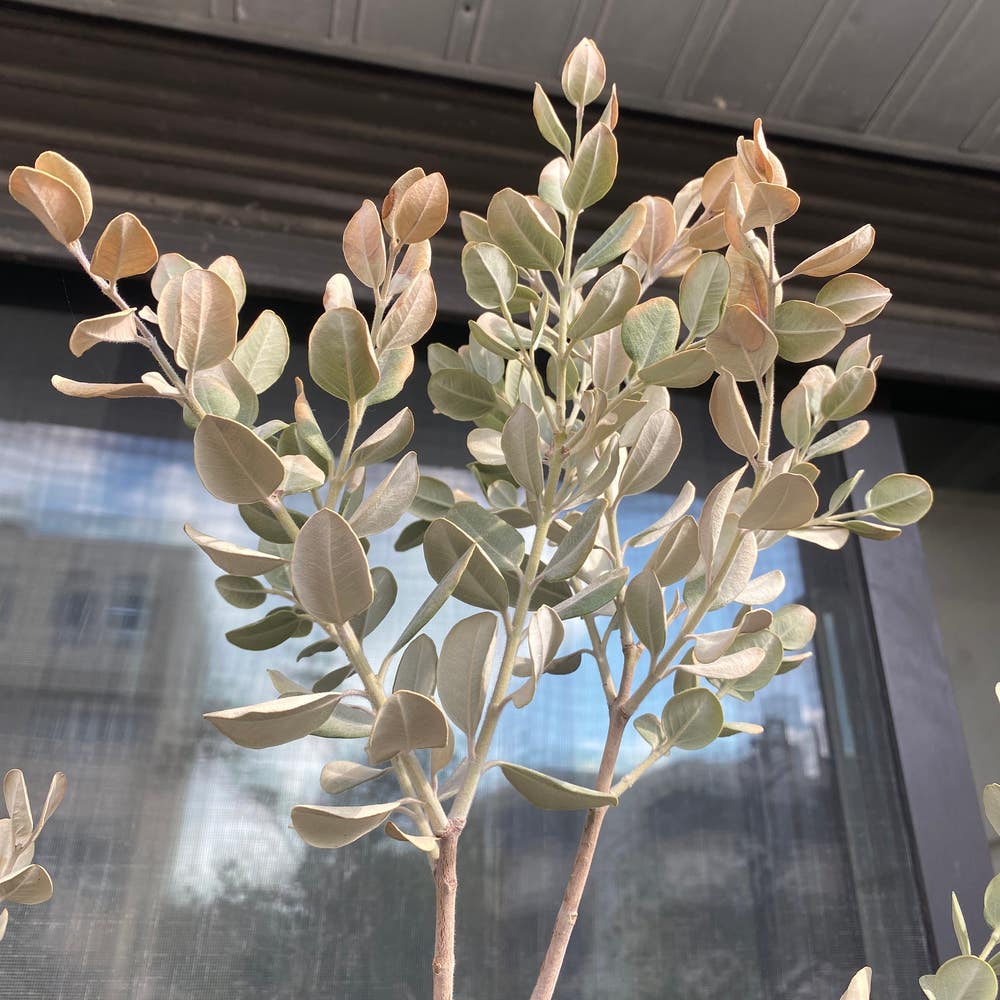
3 Winter Threats to Your Ohi'a Lehua ❄️
Metrosideros polymorpha
By the Greg Editorial Team
Nov 22, 2024•4 min read
This article was created with the help of AI so we can cover more plants for you. May contain errors. See one? Report it here.
- ❄️ Frost threatens Ohi'a Lehua; protect with frost cloth or burlap.
- 🌱 Adjust watering to every 2-4 weeks in winter to prevent root rot.
- 🌬️ Create windbreaks to shield plants from cold winds and frost damage.
Winter Care Strategies
Protecting from frost ❄️
Frost can be a silent killer for your Ohi'a Lehua, damaging both foliage and roots. Protecting your plants is crucial to ensure they thrive through the chilly months.
To shield your plants from frost, consider these effective measures:
- Covering plants: Use frost cloth or burlap during cold nights to create a protective barrier.
- Using mulch: Apply mulch around the base to insulate root systems and retain warmth.
- Creating windbreaks: Set up barriers to reduce exposure to cold winds, which can exacerbate frost damage.
Adjusting watering schedules during winter 💧
Winter is not the time for overwatering your Ohi'a Lehua. Adjusting your watering schedule is essential to prevent root rot and ensure your plants remain healthy.
Aim to reduce watering frequency to every 2-4 weeks, depending on rainfall. Watch for signs of overwatering, such as yellowing leaves and mushy roots, which can indicate that your plant is struggling.
Fertilizing considerations for winter 🌱
During winter dormancy, it's best to avoid fertilizing your Ohi'a Lehua. This practice helps conserve nutrients and prevents unnecessary stress on the plant.
Plan to resume fertilization in early spring as growth picks up again. This timing allows your plant to benefit from the nutrients when it needs them most, promoting robust growth as the weather warms.
With these winter care strategies in place, your Ohi'a Lehua will be well-prepared to face the cold. Next, let’s explore how to provide indoor care for your plants during the winter months.
Indoor Winter Care
🕒 When to bring indoors
As winter approaches, it's crucial to keep an eye on the forecast. If frost or extreme cold is predicted, it's time to bring your Ohi'a Lehua indoors.
Aim to move your plants inside before temperatures dip below 50°F (10°C). This proactive step helps protect them from cold damage.
🌱 Ideal indoor conditions
Once indoors, your Ohi'a Lehua needs the right environment to thrive. Ensure they receive bright, indirect sunlight for 6-8 hours each day to mimic their natural habitat.
Temperature is also key; maintain a cozy range between 60°F to 75°F (15°C to 24°C). Additionally, keep humidity levels moderate. If your home is dry, consider using a humidifier to create a more suitable atmosphere for your plants.
By providing these ideal conditions, you can help your Ohi'a Lehua flourish even during the cold winter months. As you prepare for spring, remember to monitor your plants closely for any signs of stress or adjustment needs.
Spring Preparation
Signs of recovery from winter damage 🌱
As winter fades, look for signs that your Ohi'a Lehua is bouncing back. New leaf growth and vibrant colors are excellent indicators of health.
Keep an eye out for pests as temperatures rise. Early detection can prevent infestations from taking hold.
Preparing for spring growth 🌼
To set your plant up for success, gradually increase watering as the weather warms. This helps the roots adjust and promotes healthy growth.
Start fertilizing with a balanced fertilizer to provide essential nutrients. Timing is key; early spring is ideal as your plant begins to awaken.
Don’t forget to prune dead or damaged branches. This encourages new growth and helps your Ohi'a Lehua thrive.
With these practices in place, your plant will be ready to flourish as spring unfolds. Transitioning into this vibrant season is all about nurturing and observing your plant's needs.
Common Winter Problems and Solutions
❄️ Identifying frost damage
Frost can be a sneaky adversary for your Ohi'a Lehua. Look out for symptoms like brown, wilted leaves and stunted growth, which signal that your plant has taken a hit from the cold.
The most vulnerable areas are typically the tips of branches and young leaves. These parts are often the first to show signs of frost damage, so keep a close eye on them.
🌱 Recovery techniques for winter-damaged plants
If you notice frost damage, immediate action is crucial. Start by pruning away any severely damaged areas; this helps the plant focus its energy on healing.
Next, ensure you water appropriately to encourage recovery. Overwatering can lead to further stress, so be mindful of the soil's moisture levels.
For long-term care, monitor your plant for signs of stress. Adjust your care routine as needed to support its recovery.
Consider applying a diluted seaweed solution to give your Ohi'a Lehua an extra boost. This natural remedy can enhance resilience and promote healthy growth as spring approaches.
With these strategies, your plant can bounce back from winter's challenges and thrive in the warmer months ahead. Now, let's explore how to prepare for the upcoming spring growth.
⚠️ Safety First
This content is for general information and may contain errors, omissions, or outdated details. It is not medical, veterinary advice, or an endorsement of therapeutic claims.
Always consult a qualified healthcare professional before using any plant as food, medicine, or supplement.
Never eat any plant (or feed one to pets) without confirming its identity with at least two trusted sources.
If you suspect poisoning, call Poison Control (800) 222-1222, the Pet Poison Helpline (800) 213-6680, or your local emergency service immediately.
Spotted an error? Please report it here.
Keep your Ohi'a Lehua thriving this winter ❄️ with Greg's tailored care reminders that help you protect it from frost and ensure a vibrant spring recovery!