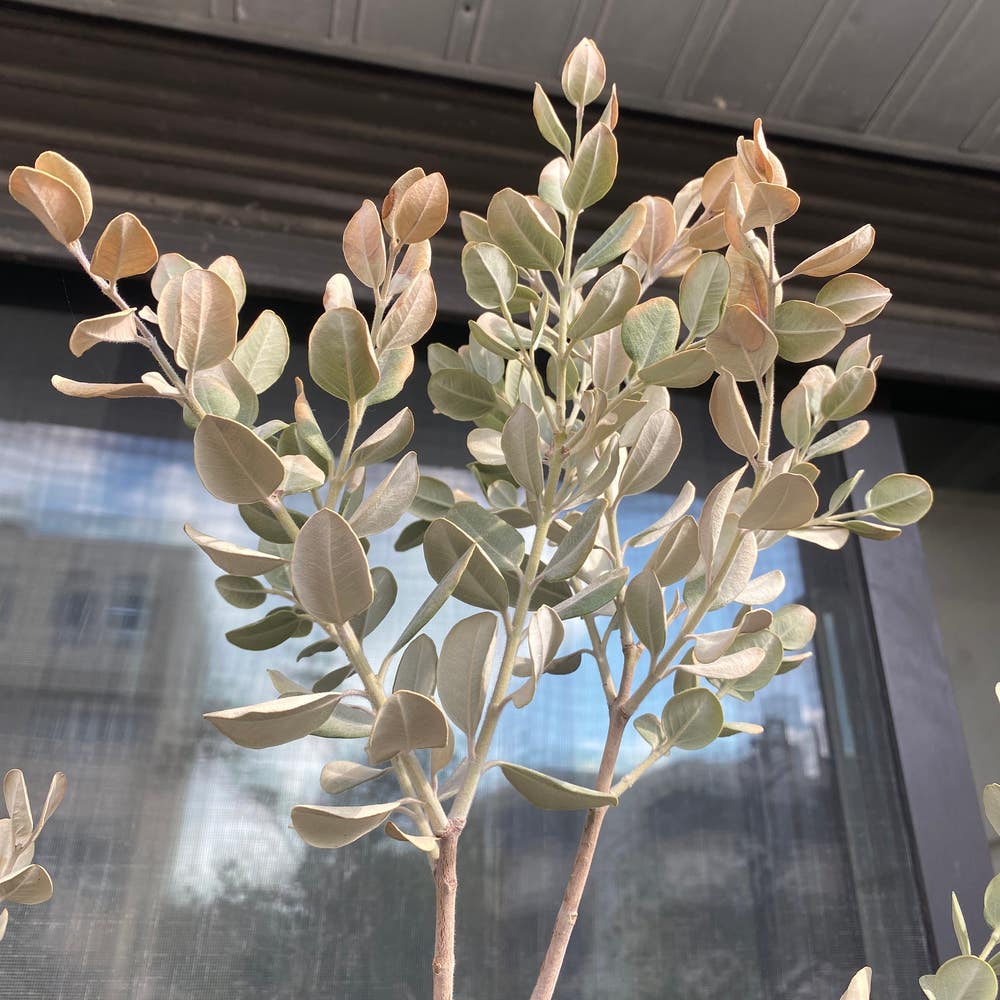
4 Factors Influencing Ohi'a Lehua Size 🌺
Metrosideros polymorpha
By the Greg Editorial Team
Nov 22, 2024•5 min read
This article was created with the help of AI so we can cover more plants for you. May contain errors. See one? Report it here.
- 🌳 Ohi'a Lehua can grow 10 to 100 feet, influenced by genetics and environment.
- 🌞 Optimal conditions yield 2 to 3 feet growth annually, especially in coastal areas.
- 🌱 Soil, water, and sunlight are crucial for reaching full size in 10 to 20 years.
Mature Height and Spread
Height 🌳
Ohi'a Lehua trees can reach impressive heights ranging from 10 to 100 feet, depending on the variety and growing conditions. Factors such as genetics, environmental conditions, and care practices play a crucial role in determining their ultimate height.
Spread 🌿
The average spread of Ohi'a Lehua is between 15 to 30 feet, but this can vary significantly based on growth conditions. Understanding the importance of spread is essential for effective landscape design and recognizing the ecological impact these trees can have in their environment.
The height and spread of Ohi'a Lehua not only define their physical presence but also influence their role in the ecosystem. As we explore further, we will delve into the growth rate of these remarkable trees and how they reach their full size.
Growth Rate
🌱 Fast Growth Rate
Ohi'a Lehua trees can grow impressively fast under optimal conditions, reaching heights of 2 to 3 feet per year. This rapid growth is influenced by various factors, including the specific environment in which they thrive.
In coastal areas, where conditions are often more favorable, these trees may experience accelerated growth compared to those in mountainous regions. The differences in elevation and climate can significantly impact their overall development.
⏳ Time to Reach Full Size
Typically, Ohi'a Lehua trees take about 10 to 20 years to reach their full size. However, this timeline can vary based on several key factors.
Soil quality, water availability, and sunlight exposure all play crucial roles in determining how quickly these trees mature. Ensuring optimal conditions can lead to a healthier, more robust tree in a shorter timeframe.
Understanding these growth rates and timelines is essential for anyone looking to cultivate Ohi'a Lehua effectively. With the right care and environment, you can witness the remarkable transformation of these trees over the years.
As we explore the next section, we'll delve into the size variability among different Ohi'a Lehua specimens and what influences these differences.
Size Variability
🌳 Variability Among Specimens
Ohi'a Lehua trees exhibit significant size variability, which can be surprising to many. This variability stems from a combination of genetic factors, environmental conditions, and care practices that influence each individual plant's growth.
Different specimens can thrive under varying circumstances, leading to noticeable differences in height and spread. For instance, a tree in a nutrient-rich, well-draining soil may flourish, while another in poor soil struggles to reach its potential.
📏 Dwarf and Giant Varieties
Within the Ohi'a Lehua species, you'll find both dwarf and giant varieties, each with unique characteristics. Dwarf varieties typically reach heights of just 3 to 5 feet, making them perfect for small gardens or confined spaces.
On the other end of the spectrum, giant varieties can soar to heights exceeding 100 feet, creating stunning focal points in larger landscapes. This diversity allows gardeners to select the right type of Ohi'a Lehua for their specific needs and space constraints.
Understanding these size variations can help you make informed decisions when incorporating Ohi'a Lehua into your landscape design. As we explore the factors influencing size, you'll gain insights into how to nurture these remarkable trees effectively.
Influencing Factors on Size
🌤️ Environmental Conditions
Elevation and climate play crucial roles in determining the size of Ohi'a Lehua trees. For instance, trees at lower elevations in Hawaii often grow taller and more robust due to warmer temperatures and increased humidity.
In contrast, those at higher elevations may be stunted by cooler temperatures and harsher winds. Observing growth patterns across different Hawaiian islands reveals how these environmental factors shape the unique characteristics of each tree.
🌱 Soil Type
Ohi'a Lehua thrives in well-draining, nutrient-rich soils. These conditions allow for optimal growth, enabling the trees to reach their full potential.
Conversely, poor soil conditions can severely limit growth and size. Compacted or nutrient-deficient soils can stunt development, leading to smaller, less vigorous trees.
💧 Water Availability
Consistent moisture is vital for healthy Ohi'a Lehua growth. Adequate water supports robust development and helps trees reach impressive heights.
On the flip side, drought conditions can have detrimental effects. Insufficient water leads to stress, stunted growth, and can even threaten the tree's overall health.
☀️ Sunlight Exposure
Ohi'a Lehua prefers full sun to partial shade for optimal growth. Sufficient sunlight encourages vigorous growth and larger sizes, allowing these trees to flourish.
However, inadequate sunlight can hinder growth rates and limit overall size. Trees in shaded areas often struggle to thrive, resulting in smaller, less healthy specimens.
As we explore the size control techniques next, understanding these influencing factors will help you appreciate the delicate balance required for nurturing Ohi'a Lehua trees.
Size Control Techniques
✂️ Pruning Methods
Pruning is essential for managing the size of Ohi'a Lehua trees. There are two primary techniques: selective pruning and hard pruning.
Selective pruning involves removing specific branches to shape the tree while maintaining its natural form. In contrast, hard pruning entails cutting back a significant portion of the plant, which can drastically reduce its height and spread.
🌱 Benefits of Pruning
Pruning not only controls the size but also promotes healthier growth. By removing dead or diseased branches, you enhance air circulation and light penetration, leading to a more robust tree.
⏰ Timing and Techniques
The best time to prune Ohi'a Lehua is during late winter to early spring. This timing allows the tree to recover quickly as it enters its active growth phase.
Step-by-Step Pruning Guide
- Assess the plant's current size and desired dimensions.
- Use clean, sharp tools to make cuts.
- Remove dead or crossing branches first.
- Gradually shape the plant to your desired size.
🌿 Other Methods
In addition to pruning, growth regulators and fertilizers can help manage size effectively. These products can encourage or limit growth, depending on your goals.
Companion planting is another strategy worth considering. By planting compatible species nearby, you can influence the growth habits of your Ohi'a Lehua, promoting a balanced ecosystem in your garden.
With these techniques, you can ensure your Ohi'a Lehua thrives while fitting beautifully into your landscape. Next, let’s explore the environmental factors that influence the size of these magnificent trees.
⚠️ Safety First
This content is for general information and may contain errors, omissions, or outdated details. It is not medical, veterinary advice, or an endorsement of therapeutic claims.
Always consult a qualified healthcare professional before using any plant as food, medicine, or supplement.
Never eat any plant (or feed one to pets) without confirming its identity with at least two trusted sources.
If you suspect poisoning, call Poison Control (800) 222-1222, the Pet Poison Helpline (800) 213-6680, or your local emergency service immediately.
Spotted an error? Please report it here.
Unlock the full potential of your Ohi'a Lehua trees 🌳 with Greg's tailored watering reminders and growth tips, ensuring they thrive beautifully in your landscape!