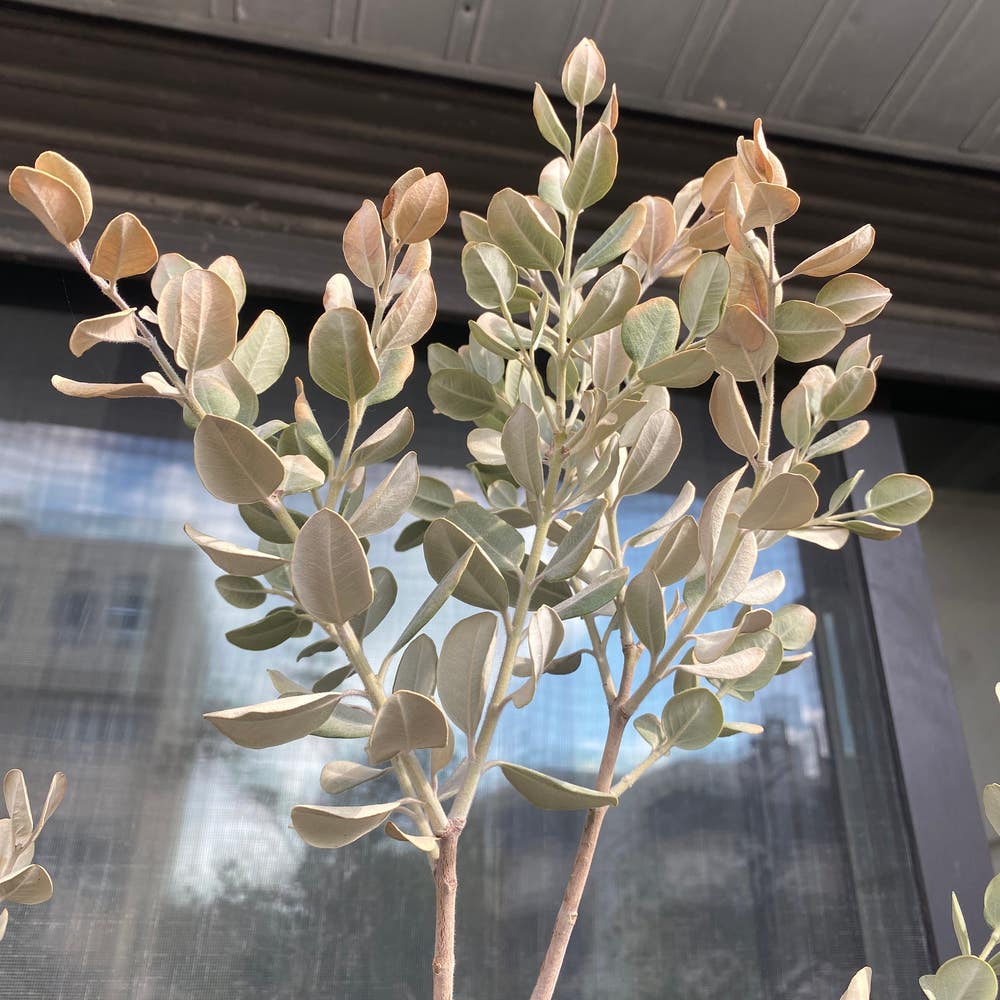
🔍 Signs Your Ohi'a Lehua Has Root Rot and How to Fix It
Metrosideros polymorpha
By the Greg Editorial Team
Nov 22, 2024•7 min read
This article was created with the help of AI so we can cover more plants for you. May contain errors. See one? Report it here.
- 🌱 Yellowing leaves and wilting indicate root rot in Ohi'a Lehua plants.
- 🥴 Blackened, mushy roots require immediate attention to prevent further damage.
- 🧪 Use a soil moisture meter to diagnose root rot and improve drainage.
Signs and Symptoms of Root Rot
🌿 Visual Indicators
Yellowing Leaves
One of the first signs of root rot is yellowing leaves. This discoloration often indicates that the roots are struggling to absorb nutrients effectively.
Wilting Despite Adequate Watering
If your Ohi'a Lehua appears wilted even after you've watered it, this is a red flag. It suggests that the roots may be compromised, unable to take up water properly.
Blackened or Mushy Roots
During a root examination, look for blackened or mushy roots. These physical signs are clear indicators that root rot is present and needs immediate attention.
📉 Changes in Plant Health and Growth Patterns
Stunted Growth
Root rot can severely impact your plant's growth. If you notice stunted growth, it’s likely that the roots are not functioning optimally.
Premature Leaf Drop
Another symptom to watch for is premature leaf drop. Healthy roots are essential for foliage retention, and any issues can lead to leaves falling off unexpectedly.
Flowering Issues
Root rot can also affect your plant's ability to bloom. If your Ohi'a Lehua isn't flowering as it should, it may be time to investigate root health.
🔍 Root Examination Techniques
How to Safely Remove the Plant from Its Pot
To inspect the roots, carefully remove the plant from its pot. Gently loosen the soil around the edges to avoid damaging the roots.
Identifying Healthy vs. Rotting Roots
When examining the roots, look for color, texture, and smell. Healthy roots are typically firm and white, while rotting roots will be dark, mushy, and may emit a foul odor.
Recommended Tools for Root Examination
Equip yourself with the right tools for a thorough inspection. Pruning shears, gloves, and trowels are essential for safely examining and managing the roots.
Recognizing these signs and symptoms early can make a significant difference in your plant's recovery. By understanding how to examine the roots effectively, you can take proactive steps to ensure your Ohi'a Lehua thrives. Next, we'll delve into diagnosing root rot and the steps you can take to confirm your suspicions.
Diagnosing Root Rot
Step-by-Step Guide 🌱
Diagnosing root rot in your Ohi'a Lehua starts with inspecting the soil moisture level. Use a moisture meter or your finger to check if the soil is overly wet, which can indicate potential root issues.
Next, examine the roots by gently removing the plant from its pot. Look for discoloration, mushiness, or any unusual textures that signal rot.
Finally, assess the overall health of the plant. Check for signs of wilting, yellowing leaves, and any stunted growth patterns that could suggest root problems.
Tools Needed for Diagnosis 🛠️
To effectively diagnose root rot, you’ll need a few essential tools:
- Soil moisture meter: This tool provides accurate moisture readings, helping you determine if overwatering is an issue.
- Pruning shears: These are crucial for examining and, if necessary, removing affected roots.
- Gloves: Protect your hands during the inspection process to avoid any potential pathogens.
Differentiating from Other Plant Issues 🔍
It’s important to differentiate root rot from other plant issues. Start by comparing symptoms of root rot with those of nutrient deficiencies, as both can cause yellowing leaves and stunted growth.
Next, identify signs of pests, which can mimic root rot symptoms. Look for visible insects or webbing on the plant.
Thorough examination is key to avoid misdiagnosis. Take your time to assess all aspects of the plant's health to ensure you’re addressing the right problem.
With a clear understanding of how to diagnose root rot, you can move on to fixing the issue effectively.
Fixing Root Rot
Immediate Actions 🌱
If you suspect your Ohi'a Lehua has root rot, the first step is to stop watering immediately. This allows the soil to dry out, which is crucial for the recovery process.
Next, carefully remove the plant from its pot. This will prepare you for a thorough root inspection, so handle it gently to avoid further stress.
How to Remove Affected Roots ✂️
- Gently shake off excess soil: This minimizes damage to any healthy roots that may still be intact.
- Cut away blackened or mushy roots: Use sterilized pruning shears to ensure you don’t introduce any pathogens.
- Dispose of affected roots properly: This is vital to prevent spreading any potential diseases to other plants.
Recommended Treatments 💊
After addressing the affected roots, consider applying fungicides. Choose the right type based on your specific situation and follow the instructions carefully for effective results.
Next, amend the soil by adding perlite or sand. These materials improve drainage, which is essential for preventing future root rot.
Finally, repot your Ohi'a Lehua in fresh, well-draining soil. This not only gives the plant a new start but also ensures it has the best environment for recovery.
By taking these steps, you can help your Ohi'a Lehua bounce back from root rot and thrive once again. Transitioning to proper prevention strategies will be key to maintaining its health moving forward.
Preventing Root Rot
Best Practices for Watering 🌊
To prevent root rot, it's crucial to establish a consistent watering routine. Monitor soil moisture regularly; water only when the top inch of soil feels dry, adjusting based on your climate and the plant's needs.
Overwatering is a common mistake that can lead to root rot. Look for signs like yellowing leaves or soggy soil, and adjust your watering habits accordingly.
Importance of Soil Drainage and Aeration 🏞️
Choosing the right soil mix is essential for healthy Ohi'a Lehua. Opt for a blend that includes components like perlite or coarse sand to enhance drainage and prevent water accumulation.
Improving soil aeration can also make a significant difference. Techniques like tilling the soil or adding organic matter can help create air pockets, allowing roots to breathe and thrive.
Seasonal Care Tips 🌦️
Adjust your watering schedule during rainy seasons to avoid waterlogged soil. Keep an eye on the moisture levels, as heavy rainfall can saturate the ground quickly.
After heavy rains, check the soil conditions to ensure it’s not overly wet. Additionally, mulching can help regulate soil moisture, providing a protective barrier against excess water.
By following these preventive measures, you can keep your Ohi'a Lehua healthy and vibrant. Next, let’s explore long-term care strategies to ensure your plant continues to flourish.
Long-term Care for Healthy Ohi'a Lehua
🕵️♂️ Ongoing Monitoring
Regularly checking your Ohi'a Lehua for signs of root rot is crucial. Aim for inspections every few weeks, focusing on leaf color, wilting, and overall growth patterns.
Observing these changes over time helps you catch issues early. A healthy plant will show consistent growth, while any sudden changes may signal underlying problems.
🌱 Fertilization and Soil Health Management
To keep your Ohi'a Lehua thriving, use a balanced fertilizer during the growing season. This ensures your plant receives the essential nutrients it needs for robust growth.
Soil testing is also vital. Assessing your soil's pH and nutrient levels allows you to make informed amendments, promoting a healthier environment for your plant.
🪴 Importance of Proper Potting Techniques
Choosing the right pot size is essential to avoid root confinement. A pot that’s too small can restrict growth and lead to stress.
Opt for breathable potting materials, like terracotta or fabric pots. These enhance drainage and aeration, reducing the risk of root rot.
Repotting frequency should align with your plant's growth. Generally, consider repotting every 1-2 years or when you notice roots emerging from the drainage holes.
By following these long-term care strategies, your Ohi'a Lehua can flourish and remain healthy. This proactive approach not only enhances plant vitality but also enriches your gardening experience.
⚠️ Safety First
This content is for general information and may contain errors, omissions, or outdated details. It is not medical, veterinary advice, or an endorsement of therapeutic claims.
Always consult a qualified healthcare professional before using any plant as food, medicine, or supplement.
Never eat any plant (or feed one to pets) without confirming its identity with at least two trusted sources.
If you suspect poisoning, call Poison Control (800) 222-1222, the Pet Poison Helpline (800) 213-6680, or your local emergency service immediately.
Spotted an error? Please report it here.
Spotting root rot in your Ohi'a Lehua is essential for its health, and with Greg's custom watering alerts 💧 and soil moisture checks, you'll keep your plant thriving and blooming beautifully!