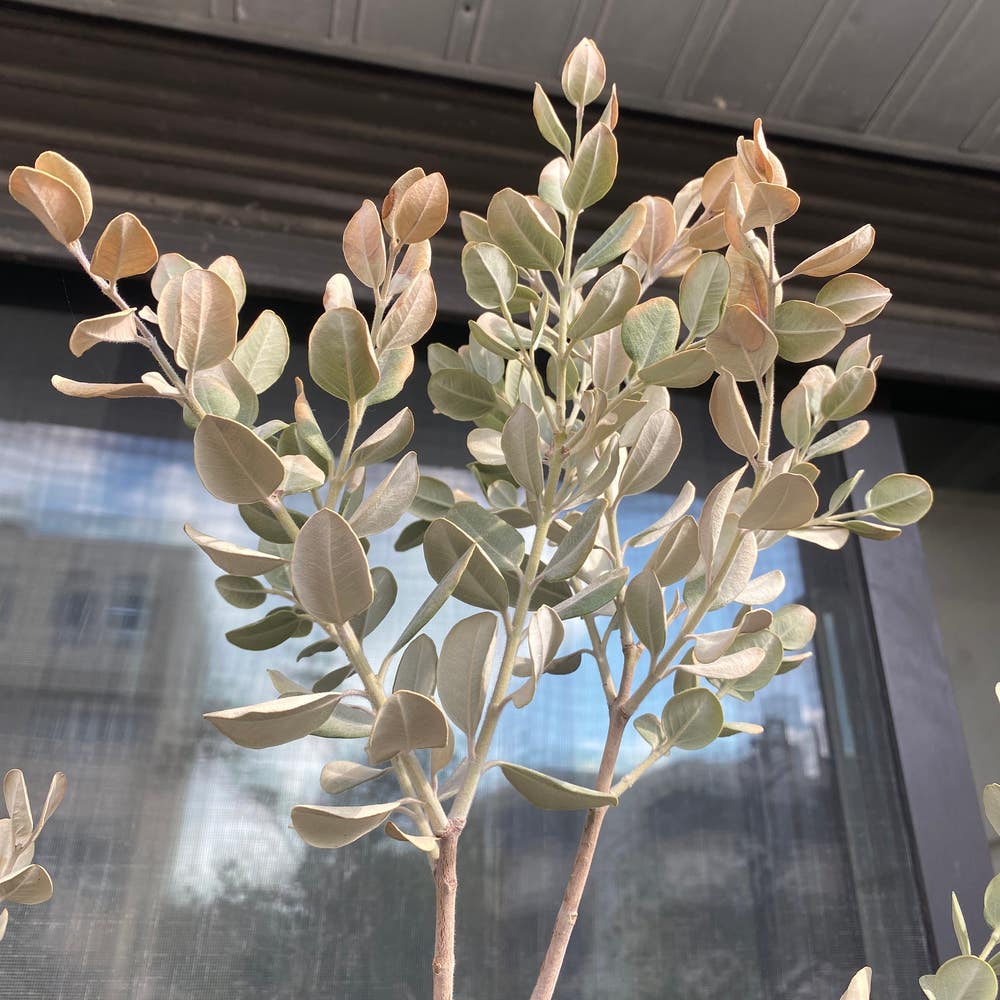
Best Humidity Levels for Lehua 💧
Metrosideros polymorpha
By the Greg Editorial Team
Nov 08, 2024•4 min read
This article was created with the help of AI so we can cover more plants for you. May contain errors. See one? Report it here.
- 🌱 Humidity is vital for Lehua growth, affecting photosynthesis and vitality.
- 🌼 Optimal humidity promotes vibrant flowers and healthy leaves in Lehua plants.
- ❗️ Low or high humidity can cause leaf drop, stunted growth, and mold issues.
Ideal Humidity Range for Lehua
🌱 Importance of humidity for growth
Humidity plays a crucial role in the growth of Lehua plants. It is essential for photosynthesis, which fuels overall plant health and vitality.
Adequate humidity supports vibrant flowering and robust leaf development. It also affects nutrient uptake and metabolic processes, ensuring your Lehua thrives.
📉 Effects of low and high humidity
Low humidity can lead to several distress signals in Lehua plants. Symptoms include leaf drop, stunted growth, and browning leaf edges.
Over time, low humidity increases susceptibility to pests and diseases, creating a challenging environment for your plant. Conversely, high humidity can cause its own set of problems, such as fungal infections, mold growth, and wilting leaves.
In extreme cases, high humidity combined with poor drainage can lead to root rot, a serious threat to your plant's health. Maintaining the right humidity levels is essential for a thriving Lehua.
Understanding these effects helps you create the ideal environment for your plant's growth. Next, we’ll explore how to measure humidity and adapt to local conditions effectively.
Humidity Measurement and Local Conditions
Difference Between Absolute and Relative Humidity 🌧️
Understanding humidity is crucial for the health of your Lehua. Absolute humidity measures the actual amount of water vapor in the air, expressed in grams of water per cubic meter.
On the other hand, relative humidity indicates the percentage of moisture in the air compared to the maximum it can hold at a specific temperature. For Lehua care, relative humidity is more relevant, as it directly impacts plant health and growth.
Importance of Local Humidity Conditions 🌍
Local humidity levels can vary significantly based on climate. Coastal areas often experience higher humidity than inland regions, which can affect how you care for your Lehua.
Seasonal changes also play a role in humidity fluctuations. During spring and summer, humidity levels may rise, while fall and winter can bring drier air. Adapting your care strategies to these local conditions is essential for maintaining optimal humidity levels for your Lehua.
Consider monitoring local humidity regularly and adjusting your watering and humidity-boosting methods accordingly. This proactive approach ensures your plant thrives in its unique environment.
Seasonal Considerations
🌧️ Seasonal humidity variations and their impact on Lehua
Humidity levels fluctuate significantly with the seasons, directly affecting your Lehua's health. In spring and summer, expect higher humidity, which can promote lush growth and vibrant blooms. However, this also means you need to monitor conditions closely to prevent issues like mold.
As fall and winter roll in, humidity typically drops. This change requires you to adjust your care strategies to ensure your Lehua remains healthy and thriving during these drier months.
🔄 Adjusting humidity strategies based on seasonal changes
Regularly checking humidity levels is crucial throughout the year. This seasonal monitoring allows you to adapt your care practices effectively.
In response to changing humidity, modify your watering habits and humidity-boosting methods as needed. For instance, during winter, you might need to increase humidity levels using techniques like pebble trays or grouping plants together. Keeping a close eye on these factors will help your Lehua flourish, no matter the season.
Common Humidity-Related Issues
🌬️ Signs of Inadequate Humidity for Lehua
When humidity levels drop, Lehua plants can show clear signs of distress. Leaf drop and browning edges are common indicators that your plant is struggling to cope with low moisture levels.
Additionally, you may notice poor growth and reduced flowering. These long-term effects can hinder the plant's overall health and vibrancy, making it crucial to monitor humidity closely.
💧 Solutions for Humidity-Related Problems
To address humidity-related issues, immediate action is essential. Increasing humidity using methods like humidifiers or pebble trays can provide quick relief for your Lehua.
For long-term success, regular monitoring and adjusting care practices are vital. Keeping a close eye on humidity levels will help you maintain a stable environment, ensuring your Lehua thrives.
By implementing these strategies, you can create an optimal growing condition for your plant. This proactive approach not only enhances growth but also fosters a healthier, more resilient Lehua.
⚠️ Safety First
This content is for general information and may contain errors, omissions, or outdated details. It is not medical, veterinary advice, or an endorsement of therapeutic claims.
Always consult a qualified healthcare professional before using any plant as food, medicine, or supplement.
Never eat any plant (or feed one to pets) without confirming its identity with at least two trusted sources.
If you suspect poisoning, call Poison Control (800) 222-1222, the Pet Poison Helpline (800) 213-6680, or your local emergency service immediately.
Spotted an error? Please report it here.
Keep your Lehua blooming beautifully 🌺 by using Greg's tailored humidity alerts and care tips to create the ideal environment for thriving growth!