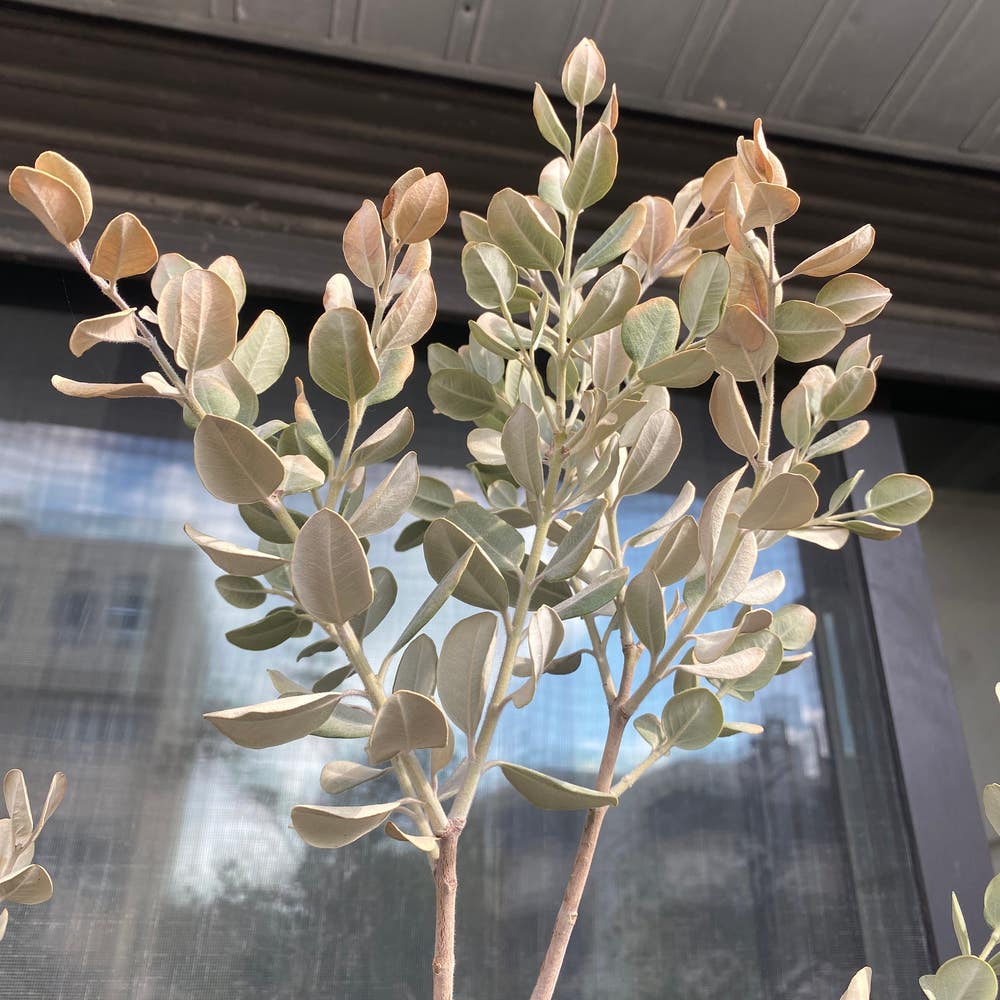
🍃 Understanding Brown Spots on Your Lehua Leaves
Metrosideros polymorpha
By the Greg Editorial Team
Nov 08, 2024•7 min read
This article was created with the help of AI so we can cover more plants for you. May contain errors. See one? Report it here.
- 🌱 Brown spots on Lehua leaves stem from fungal infections, stress, or nutrient issues.
- 💧 Proper watering and drainage prevent root rot and dehydration, keeping leaves healthy.
- 🐛 Regular pest inspections and organic treatments help maintain vibrant, spot-free foliage.
Common Causes of Brown Spots
🦠 Fungal Leaf Spots
Fungal infections are a primary culprit behind brown spots on Lehua leaves. These infections often manifest as irregular brown spots, frequently surrounded by yellow halos, indicating distress.
Common fungal pathogens include Cercospora and Alternaria, which thrive in warm, humid conditions. Identifying these pathogens early can help prevent further damage to your plant.
🌡️ Environmental Stress
Environmental stress can significantly impact the health of your Lehua leaves. Temperature fluctuations, particularly extremes outside the ideal range of 65°F to 75°F, can lead to stress.
Low humidity levels exacerbate this issue, causing browning at the leaf edges, wilting, and overall discoloration. Ensuring stable environmental conditions is crucial for maintaining leaf health.
🥦 Nutrient Deficiencies
Nutrient deficiencies can also lead to brown spots on your leaves. Key nutrients such as nitrogen, potassium, and magnesium are essential for robust plant health.
When these nutrients are lacking, you may notice yellowing leaves accompanied by brown spots. Regular soil testing can help you identify and address these deficiencies promptly.
💧 Watering Issues
Watering practices play a vital role in leaf health. Overwatering can lead to root rot, which manifests as yellowing leaves and a mushy texture.
Conversely, underwatering results in dehydration, causing crispy leaf edges and brown spots. Striking the right balance in watering is essential for your plant's vitality.
🐛 Pest Damage
Pests can wreak havoc on your Lehua leaves, leading to noticeable damage. Common pests include aphids, which suck sap and weaken the plant, and scale insects, which create a sticky residue.
Symptoms of pest damage include stippling, browning, and even leaf drop. Regular inspections can help you catch these pests early, ensuring your plant remains healthy and vibrant.
Understanding these common causes of brown spots is the first step in diagnosing and treating your Lehua leaves effectively. Next, we’ll explore how to accurately assess the problem to implement the right solutions.
Diagnosing the Problem
Assessing Environmental Conditions 🌞
To keep your lehua leaves healthy, understanding their light requirements is crucial. They thrive in bright, indirect sunlight, so ensure they receive optimal exposure without being scorched by harsh rays.
Humidity and temperature also play significant roles in their growth. Ideally, lehua plants prefer a humid environment with temperatures ranging from 65°F to 75°F. If conditions stray too far from this range, you may notice signs of stress, such as wilting or browning edges.
Evaluating Watering Practices 🚰
Watering practices can make or break your plant's health. Overwatering is a common mistake; look for signs like soggy soil and yellowing leaves, which indicate root rot.
On the flip side, underwatering can lead to dehydration. If you see dry soil and crispy leaf edges, it’s time to adjust your watering routine to ensure your lehua gets the moisture it needs.
Checking for Pests and Diseases 🐛
Regular visual inspections are essential for catching pests early. Look closely at the undersides of leaves and along stems for any signs of infestation.
Recognizing symptoms of common diseases is equally important. If you notice unusual spots or discoloration, it could indicate a fungal infection or other issues that need addressing promptly.
By carefully assessing these factors, you can effectively diagnose the problems affecting your lehua leaves and take the necessary steps to restore their health. Next, let’s explore treatment options for those pesky brown spots.
Treating Brown Spots
🦠 Step-by-Step Treatment for Fungal Infections
Fungal infections can wreak havoc on your Lehua leaves, but with the right approach, you can restore their health. Start by identifying the specific type of fungus affecting your plant; this is crucial for effective treatment.
Once identified, remove any affected leaves to prevent the spread of the infection. This simple step can make a significant difference. Next, apply an appropriate fungicide according to the instructions on the label. Always follow the recommended dosage to avoid harming your plant.
Improving air circulation around your plant is also essential. Good airflow helps reduce humidity levels that fungi thrive in, making it harder for them to take hold.
🥦 Remedies for Nutrient Deficiencies
Nutrient deficiencies can also lead to unsightly brown spots on your leaves. Begin by conducting a soil test to assess nutrient levels. This will help you understand what your plant needs.
When it comes to fertilizers, choose the right type based on the deficiencies identified. Common options include nitrogen, potassium, and magnesium-rich fertilizers. Pay attention to application rates to avoid over-fertilizing, which can cause more harm than good.
Monitor your plant closely for signs of improvement. Healthy leaves will gradually recover, showing vibrant colors and reduced spotting.
🐛 Pest Control Methods
Pests can be a major culprit behind brown spots, so it's vital to address them promptly. Consider using organic pest control options like neem oil or insecticidal soap. These methods are effective and less harmful to the environment.
If the infestation is severe, chemical treatments may be necessary. Use these sparingly and follow application guidelines closely to protect your plant and surrounding ecosystem.
Regular monitoring is key to early detection of pests. By keeping a close eye on your plants, you can catch issues before they escalate, ensuring your Lehua remains healthy and vibrant.
With these treatment strategies in place, your Lehua leaves can bounce back from brown spots, leading to a flourishing plant. Next, let’s explore how to prevent future issues to keep your plant thriving.
Preventing Future Issues
Best Practices for Care 🌱
Regular maintenance is essential for keeping your Lehua leaves healthy. Pruning dead or damaged leaves not only improves appearance but also enhances air circulation, reducing the risk of fungal infections.
Cleaning leaves helps remove dust and pests, allowing the plant to breathe better. Additionally, monitoring environmental conditions like humidity and temperature ensures your plant thrives in its ideal habitat.
Importance of Proper Watering and Drainage 💧
Establishing a consistent watering schedule is crucial. Water your Lehua when the top inch of soil feels dry, typically every 1-2 weeks, depending on the season and humidity levels.
Proper drainage is equally important. Use a well-draining potting mix and ensure your container has drainage holes to prevent water from pooling, which can lead to root rot.
Soil Amendments and Fertilization Tips 🌿
Incorporating beneficial soil amendments can significantly enhance plant health. Organic matter, like compost, improves soil structure and nutrient content.
A fertilization schedule is vital for optimal growth. Apply a balanced fertilizer every 4-6 weeks during the growing season, adjusting based on your plant's specific needs and the nutrient levels in your soil.
By following these best practices, you can prevent brown spots and ensure your Lehua remains vibrant and healthy. Next, let’s explore how seasonal changes can impact leaf health and what adjustments you can make to your care routine throughout the year.
Seasonal Considerations
🌿 How Seasonal Changes Affect Leaf Health
Seasonal changes can significantly impact the health of your Lehua leaves. In winter, cooler temperatures and reduced sunlight can slow growth, leading to potential stress and browning.
Conversely, summer brings warmth and increased light, which can boost growth but also heighten the risk of leaf scorch if not managed properly. Understanding these seasonal dynamics is crucial for maintaining vibrant foliage.
🔄 Adjusting Care Practices Throughout the Year
To keep your Lehua thriving, adjust your watering practices with the seasons. In winter, reduce watering frequency as the plant's growth slows; in summer, increase it to accommodate higher evaporation rates.
Fertilization also requires seasonal adjustments. During active growth in spring and summer, use a balanced fertilizer to support leaf development, while in fall and winter, cut back to avoid over-fertilizing during dormancy.
By tuning into these seasonal needs, you can ensure your Lehua remains healthy and vibrant year-round.
⚠️ Safety First
This content is for general information and may contain errors, omissions, or outdated details. It is not medical, veterinary advice, or an endorsement of therapeutic claims.
Always consult a qualified healthcare professional before using any plant as food, medicine, or supplement.
Never eat any plant (or feed one to pets) without confirming its identity with at least two trusted sources.
If you suspect poisoning, call Poison Control (800) 222-1222, the Pet Poison Helpline (800) 213-6680, or your local emergency service immediately.
Spotted an error? Please report it here.
Keep your Lehua leaves spotless 🌿 by using Greg's tailored care reminders and tips to create the perfect environment for thriving foliage!