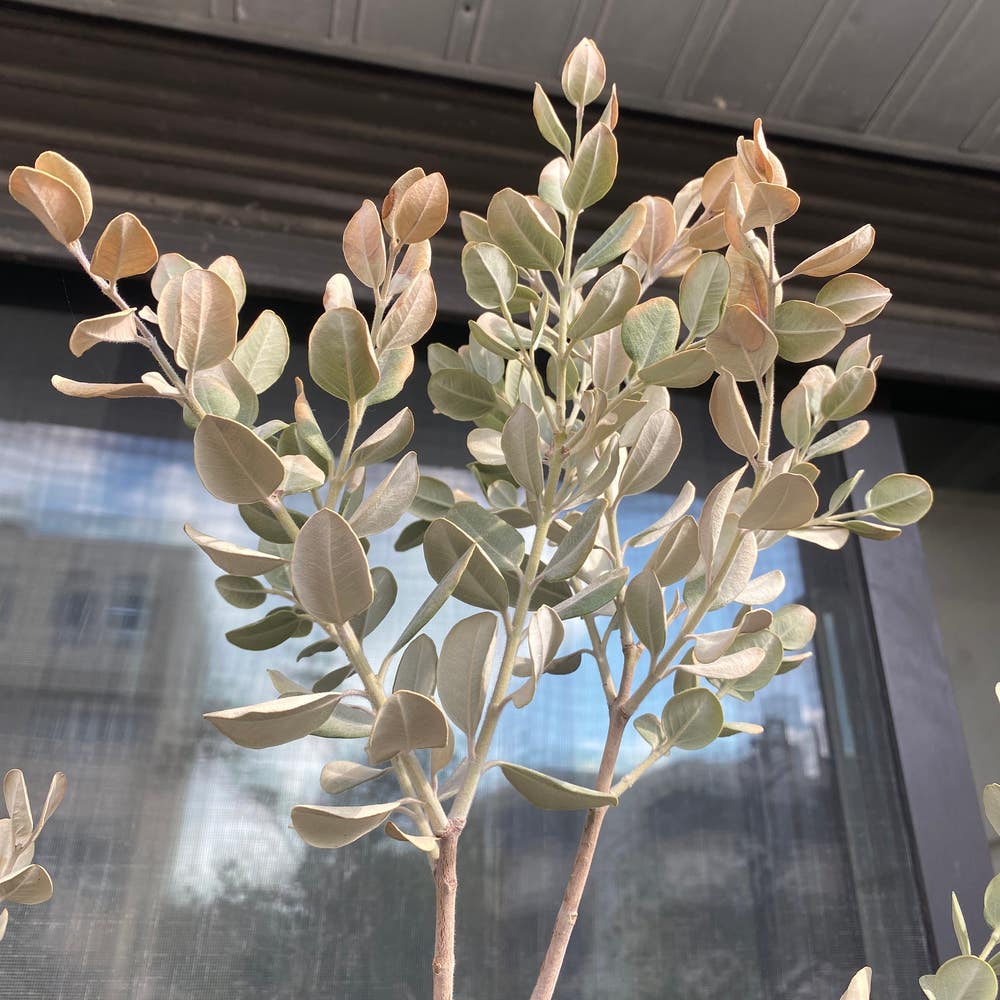
🌺 When to Repot Lehua
Metrosideros polymorpha
By the Greg Editorial Team
Nov 08, 2024•6 min read
This article was created with the help of AI so we can cover more plants for you. May contain errors. See one? Report it here.
- 🌱 Signs to repot include roots out of drainage holes and stunted growth.
- 🌞 Best times to repot Lehua are spring and early summer for optimal growth.
- 🧰 Use well-draining soil and proper tools for successful repotting.
Signs It's Time to Repot
🌱 Identifying Root-Bound Symptoms
Recognizing when your Lehua needs repotting is crucial for its health. One clear sign is roots growing out of the drainage holes, indicating they’ve outgrown their current home.
Another symptom is stunted growth or wilting, even when you’re watering adequately. If you notice the soil drying out quickly after watering, it’s time to consider a larger pot.
📈 Assessing Plant Growth and Health Indicators
Monitoring leaf health is essential. Yellowing or browning leaves can signal stress, often due to inadequate space for root growth.
Evaluate the overall vigor of your plant by observing its growth patterns. The best times to repot are during spring or early summer, aligning with natural growth cycles.
Keep an eye on growth spurts and dormancy periods. Timing your repotting with these cycles can significantly enhance your Lehua's recovery and growth.
In summary, being attentive to these signs will help ensure your Lehua thrives in its new environment. Next, let’s explore effective repotting techniques to give your plant the best chance for success.
Repotting Techniques
Step-by-Step Guide to Repotting 🌱
Repotting your Lehua can seem daunting, but following a simple step-by-step process makes it manageable. Start by preparing a new pot and a suitable soil mix that promotes drainage.
Next, gently remove the Lehua from its current pot. Be careful not to damage the roots during this process.
Once out, inspect the root system for any signs of damage or rot. This is crucial for the health of your plant.
Now, place the Lehua in the new pot, ensuring it sits at the correct depth. This helps the plant establish itself in its new environment.
Fill the pot with potting soil, firming it gently around the roots to eliminate air pockets. This ensures good contact between the soil and roots.
Finally, water the plant thoroughly after repotting. This helps settle the soil and provides moisture to the roots.
Tools and Materials Needed for Repotting 🛠️
Before you start, gather essential tools to make the process smoother. You'll need pruning shears, a trowel, gloves, and a watering can.
For the potting soil, choose a mix that suits Lehua’s needs. A well-draining soil is key to keeping your plant healthy.
Handling the Root System 🌿
When handling the root system, be gentle to avoid causing damage. Techniques like using your fingers to untangle roots can help without harming them.
Trimming any damaged or excessively long roots is important for the plant's recovery. This encourages healthy growth in the new pot.
Ensure that the root ball remains intact during the transfer. This minimizes stress on the plant and promotes quicker adaptation to its new home.
With these techniques, your Lehua will thrive in its new pot, setting the stage for healthy growth. Next, we’ll explore how to choose the right pot for your plant.
Choosing the Right Pot
Recommended Pot Materials 🌱
When selecting a pot for your Lehua, consider the material carefully.
- Ceramic pots offer weight and aesthetic appeal, making them a popular choice for indoor settings.
- Plastic pots are lightweight and budget-friendly, perfect for those who want to move their plants around easily.
- Terracotta pots are known for their breathability and moisture regulation, which can be beneficial for root health.
Pros and Cons of Each Pot Material ⚖️
Each pot material comes with its own set of advantages and disadvantages.
- Ceramic pots are durable but can retain heat, which may stress the roots. They also risk cracking in colder temperatures.
- Plastic pots are affordable and lightweight but might not provide adequate drainage, leading to potential root rot.
- Terracotta pots excel in drainage but can dry out quickly, requiring more frequent watering.
Size Considerations for Pots 📏
Choosing the right pot size is crucial for your Lehua's growth.
A general guideline is to select a pot that is 1-2 inches larger in diameter than the current one. This allows for healthy root expansion without overwhelming the plant with too much soil.
Remember, a pot that’s too large can retain excess moisture, which may lead to root issues.
With the right pot in hand, your Lehua will thrive, setting the stage for vibrant growth and health. Next, let’s explore the best potting soil mixes to complement your choice of pot.
Potting Soil
Best Soil Mixes 🌱
Choosing the right soil mix is crucial for your Lehua's health. A blend of cactus mix, perlite, and volcanic rock creates an ideal environment, ensuring excellent drainage and aeration.
Well-draining soil prevents water from pooling around the roots, which can lead to rot. This is especially important for Lehua, as they thrive in conditions that mimic their native habitats.
Importance of Drainage and Aeration 💧
Drainage plays a vital role in maintaining root health and promoting growth. Poor drainage can suffocate roots, leading to stunted growth or even plant death.
To enhance soil aeration, consider mixing in materials like perlite or pumice. These components create air pockets, allowing roots to breathe and absorb nutrients effectively.
Amending Soil for Optimal Growth 🌿
Sometimes, your soil mix needs a little boost. Adding organic matter or sand can significantly improve drainage, making it easier for your Lehua to thrive.
Additionally, adjusting the pH levels of your soil is essential for optimal growth. Lehua prefers slightly acidic conditions, so testing and amending your soil accordingly can make a big difference in plant health.
With the right potting soil and amendments, your Lehua will be set up for success. Next, let’s explore how to care for your plant after repotting to ensure it continues to flourish.
Post-Repotting Care
💧 Watering Guidelines After Repotting
After repotting your Lehua, it's crucial to water it properly. Give it a thorough soak, ensuring the water drains out of the bottom, but avoid flooding the plant.
Watch for signs of overwatering, like yellowing leaves or mushy stems, which indicate too much moisture. Conversely, if the leaves are wilting or the soil feels dry too quickly, you may need to increase your watering frequency.
☀️ Light and Temperature Considerations
Post-repotting, your Lehua needs the right light conditions to thrive. Place it in bright, indirect sunlight to help it adjust without the stress of harsh rays.
Temperature also plays a vital role. Keep your plant in a warm environment, ideally between 65°F and 75°F, and avoid sudden temperature changes that could shock it.
👀 Monitoring Plant Health Post-Repotting
Regularly check your Lehua for any signs of stress or shock after repotting. Look for drooping leaves or stunted growth, which can indicate that your plant is struggling to adapt.
Be prepared to adjust your care practices based on how your plant responds. If it shows signs of distress, consider tweaking your watering schedule or light exposure to help it bounce back.
With attentive care, your Lehua will thrive in its new home, setting the stage for vibrant growth ahead.
⚠️ Safety First
This content is for general information and may contain errors, omissions, or outdated details. It is not medical, veterinary advice, or an endorsement of therapeutic claims.
Always consult a qualified healthcare professional before using any plant as food, medicine, or supplement.
Never eat any plant (or feed one to pets) without confirming its identity with at least two trusted sources.
If you suspect poisoning, call Poison Control (800) 222-1222, the Pet Poison Helpline (800) 213-6680, or your local emergency service immediately.
Spotted an error? Please report it here.
Repot your Lehua for thriving growth 🌱 with Greg's tailored reminders and expert tips that ensure your plant flourishes in its new home!