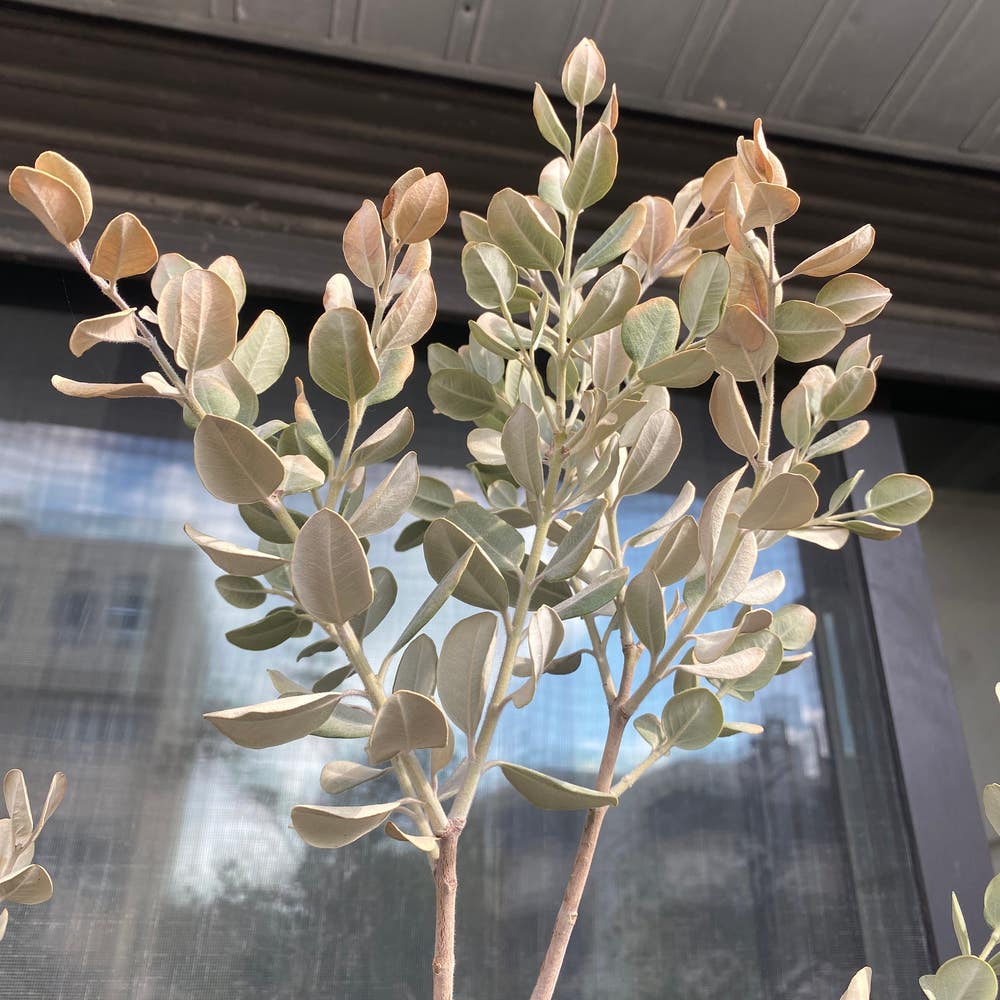
Ultimate Guide to Fertilizing Lehua 🌺
Metrosideros polymorpha
By the Greg Editorial Team
Nov 08, 2024•5 min read
This article was created with the help of AI so we can cover more plants for you. May contain errors. See one? Report it here.
- 🌱 Organic vs. synthetic fertilizers: Choose based on nutrient release and soil health.
- 🌼 Fertilize Lehua in spring and summer for optimal growth and blooming support.
- 💧 Water after fertilization to activate nutrients and enhance absorption effectively.
Types of Fertilizers
🌱 Organic vs. Synthetic Fertilizers
When it comes to fertilizing Lehua, understanding the difference between organic and synthetic fertilizers is crucial. Organic fertilizers, like compost, fish emulsion, and seaweed extract, offer slow-release nutrients that enhance soil health over time.
On the other hand, synthetic fertilizers provide quick nutrient availability, which can be beneficial for immediate plant needs. However, they come with the risk of over-fertilization, potentially harming your plants if not used carefully.
🛒 Choosing the Right Fertilizer
Selecting the right fertilizer involves considering several factors. Start with your soil type, existing nutrient levels, and the growth stage of your Lehua.
For specific product recommendations, look for brands that cater to tropical plants or those specifically formulated for Lehua. Always read the labels to understand the N-P-K ratios and micronutrient content, ensuring you provide the best nutrition for your plant's needs.
With the right fertilizer in hand, you can set your Lehua on a path to vibrant growth and blooming. Next, let’s explore the best times to fertilize for optimal results.
Fertilization Schedule
🌱 Best Times to Fertilize
Timing is everything when it comes to fertilizing Lehua. The optimal periods are early spring and late summer, aligning with the plant's natural growth cycles.
This timing is crucial as it supports the blooming phases, ensuring your Lehua thrives when it matters most.
📅 Seasonal Fertilization Guide
Spring
In spring, provide an initial feeding to kickstart growth. This is when your Lehua is waking up from dormancy and needs that extra boost.
Summer
During summer, an additional feeding supports blooming. This is the time to ensure your plant has all the nutrients it needs for vibrant flowers.
Fall/Winter
As fall approaches, reduce or halt fertilization to allow your Lehua to enter dormancy. This rest period is essential for the plant's health and future growth.
🔄 Frequency of Fertilization
Generally, feed your Lehua every 6-8 weeks during its active growth phase. This regular schedule helps maintain nutrient levels without overwhelming the plant.
Adjustments may be necessary based on the growth stage and environmental conditions. Always keep an eye on your plant's response to ensure optimal health.
With a solid fertilization schedule in place, your Lehua will be set for success. Next, let’s explore the best application techniques to maximize those nutrients!
Application Techniques
Step-by-Step Guide to Applying Fertilizer 🌱
Applying fertilizer correctly is crucial for the health of your Lehua. Follow these steps for optimal results:
Determine the appropriate fertilizer type and amount based on soil test results. This ensures you provide the right nutrients tailored to your plant's needs.
Prepare the area around the plant by clearing debris and loosening the soil. This helps the fertilizer penetrate more effectively.
Apply the fertilizer evenly around the base of the plant, avoiding direct contact with the stem. This prevents potential damage to the plant.
Water the plant thoroughly after application to help nutrients penetrate the soil. This step is essential for activating the fertilizer.
Methods of Application 💧
Understanding different application methods can enhance your fertilization strategy.
Granular Application
Granular fertilizers are easy to use. Spread them evenly around the plant and incorporate them into the top layer of soil for best results.
Liquid Application
Liquid fertilizers require careful dilution. Follow the manufacturer's instructions for mixing and apply using a watering can or sprayer for even distribution.
Foliar Feeding
Foliar feeding involves applying nutrients directly to the leaves. This method is effective for quick nutrient uptake, especially during growth spurts.
Avoiding Over-Fertilization 🚫
Over-fertilization can harm your Lehua, so watch for signs and adjust accordingly.
Signs of Over-Fertilization
Look for yellowing leaves, stunted growth, or root burn. These symptoms indicate that your plant is receiving too many nutrients.
Recommended Practices
Stick to suggested application rates and monitor your plant's response closely. Adjust your fertilization strategy based on its health and growth patterns.
By mastering these application techniques, you’ll set your Lehua up for success. Next, we’ll explore troubleshooting common fertilization issues to ensure your plant thrives.
Troubleshooting Fertilization Issues
🌱 Common Problems and Solutions
Fertilization can sometimes lead to issues that hinder your Lehua's growth.
Over-fertilization is a common problem, often indicated by yellowing leaves, stunted growth, or even root burn. If you suspect over-fertilization, immediately stop applying fertilizer and flush the soil with water to dilute excess nutrients.
Under-fertilization can also pose challenges. Signs include pale leaves, poor growth, and a lack of blooms. To correct this, assess your soil's nutrient levels and consider applying a balanced fertilizer to replenish what’s missing.
🌦️ Adjusting Fertilization Based on Conditions
Weather plays a crucial role in how well your Lehua absorbs nutrients.
Heavy rainfall can wash away fertilizers, reducing their effectiveness. Conversely, high temperatures can increase nutrient uptake, so be mindful of these conditions when planning your fertilization schedule.
Seasonal adjustments are equally important. As your Lehua transitions through growth stages, modify your fertilization frequency and amounts to match its needs. For instance, during peak growth in spring, you may need to fertilize more frequently than in the dormant winter months.
🌸 Tips for Healthy Growth and Blooming
Regular monitoring is key to maintaining your Lehua's health.
Keep an eye on both plant and soil conditions to catch any issues early.
Adopting a holistic approach is essential. Combine fertilization with proper watering and adequate light to create an optimal environment for your Lehua to thrive. This synergy will not only enhance growth but also promote vibrant blooms, ensuring your plant flourishes beautifully.
With these troubleshooting tips, you can confidently nurture your Lehua and enjoy its stunning beauty.
⚠️ Safety First
This content is for general information and may contain errors, omissions, or outdated details. It is not medical, veterinary advice, or an endorsement of therapeutic claims.
Always consult a qualified healthcare professional before using any plant as food, medicine, or supplement.
Never eat any plant (or feed one to pets) without confirming its identity with at least two trusted sources.
If you suspect poisoning, call Poison Control (800) 222-1222, the Pet Poison Helpline (800) 213-6680, or your local emergency service immediately.
Spotted an error? Please report it here.
Unlock your Lehua's full potential 🌺 by using Greg's tailored fertilization reminders and expert tips to ensure vibrant blooms and robust growth!