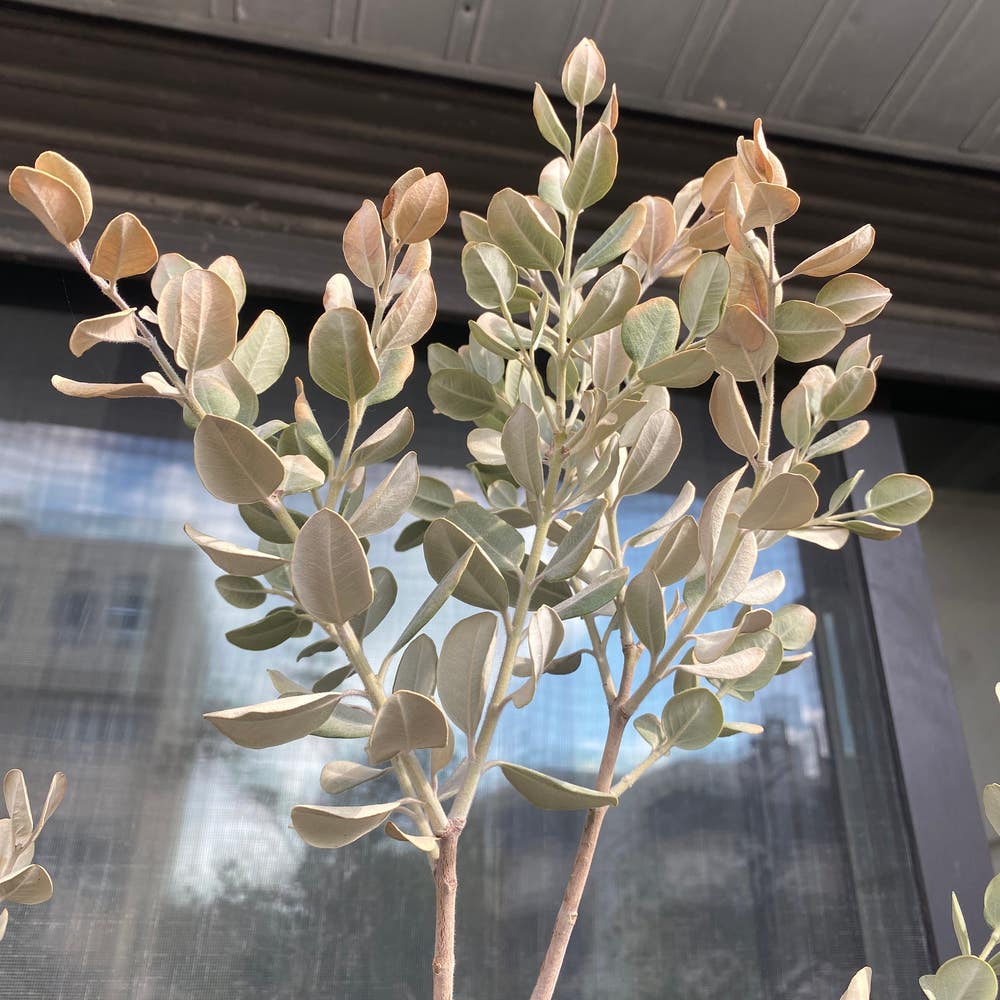
🌺 Step-by-Step Guide to Choosing Soil for Lehua
Metrosideros polymorpha
By the Greg Editorial Team
Nov 08, 2024•4 min read
This article was created with the help of AI so we can cover more plants for you. May contain errors. See one? Report it here.
- 🌋 Lehua thrives in well-draining, organic-rich soil that mimics volcanic habitats.
- 🌱 Maintain soil pH between 6.0 and 7.0 for optimal nutrient availability.
- 🔍 Regularly test soil health to prevent issues like mold and compaction.
Soil Requirements for Lehua
🌋 Ideal Soil Composition
Lehua thrives in soil that mimics its natural volcanic habitat. This means you need a well-draining mix rich in organic matter to support healthy growth.
Volcanic soil is characterized by its ability to retain moisture while allowing excess water to drain away. For optimal aeration, aim for a loamy or sandy loam texture, as these types facilitate root penetration and promote robust plant health.
⚖️ Recommended Soil pH Levels for Optimal Growth
The ideal pH range for Lehua is between 6.0 and 7.0. Staying within this range ensures that nutrients are available for uptake, which is crucial for the plant's vitality.
When the pH strays too high or too low, nutrient availability can diminish, leading to poor growth and health issues. Regular pH testing can help maintain the right balance for your Lehua.
🕵️♂️ Identifying Unhealthy Soil
Signs of Unhealthy Soil
Recognizing unhealthy soil is key to maintaining your Lehua's health. Common indicators include mold growth on the surface, which suggests excess moisture, and soil compaction that leads to poor aeration.
Foul odors can also signal anaerobic conditions, indicating that the soil is not functioning properly. If you notice these signs, it’s time to take action.
How to Test Soil Health for Lehua
Assessing soil health involves a few straightforward methods. Start with a visual inspection for mold and signs of compaction, which can be easily spotted.
You can also test soil moisture using simple techniques, such as the squeeze test. For a more precise measurement, consider using pH testing kits to gauge the acidity of your soil.
🛠️ Solutions for Common Soil Problems
Addressing moldy soil is essential for Lehua care. If you spot mold, remove the affected soil and replace it with a fresh mix to prevent further issues.
To prevent mold in the future, ensure proper watering practices. For compacted soil, aeration techniques can improve structure, and using a well-draining soil mix is crucial for maintaining healthy conditions.
By understanding these soil requirements, you can create an ideal environment for your Lehua to flourish. Next, we’ll explore how to create a homemade soil mix tailored specifically for this beautiful plant.
Creating a Homemade Soil Mix
Step-by-Step Guide to Making a Soil Mix for Lehua 🌱
Creating the perfect soil mix for Lehua is essential for its growth and health. Start by gathering the right materials: organic compost, coarse sand or perlite, and pine bark or coconut coir.
Next, focus on the mixing ratios. Aim for 40% organic compost, 30% coarse sand or perlite, and 30% pine bark or coconut coir. This combination ensures a balanced mix that promotes aeration and nutrient retention.
Once you have your materials, combine them thoroughly. Mixing well is crucial to achieve uniformity, which helps your Lehua thrive.
Tips for Adjusting Soil Texture and Drainage 💧
Testing your soil mix for drainage is a vital step. Conduct a simple water test to observe how quickly the water drains through your mix.
If you find that your mix retains too much moisture, consider adjusting the ratios. Increasing the amount of sand can enhance drainage, especially in humid climates. Conversely, adding more organic matter can improve nutrient retention, ensuring your Lehua gets the nourishment it needs.
With these tips, you’ll be well on your way to creating a homemade soil mix that supports the vibrant growth of your Lehua. Next, let’s explore soil amendments and enhancements to further boost your plant's health.
Soil Amendments and Enhancements
🌱 Types of Amendments Beneficial for Lehua
To ensure your Lehua thrives, consider incorporating organic amendments into the soil. Compost and well-rotted manure are excellent choices for boosting nutrient levels.
Worm castings also play a vital role by enhancing microbial activity, which is crucial for healthy plant growth. These amendments not only enrich the soil but also improve its overall structure.
🛠️ How to Incorporate Organic Matter into Lehua Soil
When it comes to mixing amendments, you have a couple of effective techniques. You can either layer the organic matter on top of the existing soil or mix it in thoroughly.
Timing is essential for the best results. Aim to incorporate these amendments before planting to give your Lehua the best start possible.
📅 Seasonal Considerations for Soil Amendments
Timing your soil amendments can significantly impact your Lehua's health. Early spring is ideal for amending soil before the growing season kicks off.
In the fall, prepare your soil for winter by adding amendments. Remember to adjust your approach based on seasonal rainfall and temperature to optimize nutrient availability.
With the right amendments and timing, your Lehua will flourish, setting the stage for vibrant growth. Next, we’ll explore how to create a homemade soil mix tailored specifically for Lehua.
⚠️ Safety First
This content is for general information and may contain errors, omissions, or outdated details. It is not medical, veterinary advice, or an endorsement of therapeutic claims.
Always consult a qualified healthcare professional before using any plant as food, medicine, or supplement.
Never eat any plant (or feed one to pets) without confirming its identity with at least two trusted sources.
If you suspect poisoning, call Poison Control (800) 222-1222, the Pet Poison Helpline (800) 213-6680, or your local emergency service immediately.
Spotted an error? Please report it here.
Ensure your Lehua flourishes in its ideal soil mix 🌱 by using Greg's tailored reminders and tips for maintaining optimal soil health!