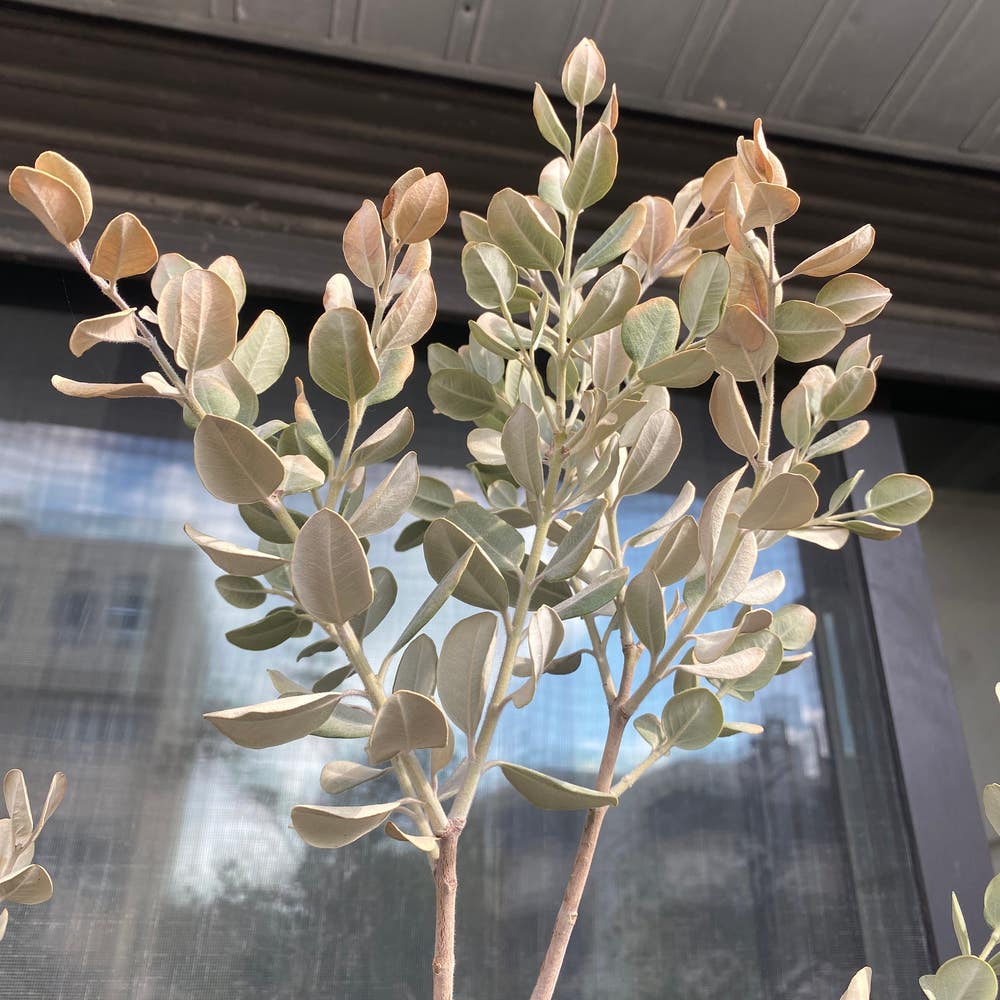
🌺 Ultimate Guide to Potting Lehua
Metrosideros polymorpha
By the Greg Editorial Team
Nov 08, 2024•6 min read
This article was created with the help of AI so we can cover more plants for you. May contain errors. See one? Report it here.
- 🌱 Choose the right pot size: 4-6 inches for seedlings, 14-18 inches for mature plants.
- 🏺 Clay pots promote healthy roots; plastic pots are lightweight and cost-effective.
- 🚫 Ensure drainage holes to prevent root rot; aim for 3-5 holes per pot.
Pot Choice and Its Impact on Lehua
🌱 How Pot Choice Affects Health and Growth
Choosing the right pot is crucial for the health of your Lehua. A well-selected pot enhances root health and helps prevent common issues like overwatering.
The size and material of the pot play significant roles in soil moisture retention and aeration. For instance, a pot that mimics the natural volcanic soil environment of Lehua can promote better growth.
When selecting a pot, consider how it will support the plant's needs. The right choice can lead to thriving roots and vibrant foliage, ensuring your Lehua flourishes.
In summary, pot choice is not just about aesthetics; it's about creating the best possible conditions for your plant. This foundational step sets the stage for successful growth and development.
Next, let's explore the recommended pot sizes for different growth stages of Lehua.
Pot Sizes for Different Growth Stages
🌱 Recommended Sizes for Seedlings
Choosing the right pot size for your Lehua seedlings is crucial for their early development. An ideal container size is between 4 to 6 inches in diameter, which allows for adequate root establishment without overwhelming the young plant.
Starting small encourages the roots to grow strong and healthy. As your seedlings thrive, you can transition them to larger pots, ensuring they have enough space to expand.
🌳 Ideal Sizes for Mature Plants
As your Lehua matures, its pot size needs will change significantly. For young adult plants, a pot size of 10 to 12 inches in diameter is recommended to support their growth.
Once your Lehua reaches full maturity, opt for a pot size between 14 to 18 inches in diameter. Always consider the plant's height and root spread when selecting the appropriate pot size to ensure optimal growth and health.
Transitioning to the right pot size at each growth stage is essential for maintaining a thriving Lehua. Next, we’ll explore the various pot materials and how they can impact your plant's health.
Pot Materials
🌱 Benefits of Clay Pots
Clay pots are a gardener's best friend when it comes to Lehua. Their natural breathability allows for better air exchange, which is crucial for healthy root development.
Additionally, clay helps regulate soil temperature, preventing overheating during those hot Hawaiian days. Beyond functionality, these pots offer aesthetic appeal and carry cultural significance in Hawaiian gardening, making them a beautiful choice for any plant enthusiast.
🪴 Advantages of Plastic Pots
Plastic pots have their own set of perks that make them popular among gardeners. They are lightweight and easy to move, which is perfect for those who like to rearrange their plants or bring them indoors during colder months.
Moreover, plastic pots retain moisture longer, which can be beneficial in drier conditions. Their cost-effectiveness and availability in various sizes make them a practical option for anyone looking to pot their Lehua.
⚖️ Comparison of Other Materials
Ceramic Pots
Ceramic pots are attractive options that provide good insulation for your plants. However, they tend to be heavier, which may be a consideration if you're dealing with larger plants.
On the downside, ceramic pots can be pricier compared to plastic, so it's essential to weigh the benefits against your budget.
Biodegradable Pots
Biodegradable pots are eco-friendly options that can be planted directly into the ground. They are particularly suitable for seedlings, offering a gentle start to life.
However, they may not provide the long-term support needed for mature plants. Durability and moisture retention are also factors to consider when opting for biodegradable materials.
In summary, choosing the right pot material is essential for the health and growth of your Lehua. Each option has its unique benefits and drawbacks, so consider your specific needs and environment when making a decision. Next, let’s explore the importance of drainage considerations to ensure your Lehua thrives.
Drainage Considerations
🌊 Importance of Drainage Holes
Drainage holes are crucial for the health of your Lehua. They prevent root rot and overwatering, ensuring your plant thrives.
For optimal drainage, aim for at least 3-5 holes in the bottom of your pot. Each hole should be about 1/2 inch in diameter to facilitate proper water flow.
🚰 Ensuring Proper Drainage
To enhance drainage, start by adding a layer of gravel or small stones at the bottom of the pot. This creates a barrier that helps excess water escape.
Next, choose a potting soil that promotes drainage, such as a volcanic soil mix. This type of soil mimics Lehua's natural habitat and supports healthy root development.
Regularly check your drainage holes for blockages. Keeping them clear is essential for maintaining the right moisture levels in the soil.
With proper drainage in place, your Lehua will have the best chance to flourish. This sets the stage for successful repotting and ongoing care.
Repotting Lehua
Signs That Repotting is Needed 🌱
Recognizing when your Lehua needs repotting is crucial for its health. Look for roots growing out of the drainage holes, which indicates that the plant is root-bound.
Additionally, if you notice stunted growth or yellowing leaves despite proper care, it's a sign that your Lehua may need more space. Lastly, if the soil dries out too quickly, this could mean the roots are crowded and struggling for moisture.
Best Practices for Repotting 🛠️
When it's time to repot, follow these best practices to ensure a smooth transition:
- Choose a larger pot: Select a pot that is 2-4 inches larger in diameter than the current one.
- Prepare fresh potting soil: Use a mix that mimics volcanic soil for optimal growth.
- Gently remove the plant: Carefully take the Lehua out of its current pot, avoiding damage to the roots.
- Position the plant: Place it in the new pot, filling in with soil while keeping the root ball level with the pot rim.
- Water thoroughly: This helps settle the soil and removes any air pockets.
Choosing the Right Pot When Repotting 🪴
Selecting the right pot is essential for your Lehua's continued growth. Consider its growth stage to determine the appropriate pot size.
Evaluate the pot material based on your environment, such as humidity and temperature. Finally, ensure that the new pot has adequate drainage holes to promote optimal root health.
With these guidelines, your Lehua will thrive in its new home, setting the stage for vibrant growth. Next, let’s explore the importance of drainage considerations to keep your plant healthy and happy.
⚠️ Safety First
This content is for general information and may contain errors, omissions, or outdated details. It is not medical, veterinary advice, or an endorsement of therapeutic claims.
Always consult a qualified healthcare professional before using any plant as food, medicine, or supplement.
Never eat any plant (or feed one to pets) without confirming its identity with at least two trusted sources.
If you suspect poisoning, call Poison Control (800) 222-1222, the Pet Poison Helpline (800) 213-6680, or your local emergency service immediately.
Spotted an error? Please report it here.
Potting your Lehua for optimal growth 🌿 is easy with Greg's tailored tips and reminders, ensuring your plant thrives in the perfect pot every step of the way!