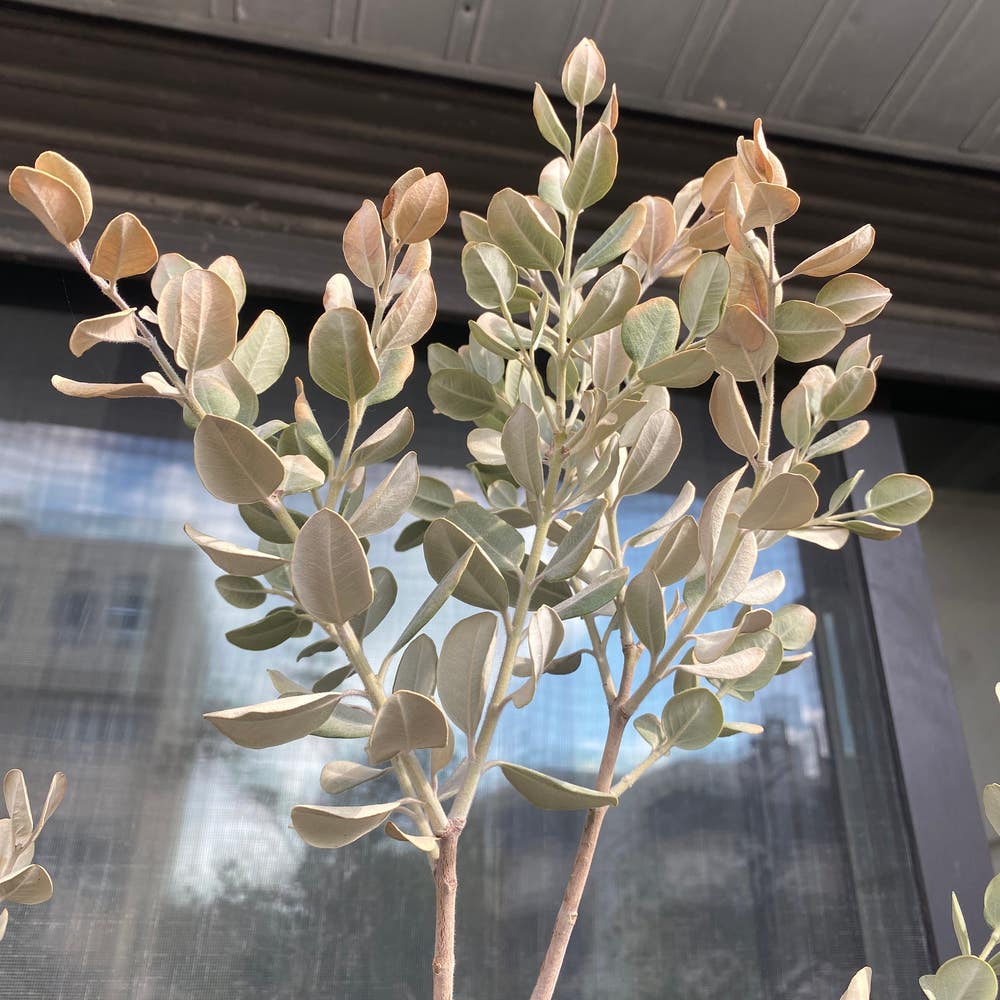
🍃 Managing Black Spots on Your Lehua Leaves
Metrosideros polymorpha
By the Greg Editorial Team
Nov 08, 2024•5 min read
This article was created with the help of AI so we can cover more plants for you. May contain errors. See one? Report it here.
- 🌱 Identify infections early to effectively treat black spots on Lehua leaves.
- ✂️ Prune affected leaves and disinfect tools to prevent spreading infections.
- 🌞 Ensure proper sunlight and drainage to maintain healthy Lehua plants.
Diagnosing Black Spots
🦠 Differentiating infections
Identifying the type of infection on your Lehua leaves is crucial for effective treatment. Fungal infections often present with distinct spore patterns and changes in leaf texture, such as discoloration or wilting.
In contrast, bacterial infections typically manifest as water-soaked lesions and curling leaves. If you're unsure, laboratory testing can provide an accurate diagnosis, ensuring you choose the right treatment.
📊 Assessing severity
Understanding the severity of the infestation is essential. Mild cases may only affect a few leaves, while severe cases can lead to significant plant decline.
To evaluate the impact on overall plant health, look for signs like stunted growth or yellowing leaves. Early detection is key; the sooner you identify the problem, the better your chances for successful treatment.
🔍 Importance of leaf inspection
Regular leaf inspections are vital for maintaining your Lehua's health. Techniques for effective checks include examining both the upper and lower leaf surfaces for any unusual spots or textures.
Equip yourself with a magnifying glass, gloves, and clean tools to ensure a thorough inspection. The best times to check for black spots are during the early morning or late afternoon when the light is optimal for spotting issues.
By staying vigilant, you can catch problems early and keep your Lehua thriving. This proactive approach sets the stage for effective treatment and long-term plant health.
Treating Black Spots
🌱 Step-by-step treatment guide
Initial assessment: Start by identifying the type of infection affecting your Lehua leaves. Look for visual cues that distinguish between fungal and bacterial infections.
Pruning affected leaves: Use clean, sharp scissors to carefully remove any leaves showing black spots. This helps prevent the spread of the infection to healthy foliage.
Cleaning tools: After pruning, disinfect your tools with rubbing alcohol or a bleach solution. This step is crucial to avoid transferring pathogens to other plants.
Applying treatments: Choose the right treatment based on your assessment. Timing is key; apply fungicides or organic solutions during cooler parts of the day to maximize effectiveness.
💊 Recommended treatments
Overview of effective fungicides for Lehua: Look for fungicides containing active ingredients like chlorothalonil or copper sulfate. These are proven to combat fungal infections effectively.
Organic treatments: If you prefer eco-friendly options, consider using neem oil or baking soda solutions. Both are gentle on plants yet tough on pests and diseases.
🏠 Home remedies
DIY treatments: You can create simple remedies at home. For instance, mix one tablespoon of baking soda with a gallon of water and spray it on affected leaves.
Efficacy of home remedies: While home remedies can be effective, they may not always match the potency of commercial products. Use them when the infection is mild or as a preventive measure.
Safety considerations: Always test any treatment on a small leaf area first. This ensures that your chosen remedy won't harm the plant further.
By following these treatment guidelines, you can effectively manage black spots on your Lehua leaves. With diligence and care, your plant can thrive again, setting the stage for the next steps in prevention and maintenance.
Preventing Black Spots
🌱 Best practices for care
Consistent care is crucial for keeping your Lehua healthy and free from black spots. Regular maintenance routines, such as checking for pests and ensuring proper nutrition, can make a significant difference.
Soil health plays a vital role in prevention. Amending your soil to improve drainage and nutrient content will create a thriving environment for your plants.
🚰 Proper watering and drainage
Watering techniques are essential to avoid overwatering, which can lead to fungal infections. Aim for deep, infrequent watering to encourage strong root systems while allowing the soil to dry out between sessions.
Ensure proper drainage in pots and garden beds. Good drainage prevents water from pooling, reducing the risk of root rot and other moisture-related issues.
☀️ Sunlight and air circulation
Lehua plants thrive with optimal sunlight exposure. Aim for at least six hours of direct sunlight daily to keep your plants vibrant and healthy.
Enhancing air circulation around your plants is equally important. Techniques like spacing plants adequately and using fans can improve airflow, reducing humidity levels that foster fungal growth.
By following these preventive measures, you can significantly reduce the risk of black spots on your Lehua leaves. Next, we’ll explore effective monitoring and maintenance strategies to keep your plants in top shape.
Monitoring and Maintenance
Regular inspection routines 🌱
Regular inspections are crucial for maintaining the health of your Lehua plants. Aim for weekly checks to catch any issues early, but bi-weekly inspections can suffice if your plants are thriving.
Documenting your observations is equally important. Keep a record of leaf health, noting any changes, black spots, or signs of stress. This will help you track patterns and identify recurring problems.
Seasonal considerations 🌦️
As the seasons change, so should your care practices. Adjust your watering, feeding, and inspection routines to align with the needs of your Lehua during different times of the year.
Be proactive about environmental stressors. For instance, prepare for the heat of summer by ensuring adequate hydration and shade, while winter may require protection from frost and cold winds.
Seeking professional help 🩺
Sometimes, despite your best efforts, you may need expert intervention. Look for signs like persistent black spots, rapid leaf decline, or unusual growth patterns that indicate a more serious issue.
Finding local plant disease specialists or extension services can provide the guidance you need. Timely action is essential to prevent plant loss, so don’t hesitate to reach out for help when needed.
With regular monitoring and a keen eye for changes, you can keep your Lehua healthy and thriving. Next, let’s explore effective treatments for those pesky black spots.
⚠️ Safety First
This content is for general information and may contain errors, omissions, or outdated details. It is not medical, veterinary advice, or an endorsement of therapeutic claims.
Always consult a qualified healthcare professional before using any plant as food, medicine, or supplement.
Never eat any plant (or feed one to pets) without confirming its identity with at least two trusted sources.
If you suspect poisoning, call Poison Control (800) 222-1222, the Pet Poison Helpline (800) 213-6680, or your local emergency service immediately.
Spotted an error? Please report it here.
Keep your Lehua leaves spot-free 🌱 by using Greg's tailored care reminders and treatment tips to catch issues early and maintain vibrant health!