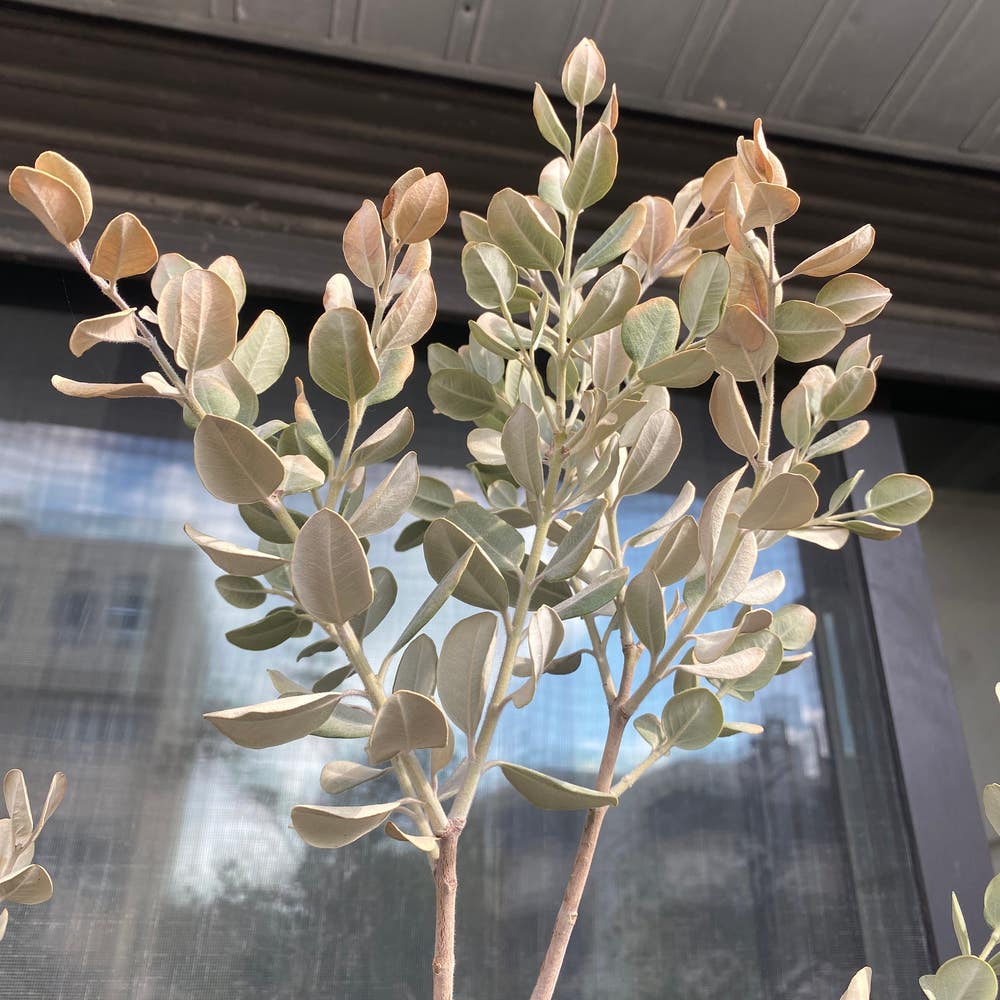
🌺 5 Tips for Propagating Your Lehua
Metrosideros polymorpha
By the Greg Editorial Team
Nov 08, 2024•5 min read
This article was created with the help of AI so we can cover more plants for you. May contain errors. See one? Report it here.
- 🌱 Propagate Lehua using cuttings, seeds, or air layering for diverse growth options.
- 🌡️ Maintain warm temperatures and high humidity for successful rooting and germination.
- 🌞 Provide bright, indirect light to prevent sunburn and support healthy seedlings.
Propagation Methods
🌱 Propagating from Cuttings
Step-by-step guide for taking cuttings
To start propagating your Lehua from cuttings, first, select healthy stems. Look for semi-hardwood stems that are about 4-6 inches long.
Next, make the cut using clean, sharp pruning shears. Cut just below a node to encourage new growth. After that, remove lower leaves from the lower half of the cuttisphagnum mossmoisture loss.
Ideal conditions for rooting cuttings
For successful rooting, maintain a warm environment with temperatures between 70roots 80°F (21°C to 27°C).
Additionally, ensure high humidity levels around 70-80% to promote healthy root devLehuaent.
Recommended soil and potting mix
Use a well-draining potting mix, such as a blend of peat moss and perlite, to provide the right environment for your cuttings.
Aim for a slightly acidic to neutral pH levbeautiful bloomsnd 7.0 for optimal growth.
🌼 Propagating from Seeds
How to collect and prepare seeds
When propagating from seeds, start by harvesting seeds from mature flower pods. Wait until they turn brown and dry for the best results.
Next, cleanMealybugss to remove any debris and allow them to dry for a few days before leaf drop
Germination process and conditions
For germination, use a seed-starting mix or a light, well-draininhealthy
Maintain a temperature of 70°F to 75°F (21°C to 24°C) for optimal germination, which typically takes 2-4 weeks.
#insecticidal soap seeneem oilransplant your seedlings when they have at least two sets of true leaves.
Space them 12-18 inches apart in theirHumidityation to allow for healthy growth.
🌳 Air Layering Technique
Step-by-step instructions for air layering
To propagate through air layering, start by selectemperatureshy branch that is at least 1/4 inch in diameter.
Next, make an upwarLight exposureing a ring around the branch, removing a strip of bark about 1 inch wide.
Then, apply rooting hormone to the exposed area to encourage root growth.
Wrap the cut area with moist sphagnum moss and cover it with plastic wrap to retain moisture.
Secure the wrap with tape or string to keep everything in place.
Finally, wait for rootsLehuaevelop, checking after 4-6 weeks. Once you see roots, cut below the new roots and transplant your new Lehua plant.
With these propagation methods, you can successfully grow your own Lehua plants, whether from cuttings, seeds, or air layering. Each method has its unique charm and can lead to a thriving garden filled with beautiful blooms.
Common Challenges
🐛 Pests and Diseases
Common pests affecting propagation
Pests can be a real headacherootn propagating your Lehua. Aphids are small, soft-bodied insects that suck the sap from plants, weakening them over time. Mealybugs, on the other hand, are white, cotton-like pests that can lead to leaf drop and stunted growth.
Disease prevention and treatment
Preventing these pests starts with maintaining Pruning shearsconditions. Regular inspections can help catch infestations early. If you do encounter pests, treatments like insecticidal moistureneem oil can effectively control their spread.
🌦️ Environmental Factors
Importance of humidity and temperature
Humidity plays a crucial role in successful prsoilation. High humidity levels are essential for both rooting cuttings potting mixrmination. Additionally, consistent warm temperatures help promote faster growth and development.
Light requirements
Light exposurfertilizerer critical factor. Providing bright, indirect light for your cuttings and seedlings helps prevent sunburn and supports healthy growth. Keeping these environmental factors in check will set you up for propagation success.
With a solid understanding of these challenges, you're better equipped to tackle the propagation of your Lehua. Next, let’s explore some best practices to enhance your success even further.
Best Practices
🌱 Timing for Propagation
Best seasons for propagating
The best time to propagate your Lehua is during late spring to early summer. This period is ideal because the plant is in its vigorous growth phase, making it more receptive to propagation efforts.
Signs of successful propagation
To determine if your propagation is successful, check for root development in your cuttings or seedlings. Additionally, new leaves or shoots are a positive sign that your plants are thriving and adapting well.
🛠️ Tools and Materials
Essential tools for propagation
Having the right tools can make propagation easier and more effective. Essential items include:
- Pruning shears: Perfect for taking cuttings and preparing branches for air layering.
- Plastic wrap: Useful for air layering to maintain moisture around the cut area.
- Seed trays: Ideal for starting seeds and transplanting seedlings once they are ready.
Recommended soil and fertilizers
Choosing the right soil and fertilizers is crucial for healthy growth. Use a well-draining potting mix or seed-starting mix to provide the best environment for your plants.
Once your seedlings establish roots, apply a diluted, balanced fertilizer to support their continued growth and development.
With these best practices in mind, you're well on your way to successfully propagating your Lehua. Next, let’s explore some common challenges you might encounter during the propagation process.
⚠️ Safety First
This content is for general information and may contain errors, omissions, or outdated details. It is not medical, veterinary advice, or an endorsement of therapeutic claims.
Always consult a qualified healthcare professional before using any plant as food, medicine, or supplement.
Never eat any plant (or feed one to pets) without confirming its identity with at least two trusted sources.
If you suspect poisoning, call Poison Control (800) 222-1222, the Pet Poison Helpline (800) 213-6680, or your local emergency service immediately.
Spotted an error? Please report it here.
Propagating your Lehua can lead to a blooming paradise 🌺, and with Greg's tailored care reminders and expert tips, you'll ensure your cuttings and seeds thrive every step of the way!