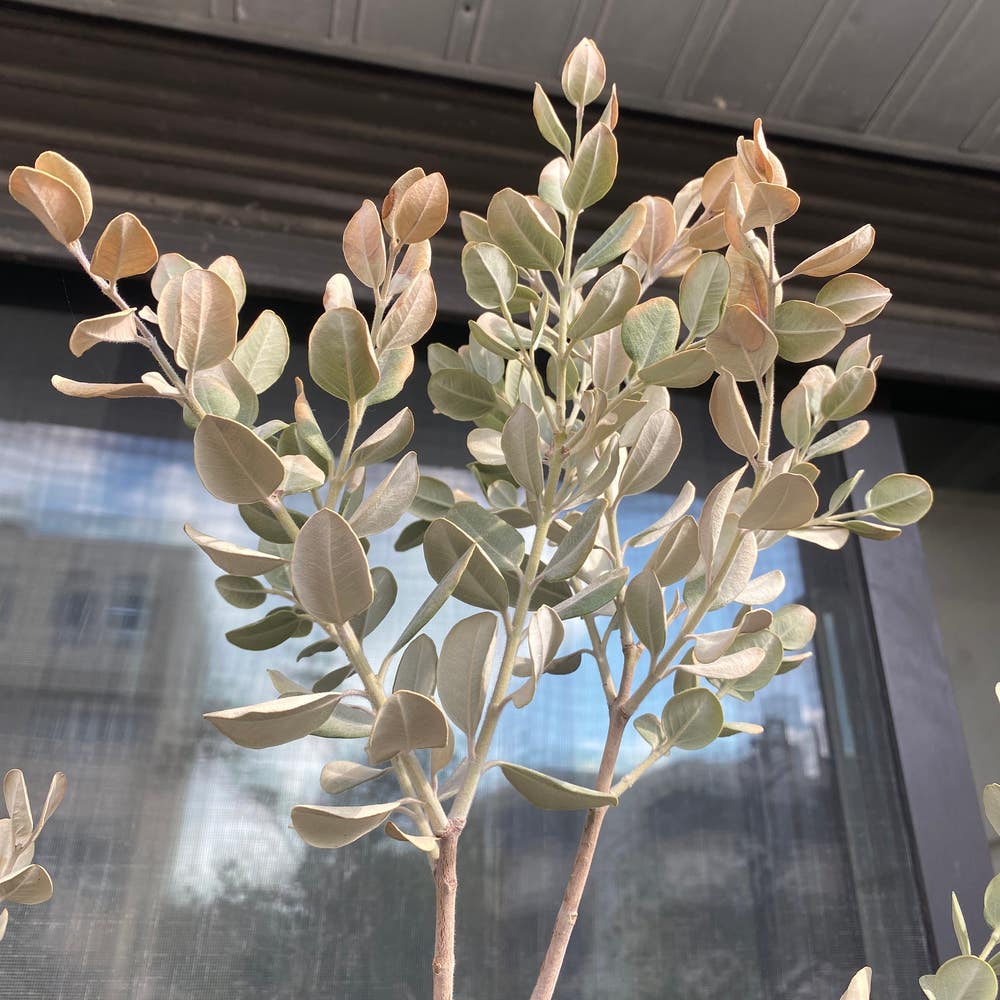
🌺 Lehua Is a Perennial
Metrosideros polymorpha
By the Greg Editorial Team
Nov 08, 2024•5 min read
This article was created with the help of AI so we can cover more plants for you. May contain errors. See one? Report it here.
- 🌱 Lehua is a resilient perennial, thriving through growth, dormancy, and regrowth phases.
- 🌼 Continuous flowering attracts pollinators, enhancing its ecological role and garden beauty.
- 🌞 Optimal care and conditions ensure Lehua's longevity, making it a sustainable garden choice.
Key Characteristics of Lehua
🌱 Lifecycle and Growth Patterns
Lehua plants exhibit a fascinating multi-year lifecycle that unfolds in distinct stages. It begins with an initial growth phase, where the plant establishes itself and develops a robust root system.
Following this, the flowering and seed production stage showcases the plant's beauty, attracting pollinators and ensuring its continuation. After this vibrant period, Lehua enters dormancy, a crucial phase that allows it to conserve energy and prepare for regrowth.
Unique Growth Patterns
One of the most remarkable aspects of Lehua is its ability to adapt to various environmental conditions. This adaptability ensures that the plant can thrive in diverse habitats, from tropical to temperate zones.
Moreover, Lehua demonstrates impressive resilience, often regrowing from its roots after adverse conditions. This characteristic not only highlights its hardiness but also makes it a valuable addition to any garden, as it can withstand challenges that might deter less robust plants.
With these unique lifecycle stages and growth patterns, Lehua stands out as a perennial that offers both beauty and resilience, making it a favorite among gardeners.
As we explore further, we’ll delve into how these characteristics influence the growth and flowering of Lehua throughout its lifespan.
Growth and Lifespan Implications
🌼 Effects of Perennial Nature on Growth and Flowering
Lehua's perennial nature means it can produce flowers continuously throughout its life. This results in a dynamic blooming cycle influenced by various factors, including temperature, humidity, and light exposure.
The timing of these blooms can vary significantly based on climate conditions. For instance, warmer climates may trigger earlier flowering, while cooler regions might delay the process.
⏳ Expected Lifespan and Influencing Factors
In optimal conditions, Lehua can thrive for several years, often outliving many other perennial plants. This longevity makes it a valuable addition to any garden.
When comparing lifespans, Lehua stands out for its resilience. However, its longevity is heavily influenced by environmental factors such as soil quality, water availability, and sunlight exposure.
To enhance the lifespan of Lehua, gardeners should focus on proper care practices. Regular watering, appropriate fertilization, and ensuring adequate sunlight can significantly extend its life.
In summary, understanding the growth and flowering patterns of Lehua not only enriches your gardening experience but also helps you make informed decisions for a thriving landscape. Next, we will explore the dormancy and seasonal changes that affect this remarkable plant.
Dormancy and Seasonal Changes
🌱 Dormancy Periods and Seasonal Triggers
Lehua plants experience distinct dormancy periods that are crucial for their lifecycle. Typically, dormancy occurs in response to seasonal changes, allowing the plant to conserve energy and resources.
The timing of dormancy can vary based on environmental factors, such as temperature and rainfall. These triggers significantly impact growth and flowering cycles, ensuring that Lehua can thrive in varying conditions.
🍂 Seasonal Changes Throughout the Year
Throughout the year, Lehua exhibits remarkable changes in foliage and flowering. In spring, you can expect vibrant growth as the plant awakens from dormancy, showcasing fresh leaves and buds.
Summer brings a burst of color with abundant flowers, attracting pollinators and enhancing the garden's beauty. As fall approaches, Lehua prepares for dormancy, shedding leaves and conserving energy for the winter months.
During winter, the plant demonstrates resilience, often maintaining some foliage while resting. This seasonal adaptability not only highlights the Lehua's strength but also its ability to thrive in diverse climates.
Understanding these seasonal changes can help gardeners anticipate the needs of their Lehua plants, ensuring they remain healthy and vibrant year-round. With this knowledge, you can better appreciate the cyclical nature of these remarkable perennials.
Advantages for Gardeners
Benefits of Reduced Replanting 🌱
Lehua plants offer significant advantages for gardeners, primarily through their reduced need for replanting. This characteristic makes them a long-term investment in garden planning, saving both time and money.
Cost-effectiveness is a major benefit. Once established, Lehua plants thrive year after year, minimizing the need for annual purchases. Additionally, their established presence contributes to environmental benefits, such as improved soil health and reduced erosion.
Importance of Established Root Systems 🌳
The health of Lehua plants is largely attributed to their robust root systems. These roots not only anchor the plant but also enhance its drought resistance and nutrient uptake.
In varying weather conditions, established roots provide stability. This resilience allows Lehua to withstand challenges that might otherwise hinder less established plants, ensuring a thriving garden year-round.
With these advantages, gardeners can enjoy a flourishing landscape with less effort and more sustainability. As we explore the next section, we'll delve into how climate zones influence the behavior of these remarkable perennials.
Variations Across Climate Zones
Differences in Perennial Behavior 🌱
Climate zones significantly influence the growth patterns of Lehua. In tropical regions, these plants thrive year-round, exhibiting continuous growth and vibrant flowering.
In contrast, temperate climates present a different scenario. Here, Lehua experiences distinct seasonal changes, leading to periods of dormancy that can affect flowering cycles.
Tips for Maximizing Benefits 🌟
To cultivate Lehua successfully, selecting the right planting location is crucial. Aim for spots that align with the plant's sunlight and moisture needs.
Understanding local climate impacts can also enhance your gardening efforts. Pay attention to seasonal shifts and adjust care practices accordingly to ensure robust growth.
Long-term care practices, such as regular pruning and soil enrichment, can further improve the health and longevity of your Lehua plants. By nurturing established root systems, you’ll maximize their resilience and beauty throughout the seasons.
As you explore the variations in Lehua across different climates, consider how these insights can transform your gardening experience. Embrace the unique challenges and rewards that come with cultivating this remarkable perennial.
⚠️ Safety First
This content is for general information and may contain errors, omissions, or outdated details. It is not medical, veterinary advice, or an endorsement of therapeutic claims.
Always consult a qualified healthcare professional before using any plant as food, medicine, or supplement.
Never eat any plant (or feed one to pets) without confirming its identity with at least two trusted sources.
If you suspect poisoning, call Poison Control (800) 222-1222, the Pet Poison Helpline (800) 213-6680, or your local emergency service immediately.
Spotted an error? Please report it here.
Help your Lehua thrive through its vibrant life stages 🌱 by using Greg's tailored care tips for optimal growth and resilience, ensuring your garden flourishes year after year!