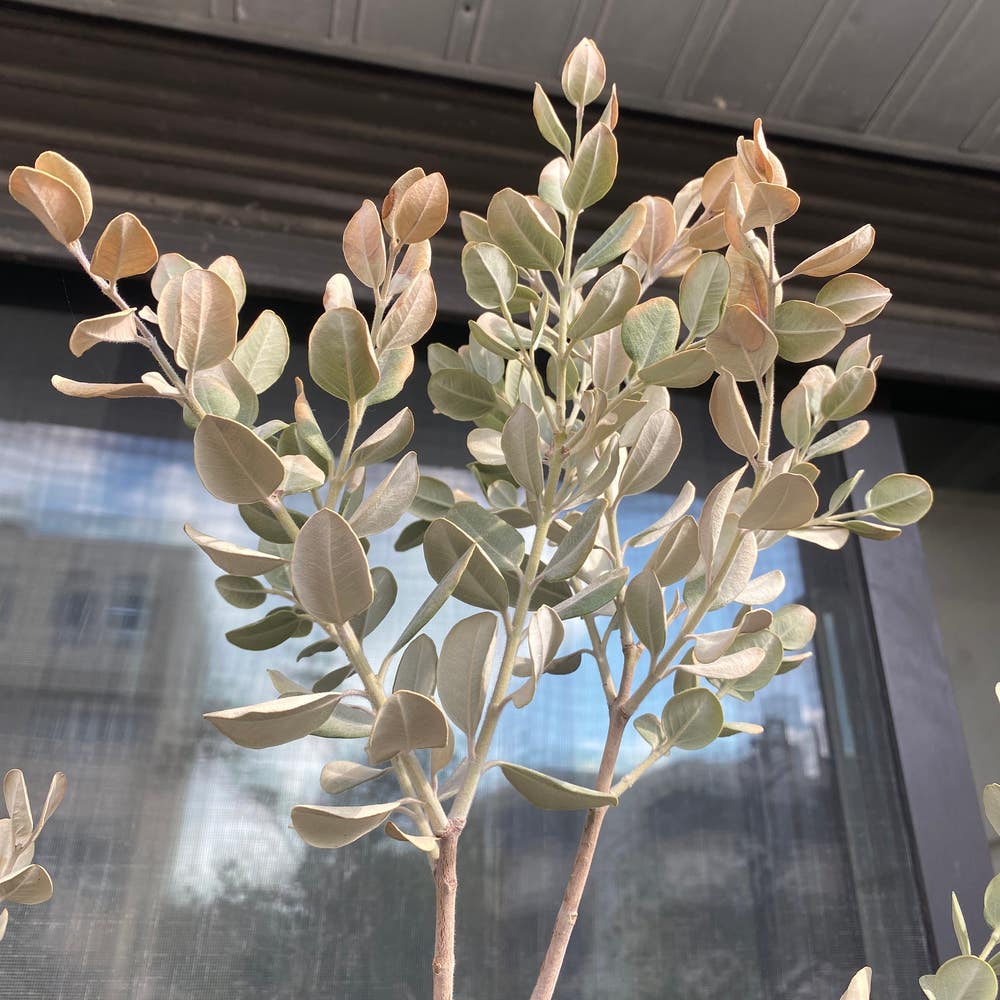
🌺 Best Climate for Lehua: Zones 10a-11b
Metrosideros polymorpha
By the Greg Editorial Team
Nov 08, 2024•7 min read
This article was created with the help of AI so we can cover more plants for you. May contain errors. See one? Report it here.
- 🌡️ Lehua thrives in USDA zones 10a-11b, ideal for growth in specific U.S. regions.
- 🌧️ Optimal conditions include high humidity, consistent rainfall, and full sunlight exposure.
- ❄️ Protect Lehua from frost using cloths and planting in sheltered areas.
Lehua's Temperature Tolerance
❄️ Cold Tolerance Specifics
Lehua plants can tolerate temperatures as low as 30°F (-1°C). However, frost can be particularly damaging during their juvenile stages, potentially stunting growth or causing dieback.
To protect Lehua from frost damage, consider using frost cloths or blankets during cold snaps. Additionally, planting in sheltered areas can help mitigate frost exposure.
🔥 Heat Tolerance Specifics
On the flip side, Lehua can withstand temperatures up to 100°F (38°C). Prolonged exposure to such heat can stress the plant, leading to wilting or reduced flowering.
Maintaining adequate moisture and ensuring well-draining soil are crucial in high temperatures. These factors help Lehua thrive even when the mercury rises.
🌡️ Ideal Temperature Ranges for Optimal Growth
For optimal growth, Lehua flourishes best in temperatures ranging from 60°F to 85°F (15°C to 29°C). Seasonal temperature variations can influence growth patterns, making it essential to monitor these changes.
Consistency in temperature is vital for flowering and overall plant health. Fluctuations outside this range can hinder the plant's development and flowering potential.
Ideal Growing Regions
🌍 Examples of US States in Zones 10a-11b
Lehua thrives in USDA zones 10a to 11b, making several states ideal for its cultivation. Notable states include:
- California: Particularly in Southern California, regions like San Diego and Los Angeles offer the warm, sunny conditions Lehua loves.
- Florida: The entire state, especially areas like Miami and the Florida Keys, provides the humidity and warmth that support healthy growth.
- Hawaii: Naturally, Hawaii is a prime location, with its volcanic soils and tropical climate perfectly suited for Lehua.
- Texas: The southern parts, including areas around Brownsville and the Rio Grande Valley, also create favorable conditions.
☀️ Factors Contributing to Ideal Growing Conditions
Several climate characteristics play a crucial role in Lehua's success.
- Humidity: High humidity levels help maintain moisture in the air, which is beneficial for Lehua.
- Rainfall: Consistent rainfall supports the plant's water needs, especially during the growing season.
- Sunlight Exposure: Full sun is essential for optimal growth, as Lehua requires plenty of light to flourish.
Soil type is another critical factor. Lehua prefers:
- Well-draining soils: This prevents root rot and allows for healthy growth.
- Volcanic soils: Rich in nutrients, these soils provide the minerals necessary for robust plant health.
Additionally, local flora and fauna interactions can enhance Lehua's growth. Companion plants can provide shade or attract beneficial insects, creating a supportive ecosystem.
🌎 Comparison of Different Regions Within the Suitable Zones
While California, Florida, Hawaii, and Texas are all suitable for Lehua, climate conditions can vary significantly within these states.
- California: Coastal areas may have cooler temperatures, while inland regions can experience higher heat.
- Florida: The humidity can vary, with coastal areas generally being more humid than inland regions.
- Hawaii: Different islands have unique microclimates, affecting temperature and rainfall patterns.
- Texas: The southern regions are warmer, but areas further north may not provide the same heat levels.
Local weather patterns also influence Lehua's growth. For instance, areas with consistent rainfall can support healthier plants, while those with sporadic rain may require additional irrigation.
Successful case studies highlight these differences. In California, Lehua has thrived in the San Diego area, where the climate is consistently warm and humid. In Florida, the Florida Keys have shown remarkable success due to their tropical conditions.
Understanding these regional variations helps gardeners choose the best locations for cultivating Lehua, ensuring they can enjoy its beauty and resilience.
As we explore the impact of microclimates next, we'll see how even small changes in environment can significantly affect Lehua's growth potential.
Microclimates and Their Impact
🌍 Definition and Importance
Microclimates are localized climate zones that differ from the surrounding areas. They form due to variations in topography, vegetation, and human activity, creating unique environments that can significantly affect plant growth.
Understanding microclimates is crucial for gardening and plant care. They can offer specific conditions that enhance the health and productivity of plants like Lehua, making them a vital consideration for any gardener.
🌱 Extending Lehua's Growing Range
Microclimates can be a game-changer for extending Lehua's growing range. For instance, they can shield plants from frost, allowing them to thrive in otherwise unsuitable areas.
Elevation plays a key role in creating microclimates. Higher altitudes often experience cooler temperatures, while proximity to water bodies can moderate temperature extremes. Urban environments can also generate heat islands, benefiting plants that prefer warmer conditions.
To identify and utilize microclimates for Lehua cultivation, observe your garden's layout. Look for sheltered spots, such as those near walls or fences, where plants can receive warmth and protection from harsh winds.
🌊 Examples of Favorable Microclimates
Certain locations are particularly favorable for Lehua due to their microclimates. Coastal areas often provide a mild climate with consistent moisture, while sheltered valleys can offer protection from wind and frost.
Case studies show successful Lehua growth in non-traditional zones, thanks to these microclimates. For example, gardeners in urban settings have reported thriving Lehua plants in small, protected spaces that benefit from the warmth of surrounding structures.
Understanding and leveraging microclimates can open new possibilities for growing Lehua, even in less-than-ideal conditions. As we explore state-level suitability next, consider how these localized climates can enhance your gardening experience.
State-Level Suitability Analysis
🌱 Suitable States for Lehua Cultivation
Lehua thrives in USDA zones 10a-11b, making certain states ideal for its growth. Here’s a look at the states where Lehua can flourish:
- California: Known for its diverse climates, California offers warm coastal areas and mild inland regions, perfect for Lehua.
- Florida: With its tropical climate, Florida provides ample humidity and warmth, creating a paradise for Lehua.
- Hawaii: The native home of Lehua, Hawaii’s volcanic soils and consistent temperatures are ideal for this plant.
- Texas: Certain regions in Texas, particularly along the coast, experience the right conditions for Lehua cultivation.
Each of these states features a unique blend of warmth, moisture, and sunlight, essential for Lehua's health and growth.
❌ Unsuitable States for Lehua Cultivation
Not all states can support Lehua's needs. States like Alaska, North Dakota, and Minnesota fall outside the suitable hardiness zones.
- Alaska: The extreme cold and long winters make it impossible for Lehua to survive.
- North Dakota: Harsh winters and short growing seasons prevent successful cultivation.
- Minnesota: Similar to North Dakota, the cold climate and frost occurrence are detrimental to Lehua.
These states lack the warmth and extended growing seasons that Lehua requires to thrive.
🔍 Reasons for Suitability or Unsuitability
Understanding why certain states are suitable or unsuitable for Lehua involves analyzing several factors.
- Temperature Extremes: Lehua can tolerate temperatures between 30°F and 100°F. States with frequent frost or extreme heat can hinder its growth.
- Frost Occurrence: Areas with late spring frosts can damage young Lehua plants, making them unsuitable for cultivation.
- Growing Season Length: States with shorter growing seasons may not allow Lehua to reach its full potential.
Soil conditions also play a crucial role. Well-draining, volcanic soils are preferred for Lehua, while states with heavy clay or poor drainage can lead to root rot.
Culturally, Lehua holds significance in Hawaiian traditions, making its adaptability in various environments a fascinating aspect of its cultivation. Understanding these factors can help gardeners make informed decisions about where to plant Lehua successfully.
As we explore the next section, we will delve into the impact of microclimates on Lehua cultivation, revealing how local conditions can create opportunities for growth even in less-than-ideal environments.
⚠️ Safety First
This content is for general information and may contain errors, omissions, or outdated details. It is not medical, veterinary advice, or an endorsement of therapeutic claims.
Always consult a qualified healthcare professional before using any plant as food, medicine, or supplement.
Never eat any plant (or feed one to pets) without confirming its identity with at least two trusted sources.
If you suspect poisoning, call Poison Control (800) 222-1222, the Pet Poison Helpline (800) 213-6680, or your local emergency service immediately.
Spotted an error? Please report it here.
Unlock the secret to a thriving Lehua 🌿 by using Greg's tailored watering reminders and care tips to create the perfect climate for your plant!