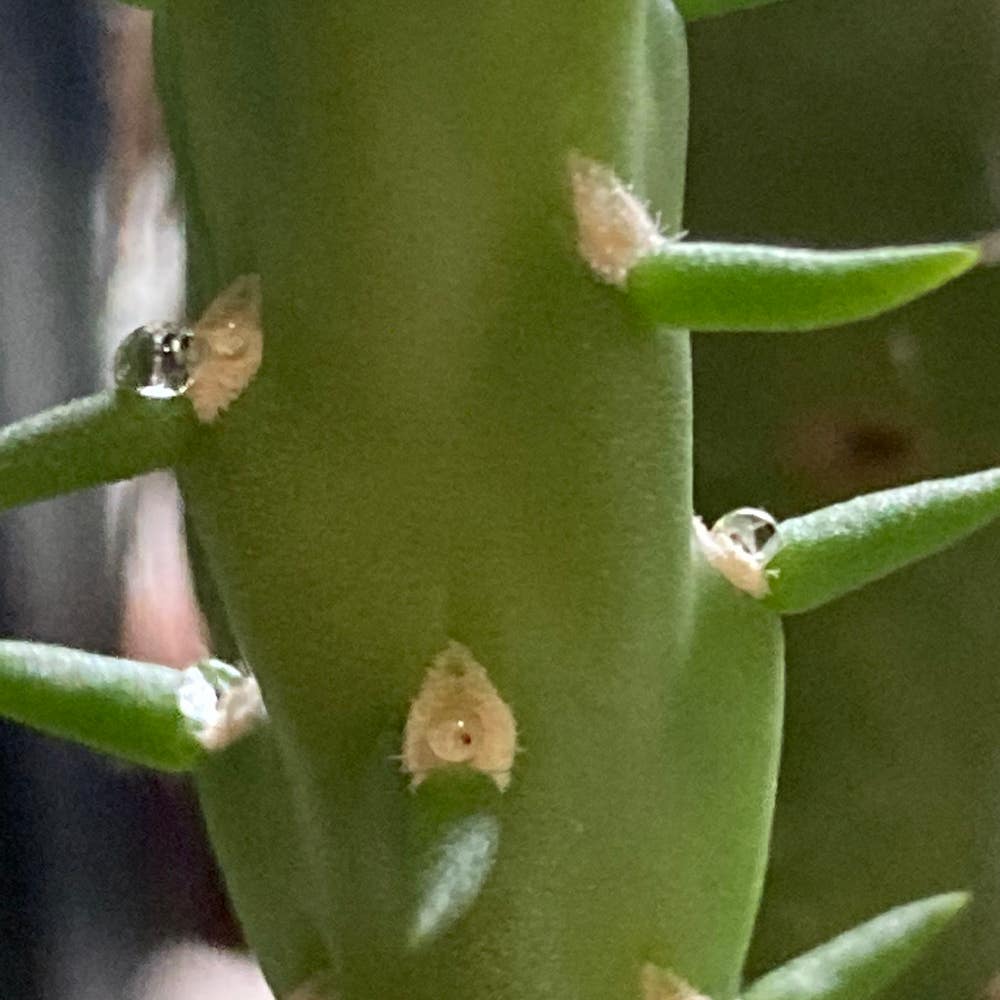
🌵 Should I Repot My Hoffmann's Teddy Bear Cholla?
Cylindropuntia fosbergii
By the Greg Editorial Team
Feb 29, 2024•4 min read
This article was created with the help of AI so we can cover more plants for you. May contain errors. See one? Report it here.
- Roots peeking out? Time to repot your cactus.
- 🌵 Terracotta pots are best for healthy cactus roots.
- Post-repotting tip: Wait a week before watering.
Spotting the Tell-Tale Signs for Repotting
🌱 Roots on the Run
If you see roots sneaking out of the drainage holes, it's not your cactus playing hide and seek. It's cramped and needs a new home.
🚀 Sluggish Growth
A Hoffmann's Teddy Bear Cholla that's stopped growing is a silent protest against its confined space. Time to consider a pot upgrade.
😩 Stress Signals
Yellow leaves or a general look of despair? It's not just being dramatic; these are cries for a change of scenery (and pot).
The Repotting Rodeo: A Step-by-Step Guide
🌵 Preparing for the Prickly Process
Before you wrangle with your Hoffmann's Teddy Bear Cholla, suit up. Thick gloves are non-negotiable—think armor against a miniature porcupine. Gather your tools: a new pot, cactus mix, trowel, snips, and a watering can. Clear your workspace; you're about to enter a spine-filled zone.
🏜️ The Great Escape
It's time to liberate your cactus. If the pot's as stubborn as a mule, a gentle twist or a tap should do the trick. Once it's out, inspect the roots like a detective at a crime scene. Treat them with the tenderness of a first date—no roughhousing allowed.
🌵 Settling into a New Desert Den
Now, for the cactus's new digs. Begin with a layer of fresh cactus mix, then settle your plant in like it's royalty entering its throne room. Backfill without compacting—cacti disdain claustrophobia. Water once, deeply, then let it dry out like a desert awaiting rain. You've just nailed the cactus shuffle.
Choosing the Right Pot: Material Matters
🏺 Terracotta vs. Ceramic: The Breathable Champions
Terracotta pots are the unsung heroes for cactus aficionados. Their porous nature acts like a self-regulating system, wicking away excess moisture and allowing roots to breathe. This helps prevent overwatering, a common misstep that can lead to root rot.
Ceramic pots, often glazed and colorful, offer a similar breathability with a bit more style. However, they're not as porous as terracotta, which means they don't dry out as quickly. This can be a boon or bane, depending on your watering habits.
🚫 The No-Go List
Plastic pots might be lightweight and cheap, but they're notorious for trapping moisture. This can turn your pot into a swampy nightmare for roots. And let's not even talk about metal pots; unless they come with adequate drainage, they're practically a one-way ticket to root rot city.
Materials like glass or sealed concrete are also on the no-fly list. They might look chic, but they offer zero breathability. Always prioritize your plant's health over the pot's appearance. Remember, a pot that's just 1-2 inches wider than the last is the sweet spot—too big, and you're asking for trouble.
After the Move: Post-Repotting Care
🔍 The First Few Days
After repotting your Hoffmann's Teddy Bear Cholla, patience is key. Resist the urge to water immediately; give it about a week to let any root trauma heal. This waiting period is like the calm after the storm, crucial for the plant's recovery. Keep a watchful eye for any signs of distress such as wilting or discoloration, which could indicate a need for environmental adjustments.
🌵 Long-Term Thriving
Once your cactus has settled, it's time to think about the long game. Watering should be infrequent, allowing the soil to completely dry out between sessions. When it comes to feeding, hold off on the fertilizer for the first month. After that grace period, a monthly dose of low-nitrogen cactus fertilizer during the growing season will do. Remember, your cactus craves sunshine; make sure it's getting plenty of light, or consider a grow light to prevent it from becoming the botanical equivalent of a couch potato.
⚠️ Safety First
This content is for general information and may contain errors, omissions, or outdated details. It is not medical, veterinary advice, or an endorsement of therapeutic claims.
Always consult a qualified healthcare professional before using any plant as food, medicine, or supplement.
Never eat any plant (or feed one to pets) without confirming its identity with at least two trusted sources.
If you suspect poisoning, call Poison Control (800) 222-1222, the Pet Poison Helpline (800) 213-6680, or your local emergency service immediately.
Spotted an error? Please report it here.
Ensure your Hoffmann's Teddy Bear Cholla thrives in its new pot by following Greg's custom care plan 🌵, including tailored watering reminders and more, after you repot.