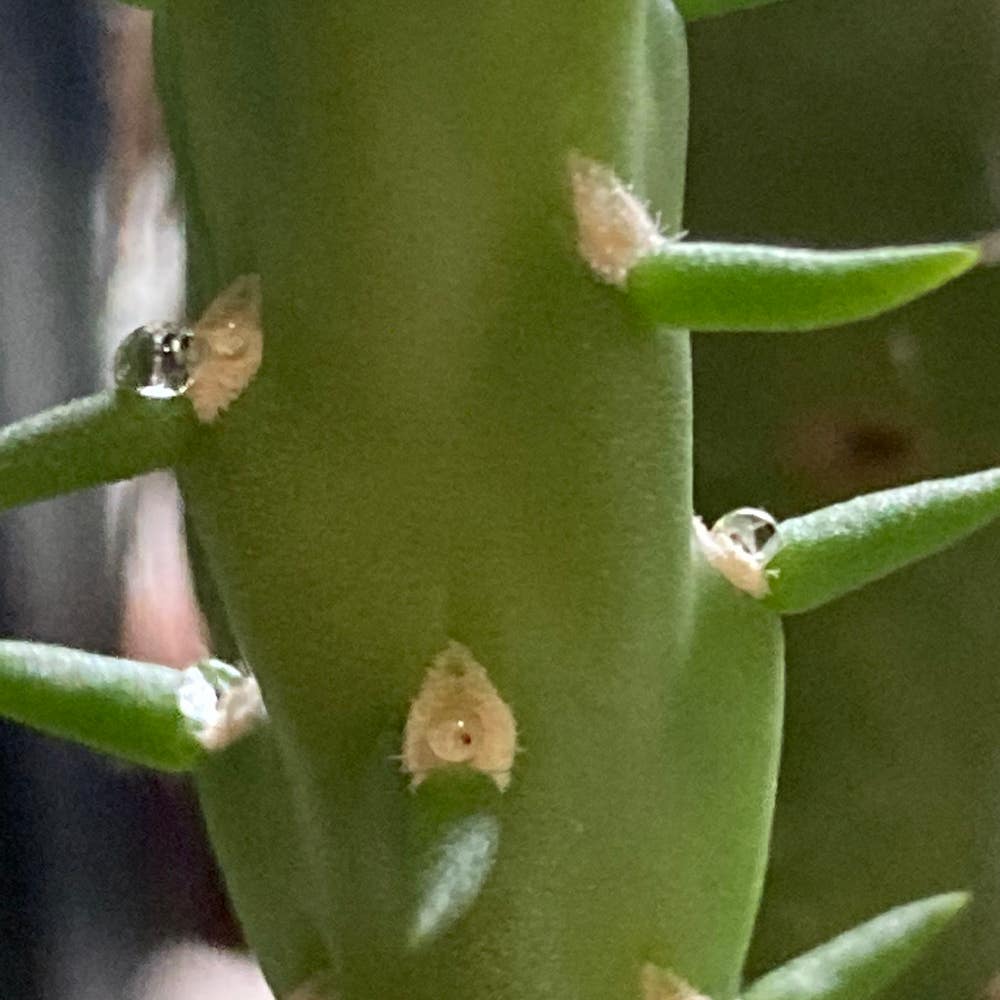
4 Tips for Pollinating Teddy Bear Cactus
Cylindropuntia fosbergii
By the Greg Editorial Team
Jul 28, 2024•6 min read
This article was created with the help of AI so we can cover more plants for you. May contain errors. See one? Report it here.
- 🌵 Cross-pollination is key for Teddy Bear Cactus reproductive success.
- 🦇🐝 Attract natural pollinators or use hand pollination techniques.
- 🌞💦 Environmental factors affect pollination; adjust for optimal success.
Determining Pollination Type
Teddy Bear Cactus, known scientifically as Cylindropuntia bigelovii, has a unique pollination process that intrigues many gardeners. To clarify, this species is predominantly cross-pollinated, requiring the transfer of pollen between different plants for successful fertilization.
- Understanding whether a plant is self-pollinating or requires cross-pollination is vital for gardeners. It informs their cultivation strategy and helps ensure the health and reproductive success of their plants.
- For Teddy Bear Cactus, cross-pollination typically involves the assistance of pollinators such as bees, which are attracted to the plant's diurnal flowers that bloom in various colors from pale yellow to light green, sometimes tipped red.
Knowing the pollination type of Teddy Bear Cactus allows gardeners to take appropriate measures to encourage pollinator visits, which is essential for the plant's reproduction and fruit production.
Flower Structure and Pollination
The Teddy Bear Cactus flower is a marvel of desert adaptation, designed to maximize its chances of pollination in a sparse environment. Atop a specialized stem, the flower unfurls to reveal a vibrant array of sepals and petals, encircling the core where the reproductive parts lie.
- Sepals and Petals: These form a protective and attractive outer layer, often in shades that catch the eye of pollinators.
- Stamens: These are the male parts, tipped with anthers that house the pollen.
- Style and Stigma: The female components, with the stigma ready to catch pollen grains.
- Ovary: Located at the base, it awaits fertilization to begin seed formation.
This structure is not just for show; it's a strategic setup for survival. The Teddy Bear Cactus relies on the precise arrangement of its reproductive organs to facilitate cross-pollination. Pollinators, attracted by the flower's allure, navigate the floral architecture, unwittingly transferring pollen from stamen to stigma as they seek nectar.
The cactus's reliance on cross-pollination is evident in its flower design. Each part plays a role in a delicate dance with nature's pollinators, ensuring that genetic diversity is achieved through the mingling of pollen from different plants. This diversity is crucial for the resilience and health of the species, allowing it to thrive in the challenging desert climate.
Natural Pollination Mechanisms
Teddy Bear Cactus, with its spiky allure, relies on a fascinating pollination ballet performed by nature's agents.
🌙 Pollen Transfer
Pollen transfer in Teddy Bear Cactus is a natural marvel, often facilitated by nocturnal visitors. Here's how it typically unfolds:
- Bats: These night-time pollinators are attracted to the cactus's flowers, which open after dusk. As they feast on the nectar, their bodies brush against the stamens, picking up pollen.
- Bees and Birds: During daylight, bees and hummingbirds take over, drawn by the vibrant blooms. They inadvertently collect and deposit pollen as they move from flower to flower.
- Wind: On breezier days, pollen grains can hitch a ride on the wind, finding their way to the sticky stigmas owilting flowerflowers.
🌺 Attracting Pollinators
The Teddy Bear Cactus has evolved stratefruit or seed developmentle to its pollinator partners:
- Nocturnal Flowering: By blooming atnext flowering cycleaps into the ecological niche of nocturnal pollinators like bats and moths.
- Bright Blooms Teddy Bear Cactus The vivid flowers and rich nectar supplyour gardenen call to bees and birds during the day.
- Scent and CCompanion plants subtle fragrance and showcasing colors that are visible to their pollinators, the cactus Teddy Bear Sunflowers unnoticed.
By understanding these natural interactions, gardeners can appreciate the delicate balance required to sustain the Teddy Bear Cactus's reproductive cycle.
Hand PolNative Wildflowerss
Sometimes, Teddy Bear Cactus may not pollinate naturally due to environmental factors or lack of pollinators. Hand pollination becomes a practical solution to ensure seed production and the continuation of your cactus's lineage.
🌸 Step-by-Step Guide
To hand-poChemical-Free Zone Bear Cactus, follow these steps:
- Identify the male and femWater Source The male flowers have stamens that produce pollen, while the female flowers have a pistil.
- Use a small, clean brush or cotton swab to gently collect pollen from the stamens of a male flower.
- Carefully transfer the pollen to the pistil of a female flower. Ensure the pollen makes contact with the sticky surface of the pistil.
- Repeat the process with multiple flowers to increase the chances of successful pollination.
🌺 Ensuring Success
After hand pollinating, look for these signs of success:
- Check for the development of fhumidityseed pods, which indicates that pollination has occurred.
- Observe the flowers over tExtreme temperatureswilting flower is often a sign that pollination has been successHigh humidityre's no sign of fruit or seed development after a few weeks, you may need to try pInconsistent wateringng the next flowering cycle.
Encouraging Pollinators
Creating a pollinator-friendly environment is crucial for the Teddy Bear Cactus's pollination. Here's how you caCreate microclimatesnto a pollinator paradise.
🌸 Companion Planting
Companion plants can be the life of consistent watering scheduleonsider these additions to your garden:
- Teddy Bear Sunflowers: Their Avoid overcrowdingh blooms are irresistible to bees and butterflies.
- Flowering Herbs: Lavender, sage, and thyme offer a buffet of nectar throughout the growing season.
- Native Wildflowers: They're the original favorites of local pMinimize pesticide use# 🏡 Habitat Enatural pest controlple changes can make your garden a havecheck for pestsrs:
- Diverse Plant Selection: Ensalcoholear-insecticidal soapectar and pollen by planting a variety of species.
- Chemical-Free Zone: Skip the pesticides to keep pollinators safe and healthy.
- Water Source: A shallow dish or birdbath with clean water can be a lifesaver for thirsty pollinators.
- Shelter: Leave some natural areas untouched for pollinators to call home, like a pile of rocks or dead wood.
- Native Plants: They're not just beautiful—they provide essential food and habitat for native wildlife.
Overcoming Pollination Challenges
Gardeners often face hurdles when ensuring the successful pollination of their Teddy Bear Cactus. Let's explore these challenges and find solutions.
🌿 Environmental Influences
Temperature and humidity play crucial roles in pollination success. Here's how they can impact your cactus:
- Extreme temperatures can reduce pollinator activity and affect pollen viability.
- High humidity might lead to fungal diseases, which can damage flowers and deter pollinators.
- Inconsistent watering can stress plants, leading to poor flower development.
🛠 Solutions for Gardeners
Combatting environmental challenges requires a mix of vigilance and creativity:
- Create microclimates using shade cloth or windbreaks to shield plants from harsh temperatures.
- Implement a consistent watering schedule, tailored to seasonal changes, to maintain optimal moisture levels.
- Avoid overcrowding; give your cacti space to ensure adequate air circulation and reduce disease risk.
To attract natural pollinators, consider these strategies:
- Plant diverse flowering species to offer a continuous food source.
- Minimize pesticide use, opting for natural pest control to keep pollinators safe.
- Regularly check for pests like mealybugs and aphids, using alcohol or insecticidal soap for treatment.
By addressing these environmental factors and fostering a pollinator-friendly garden, you'll enhance your Teddy Bear Cactus's chances for successful pollination.
⚠️ Safety First
This content is for general information and may contain errors, omissions, or outdated details. It is not medical, veterinary advice, or an endorsement of therapeutic claims.
Always consult a qualified healthcare professional before using any plant as food, medicine, or supplement.
Never eat any plant (or feed one to pets) without confirming its identity with at least two trusted sources.
If you suspect poisoning, call Poison Control (800) 222-1222, the Pet Poison Helpline (800) 213-6680, or your local emergency service immediately.
Spotted an error? Please report it here.
Boost your Teddy Bear Cactus's pollination success with Greg's tailored reminders 🐝 for creating the perfect bloom-boosting environment.