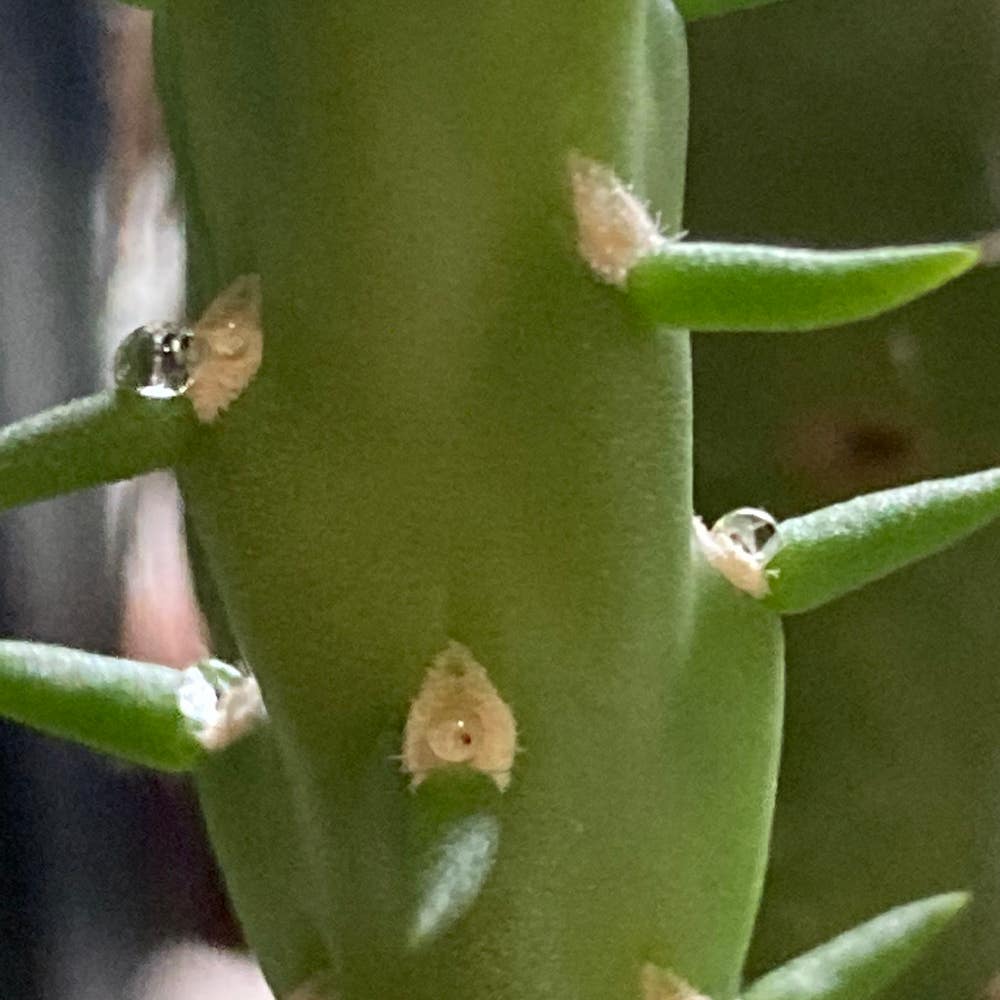
🧸 5 Tips to Save Your Teddy Bear Cactus from Dying
Cylindropuntia fosbergii
By the Greg Editorial Team
Jul 28, 2024•6 min read
This article was created with the help of AI so we can cover more plants for you. May contain errors. See one? Report it here.
- 🌵 Recognize distress signs like discoloration, wilting, and soft stems.
- 💧 Address over/underwatering with proper soil and watering adjustments.
- 🛡️ Combat pests and diseases using natural predators or appropriate treatments.
Recognizing Unhealthy Signs
Teddy Bear Cactus, with its plush appearance, can sometimes mask the signs of distress. Here's how to tell if your cactus is sending out an SOS:
- Discoloration: A healthy Teddy Bear Cactus should have a consistent color. Watch for unusual spots or an overall change in color, which often signals a problem.
- Structural Changes: If your cactus is wilting or losing its natural firmness, it's akin to a human fever—a clear sign that something's amiss.
- Yellowing or Translucent Skin: This can indicate overwatering, a common issue where too much love can lead to a squishy and unhappy cactus.
- Stunted Growth: Like hitting a pause button, if your cactus isn't growing or the new growth is misshapen, it's time to take action.
- Soft or Mushy Stems: This texture change is a red flag for decay, often due to overwatering or fungal infections.
- Burnt Spots or Stunted Growth: These symptoms can arise from too much direct sunlight or a lack of nutrients.
- Visible Pests or Fuzzy Growth: Keep an eye out for bugs or unusual growth, which could indicate pest infestations or fungal diseases.
🚨 Early detection is key to turning things around for your spiky friend. Regular inspections and responding to these distress signals can prevent a full-scale cactus crisis.
Watering Woes
💧 Overwatering Hazards
Overwatering can spell disaster for your Teddy Bear Cactus. Here's how to spot the trouble and take action:
Signs of Overwatering:
- Yellowing leaves and a mushy base signal root distress.
- A persistently wet soil, akin to a damp sponge, indicates excess moisture.
- Swollen stems that detach easily are a cry for help.
- A foul smell or mold on the soil surface suggests decay.
Rescue Steps:
- Immediately cease watering and let the soil dry out.
- If rot is present, remove affected parts and allow the cactus to callous.
- Repot in fresh, well-draining soil and adjust your watering schedule using the Greg app for reminders.
🌵 Underwatering Symptoms
Don't let your cactus wither from thirst. Recognize the signs of dehydration and learn how to quench its need:
Recognizing Dehydration:
- Wrinkled, shriveled leaves are desperate for moisture.
- Soil pulling away from the pot's edge and a light pot indicate dryness.
- A plant that's more deflated than a forgotten party balloon needs water.
Revival Tactics:
- Provide a moderate amount of water to rehydrate the soil gradually.
- Monitor the soil moisture using your finger or a moisture meter.
- Establish a consistent watering routine with the Greg app to prevent future dehydration.
Pests and Diseases
🐛 Battling Bugs
Your Teddy Bear Cactus might be under siege by tiny invaders. Here's how to mount a defense:
- Identifying Common Pests: Look out for mealybugs, spider mites, and scale insects. These critters are tiny but mighty, often causing yellowing or stunted growth.
- Treating the Intruders: Introduce natural predators like ladybugs, or apply insecticidal soaps and horticultural oils. These are your first line of defense, offering a less toxic solution.
- Greg App Reminders: Use the Greg app to set regular pest inspection reminders. Early detection is key to preventing a full-blown infestation.
🍄 Fungal Foes
Fungi can be just as troublesome as bugs. Here's what to watch for and how to fight back:
- Recognizing Signs: Fuzzy growth or unexplained spots on your cactus might signal a fungal disease. Rust, black rot, and blight are common culprits.
- Selecting the Right Treatment: Neem oil and microbial fungicides can be effective. In severe cases, a targeted fungicide might be necessary.
- Improving Conditions: Enhance air circulation and reduce humidity to make your cactus less hospitable to fungi. Adjust watering practices to avoid overly damp soil.
Root and Stem Care
🚨 Root Rot Recognition
Root rot in Teddy Bear Cactus is like a silent alarm that needs immediate attention. Look for:
- Roots that are soft and discolored instead of firm and white.
- A general appearance of wilting or yellowing leaves, signaling distress.
To tackle root rot:
- Remove the cactus from its pot and inspect the roots.
- Snip off all affected roots with sterilized shears until only healthy tissue remains.
- Repot in fresh, well-draining soil and adjust watering practices to prevent recurrence.
🌿 Stem and Leaf Concerns
Stem and leaf issues can be just as telling as root problems. Keep an eye out for:
- Scorching on the stems, which usually indicates too much direct sunlight.
- Yellowing of leaves, often a sign of nutrient deficiency or watering issues.
- Unusual fuzzy growth, which could point to a pest infestation or fungal disease.
To address these concerns:
- Relocate your cactus to a spot with indirect, bright light to prevent scorching.
- Review and adjust your fertilization routine to combat yellowing leaves.
- For fuzzy growth, identify the pest or fungus and treat with appropriate measures, such as insecticidal soap or fungicide.
Growth and Development
Encouraging Healthy Growth
Teddy Bear Cacti should exude vigor and spikiness, but sometimes they don't. Here's how to address growth stunting and legginess:
- Ensure your cactus gets ample sunlight. Rotate the plant for even exposure and consider supplemental lighting if natural light is insufficient.
- Fertilize sparingly. Over-fertilization can harm more than help, so use a cactus-specific formula during the growing season.
- Prune strategically. Trimming back leggy growth can stimulate fuller, healthier development.
🌵 Preventing Etiolation
Etiolation makes a cactus look stretched and pale, a sign it's reaching for light. To keep your Teddy Bear Cactus compact and healthy:
- Place it in a spot that receives several hours of direct sunlight daily. If indoors, a south-facing window is ideal.
- If natural light is inadequate, invest in grow lights. They can prevent etiolation by providing a spectrum of light similar to the sun.
- Avoid sudden changes in light conditions. Gradually acclimate your cactus to brighter spots to prevent shock.
Proactive Prevention
🌿 Seasonal Care Adjustments
As the seasons shift, your Teddy Bear Cactus demands a tailored approach to care. Here's how to stay ahead of the game:
- Winter: Ease up on watering; your cactus is in rest mode.
- Summer: Increase watering frequency but ensure proper drainage to prevent root rot.
- Spring/Fall: Transition gradually, observing your cactus's response to changing light and temperature.
🏡 Creating the Ideal Environment
Creating a thriving home for your Teddy Bear Cactus involves more than just placing it in a sunny spot. Let's dig into the essentials:
- Soil: Opt for a well-draining cactus mix, adjusting components like perlite or sand seasonally if necessary.
- Pot Selection: Choose a pot with adequate drainage holes to prevent water accumulation.
- Watering Schedule: Use the Greg app to track watering, ensuring you're neither over nor underwatering as conditions change.
⚠️ Safety First
This content is for general information and may contain errors, omissions, or outdated details. It is not medical, veterinary advice, or an endorsement of therapeutic claims.
Always consult a qualified healthcare professional before using any plant as food, medicine, or supplement.
Never eat any plant (or feed one to pets) without confirming its identity with at least two trusted sources.
If you suspect poisoning, call Poison Control (800) 222-1222, the Pet Poison Helpline (800) 213-6680, or your local emergency service immediately.
Spotted an error? Please report it here.
Ensure your Teddy Bear Cactus thrives 🌵 with Greg's custom alerts for early distress signs and optimal watering, making proactive plant care a breeze!