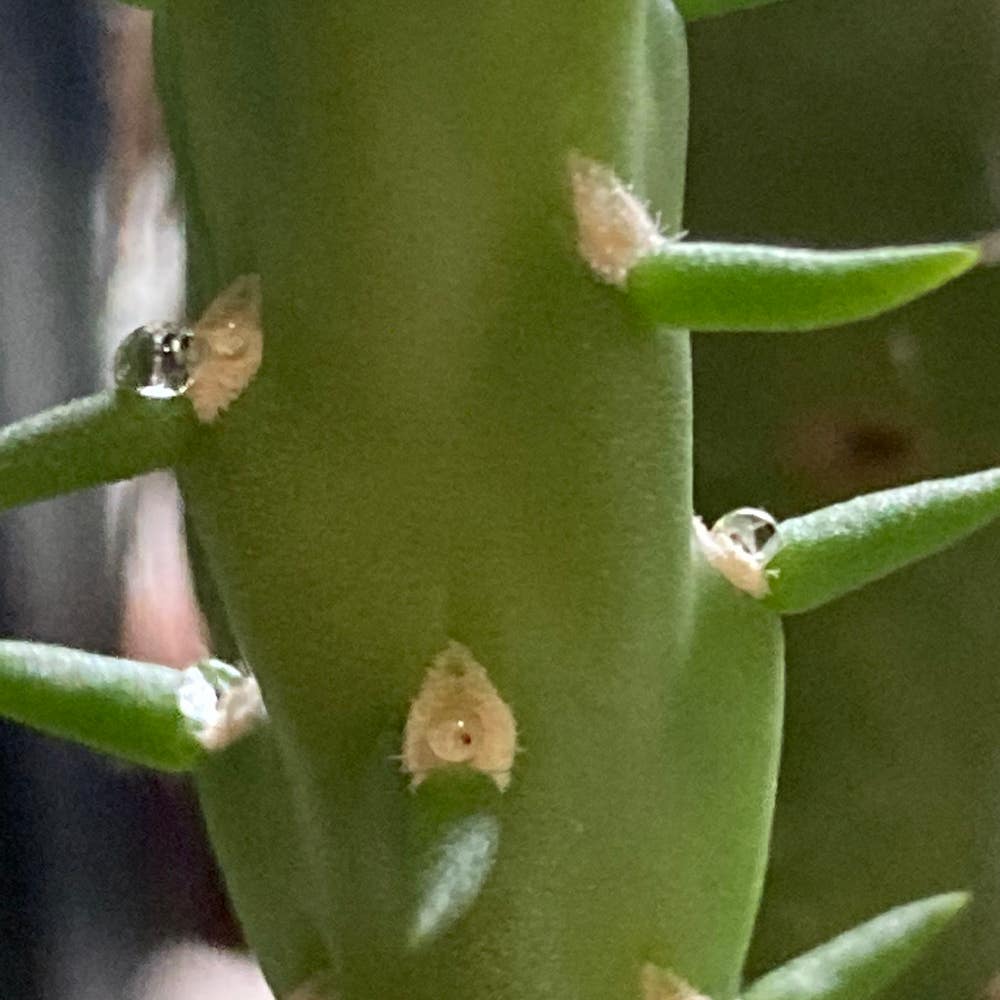
Teddy Bear Cactus: A Perennial Plant
Cylindropuntia fosbergii
By the Greg Editorial Team
Jul 28, 2024•5 min read
This article was created with the help of AI so we can cover more plants for you. May contain errors. See one? Report it here.
- 🌵 Teddy Bear Cactus lives for decades, showcasing its perennial resilience.
- 🛌 Understand growth and dormancy for optimal Teddy Bear Cactus care.
- 🌿 Perennial nature means less replanting, easier maintenance for gardeners.
Perennial Lifespan
Perennial plants are the marathon runners of the flora world, returning year after year from the same root system. The Teddy Bear Cactus stands as a classic example of this endurance, firmly rooted in its classification as a perennial.
This spiky survivor can enjoy a lengthy existence, often spanning several decades. Its longevity is shaped by a cocktail of factors:
- Optimal growing conditions, including plenty of sunlight and well-draining soil.
- Its inherent drought tolerance, minimizing the stress of arid environments.
- The ability to enter dormancy during less favorable seasons, conserving energy for growth spurts.
While some perennials might boast lifespans that reach into the centuries, the Teddy Bear Cactus typically sets its sights on a respectable several-decade timeline. Gardeners can expect this prickly companion to stick around, adding character and resilience to their landscapes year after year.
Growth and Dormancy
Teddy Bear Cactus, known scientifically as Cylindropuntia bigelovii, exhibits fascinating growth patterns that are typical of perennial plants. During its active growth phase, you can expect to see stem elongation, which usually occurs after the end of dormancy.
As the seasons change, the Teddy Bear Cactus prepares for its dormancy period. This is a survival strategy that allows it to conserve resources during less favorable conditions. For the Teddy Bear Cactus, dormancy often occurs in the summer, a time when you should scale back on watering.
- Active Growth Phase:
- Stem elongation post-dormancy.
- Caudex fattening as dormancy approaches.
- Dormancy Period:
- Typically in the summertime.
- Reduced watering schedule recommended.
Understanding these cycles is crucial for anyone looking to cultivate the Teddy Bear Cactus, as it impacts not only the watering schedule but also the plant's overall health and longevity.
Perennial Advantages
The Teddy Bear Cactus stands out with its low-maintenance charm. Its perennial roots dig deep, setting the stage for years of growth without the hassle of annual replanting. Here's why that's a big deal:
- Reduced Replanting: Wave goodbye to the yearly planting routine. Once the Teddy Bear Cactus settles in, it's there to stay, simplifying garden design and care.
- Robust Root Systems: These roots are the unsung heroes, breaking up soil and tapping into deep moisture reserves, which means less watering for you.
🌵 Perennial plants like the Teddy Bear Cactus are the gift that keeps on giving. Their established roots not only support the plant itself but also contribute to a healthier garden ecosystem. They're tough, too, with a resilience that helps them bounce back from environmental stressors. Whether it's a scorching drought or a cold snap, these cacti are built to endure.
So, if you're looking for a garden ally that thrives with minimal fuss, the Teddy Bear Cactus is your go-to. It's not just about survival; it's about thriving with a resilience that's as impressive as it is practical.
Climate Adaptations
Teddy Bear Cactus thrives across diverse climates, a testament to its robust perennial nature. Its ability to adapt is not just about surviving but flourishing in conditions that range from intense heat to occasional cold snaps.
- In hot climates, the cactus conserves water and manages heat stress, ensuring growth despite the scorching sun.
- Cooler zones see the Teddy Bear Cactus slowing its metabolism, a survival trick allowing it to endure lower temperatures.
Environmental factors play a significant role in the cactus's life cycle. Its perennial traits, such as a well-established root system, enable it to bounce back after adverse weather conditions.
- Adequate drainage and soil that mimics its native arid conditions contribute to its resilience.
- Protection from frost and strategic positioning to avoid extreme temperature fluctuations help maintain its perennial vigor.
The Teddy Bear Cactus's adaptability is a remarkable feature of its perennial classification, showcasing a plant that doesn't just endure but adapts to keep growing year after year.
Cultivation Tips
Gardening with perennials like the Teddy Bear Cactus means thinking ahead. Here's how to make the most of this spiky companion's long-term potential.
- Plan for Maturity: Consider the full size the cactus will reach and space accordingly. This avoids overcrowding and reduces the need for future transplants.
- Elevate for Safety and Display: Keep the cactus out of harm's way, especially from children and pets, by placing it on high shelves or in hanging planters.
🌱 Long-Term Soil Health
Maintaining soil health is crucial for the Teddy Bear Cactus's perennial growth.
- Drainage is Key: Ensure pots have adequate drainage holes to prevent root rot.
- Soil Composition: Use a porous soil mix designed for cacti to provide the right balance of aeration and moisture retention.
🐜 Pest and Weather Management
Protect your cactus from pests and extreme weather to ensure its longevity.
- Regular Inspections: Check for pests and treat with organic remedies if necessary.
- Weather Protection: In colder climates, shield your cactus from frost. During extreme heat, provide some shade to prevent scorching.
🌿 Leveraging Perennial Advantages
Embrace the benefits of the Teddy Bear Cactus's perennial nature.
- Less Replanting: With a strong root system, there's no need for annual replanting.
- Resilience: Established plants can better withstand pests and variable weather conditions.
By following these tips, your Teddy Bear Cactus can thrive for years, becoming a cherished part of your garden's landscape.
⚠️ Safety First
This content is for general information and may contain errors, omissions, or outdated details. It is not medical, veterinary advice, or an endorsement of therapeutic claims.
Always consult a qualified healthcare professional before using any plant as food, medicine, or supplement.
Never eat any plant (or feed one to pets) without confirming its identity with at least two trusted sources.
If you suspect poisoning, call Poison Control (800) 222-1222, the Pet Poison Helpline (800) 213-6680, or your local emergency service immediately.
Spotted an error? Please report it here.
Ensure your Teddy Bear Cactus thrives 🌵 with Greg's custom care plans that cater to its unique growth and dormancy cycles, ensuring decades of resilience in your garden.