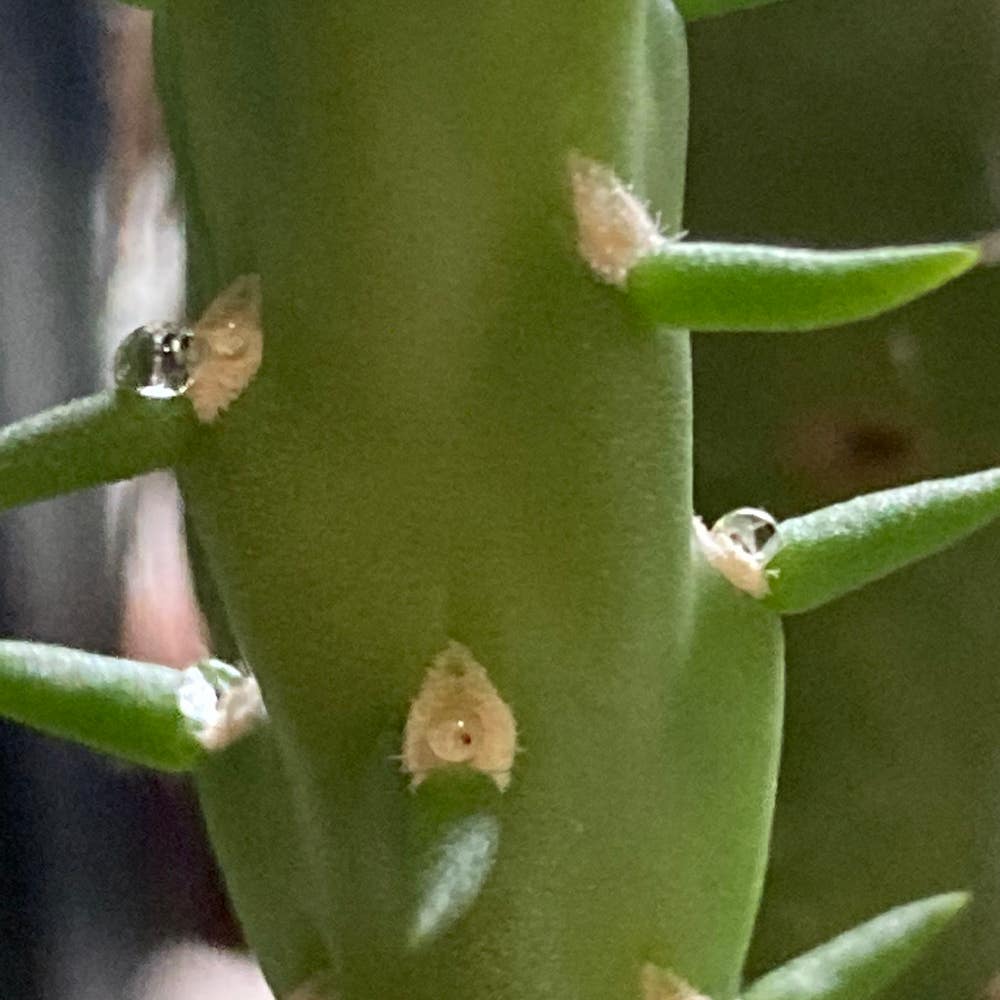
🌵 4 Steps to a Healthy Outdoor Teddy Bear Cactus
Cylindropuntia fosbergii
By the Greg Editorial Team
Jul 28, 2024•5 min read
This article was created with the help of AI so we can cover more plants for you. May contain errors. See one? Report it here.
- 🌞 Full sunlight with seasonal adjustments ensures year-round Teddy Bear Cactus health.
- 💧 Water deeply, adjust for weather to maintain proper moisture levels.
- 🛡️ Protect from extreme weather and pests with strategic planting and vigilance.
Optimal Sunlight
Teddy Bear Cactus, known for its love of the sun, flourishes in environments that mimic its native desert habitat. To achieve optimal growth, aim for a spot that receives full sunlight for the majority of the day. Here's how to get it right:
- Position your cactus in an area that basks in direct sunlight for at least 6 hours daily, with morning sun being particularly beneficial.
- Avoid locations where the plant will be subjected to the intense midday sun, which can lead to sunburn and stress.
🌞 Seasonal Sunlight Adjustments
As the seasons shift, so should your approach to managing sunlight for your Teddy Bear Cactus:
- During the hotter months, provide some afternoon shade to protect the cactus from extreme heat.
- In cooler seasons, maximize sun exposure to compensate for the shorter days and lower sun angles.
- Stay vigilant and adjust the plant's position as needed to ensure it receives the right amount of light year-round without getting scorched.
Effective Watering
Watering your Teddy Bear Cactus correctly is crucial for its survival and growth in an outdoor setting.
- Establish a baseline watering schedule, taking into account the cactus's need for less frequent but thorough watering.
- Ensure pots have drainage holes to prevent water buildup, which can lead to root rot.
🌦️ Tailoring to Weather Patterns
Adjust your watering routine to respond to the current weather conditions and seasonal changes.
- Increase watering during dry, hot periods, typically in the summer months.
- Reduce frequency during cooler seasons or when rain is expected.
- Consider using a moisture meter for precise watering, especially in unpredictable climates.
🌿 Seasonal Watering Adjustments
Seasonal shifts require a flexible approach to watering your outdoor Teddy Bear Cactus.
- In summer, water more frequently to combat the intense heat and evaporation.
- During winter, cut back on watering to prevent the soil from remaining too damp in cooler temperatures.
- Always water in the morning to allow excess moisture to evaporate before nightfall.
Soil and Nutrition
🌱 Soil Mix Selection
Selecting the ideal soil mix is pivotal for the Teddy Bear Cactus's outdoor success. Here's what you need to know:
- Opt for a soil mix that is well-draining and rich in organic matter to ensure proper aeration and moisture retention.
- Aim for a soil pH that is slightly acidic to neutral, between 5.0 and 7.0, to facilitate the best nutrient uptake.
- Consider the local climate and watering schedule when choosing your mix; in drier areas, a mix that retains more moisture may be beneficial.
🌿 Fertilization Schedule
Fertilizing your Teddy Bear Cactus is all about timing and balance. Keep these tips in mind:
- Use organic fertilizers like compost, bone meal, or kelp meal to enrich the soil and provide a slow release of nutrients.
- Fertilize during the growing season; monthly applications are typically sufficient.
- Avoid fertilizing in the winter to respect the plant's natural rest period and prevent nutrient overload.
Planting Decisions
Choosing the right planting method for your Teddy Bear Cactus is crucial for its outdoor success. Let's explore the perks and points to ponder for both container and in-ground planting.
🌵 Container Planting
- Advantages:
- Flexibility to move the plant for optimal sunlight exposure.
- Enhanced control over soil quality and drainage.
- Easier to protect from extreme weather by moving indoors or to sheltered areas.
- Considerations:
- Requires more frequent watering due to limited soil volume.
- Pot material and size must be chosen carefully to accommodate growth and ensure proper moisture levels.
🌳 In-Ground Planting
- Benefits:
- Allows for natural root expansion, promoting a healthier and more stable plant.
- Typically requires less frequent watering as the ground retains moisture better.
- Integrates the cactus into the landscape, creating a natural desert aesthetic.
- Potential Challenges:
- More susceptible to weather extremes, requiring strategic placement and possible ground cover.
- Soil quality and drainage must be assessed and potentially amended to suit the cactus's needs.
Weather and Seasonal Defense
🌪️ Extreme Weather Protection
Teddy Bear Cacti are hardy, but they're not invincible against Mother Nature's mood swings. Here's how to shield them from the extremes:
- Frost: When the thermometer dips, wrap your cactus in burlap or frost cloth. Mulch can also act as a cozy blanket for the roots.
- Heatwaves: During scorchers, shade cloths are the cactus's best friend, preventing sunburn and heat stress.
- Excessive Rain: Ensure good drainage to avoid root rot, and consider temporary covers to keep the downpour at bay.
🌦️ Seasonal Adjustments
As seasons turn, your cactus care should pivot accordingly:
- Spring and Summer: More water to quench thirst during growth spurts, but always check the soil before watering.
- Fall and Winter: Ease up on watering. The cactus is chilling out, and too much H2O can lead to a cold and soggy demise.
- Climate Zones: Tailor these tips to your zone. USDA zones 9 may need extra frost protection, while zones 10-11 enjoy a more cactus-friendly climate.
Pest and Disease Management
🐜 Identifying Outdoor Threats
Outdoor Teddy Bear Cacti can face a slew of uninvited guests, from sap-sucking insects to fungal foes. Keep an eye out for these usual suspects:
- Mealybugs and scale insects, which leave sticky residues and cause stunted growth.
- Spider mites, notorious for webbing and yellowing leaves.
- Fungal infections like root rot, often due to overwatering or poor drainage.
Regular check-ups are your first line of defense. Inspect your cactus for any unusual signs, and don't forget to peek under those spines!
🛡️ Prevention and Treatment
Preventing pest invasions and disease outbreaks is about fostering an inhospitable environment for them. Here's how to fortify your cactus:
- Encourage natural predators like ladybugs to keep pest populations down.
- Use organic pesticides as a last resort, and always spot-test first.
- Ensure proper watering and drainage to avoid fungal diseases.
If pests or diseases do strike, act swiftly with targeted treatments. Prune away affected areas with sterilized tools, and consider environmentally friendly options like neem oil for pest control. Remember, a healthy cactus is a resilient cactus.
⚠️ Safety First
This content is for general information and may contain errors, omissions, or outdated details. It is not medical, veterinary advice, or an endorsement of therapeutic claims.
Always consult a qualified healthcare professional before using any plant as food, medicine, or supplement.
Never eat any plant (or feed one to pets) without confirming its identity with at least two trusted sources.
If you suspect poisoning, call Poison Control (800) 222-1222, the Pet Poison Helpline (800) 213-6680, or your local emergency service immediately.
Spotted an error? Please report it here.
Ensure your Teddy Bear Cactus thrives in every season 🌞🌨 with Greg's custom care plan, adapting watering and sun exposure reminders to your local weather patterns.